
Understanding Flow Cytometers
Flow cytometers are essential instruments in biological research, clinical diagnostics, and biotech laboratories. They allow scientists to analyze individual cells or particles based on physical and chemical properties, supporting high-throughput, multiparameter cell analysis.
From immunology and oncology to cell therapy and pharmaceutical research, flow cytometers enable rapid, reliable data collection critical for modern life science and medical workflows.
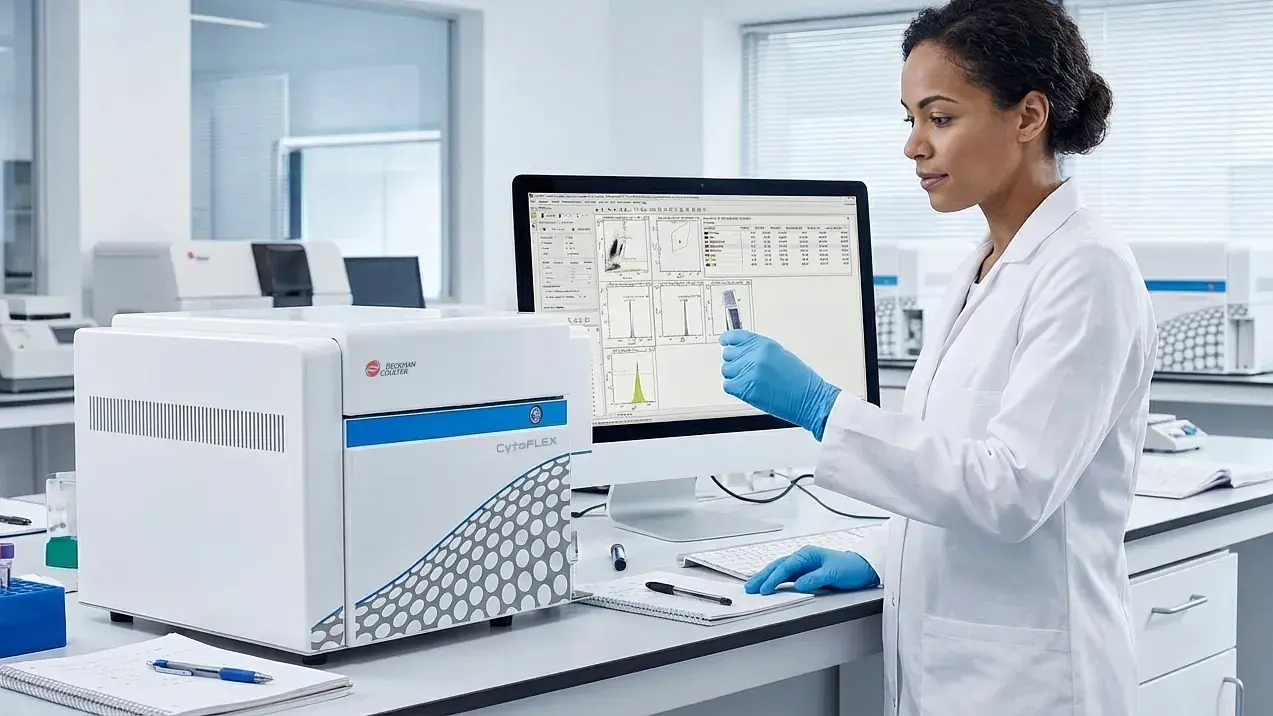
How Flow Cytometry Works
Flow cytometry analyzes individual cells or particles as they flow through a laser beam. Cells are often labeled with fluorescent antibodies to detect specific markers.
As cells pass through the laser:
- Forward scatter (FSC): indicates cell size
- Side scatter (SSC): measures internal complexity
- Fluorescence detectors: quantify protein expression and cellular markers
This allows high-throughput, multiparameter analysis of thousands of cells per second for:
- Clinical diagnostics like immunophenotyping
- Biotech and pharmaceutical research such as drug discovery
- Academic research in cell biology and immunology
Modern flow cytometers often include automation and data analysis software, ensuring efficient, reproducible, and regulatory-compliant results.
Common Applications of Flow Cytometers
Flow cytometers are used across clinical, biotech, and research laboratories to provide rapid, multiparameter cell analysis. Common applications include:
- Clinical laboratories: immunophenotyping, leukemia/lymphoma analysis, transplant monitoring
- Biotech and pharmaceutical research: drug discovery, cell signaling studies, assay development
- Academic research: basic immunology, cell biology, and functional studies
These instruments are also critical for quality control, regulatory compliance, and reproducible data collection, supporting FDA, GMP, and ISO standards.
Types of Flow Cytometers
Flow cytometers come in various configurations:
- Basic systems for cell counting and viability
- Multicolor flow cytometers for complex experiments
- High-throughput instruments for screening applications
- Imaging flow cytometers that combine microscopy with traditional flow analysis
Common Flow Cytometer Brands and Models Used in Laboratories
Leading manufacturers provide flow cytometers for clinical, research, and biotech labs, with system choice based on throughput, detection complexity, and application needs.
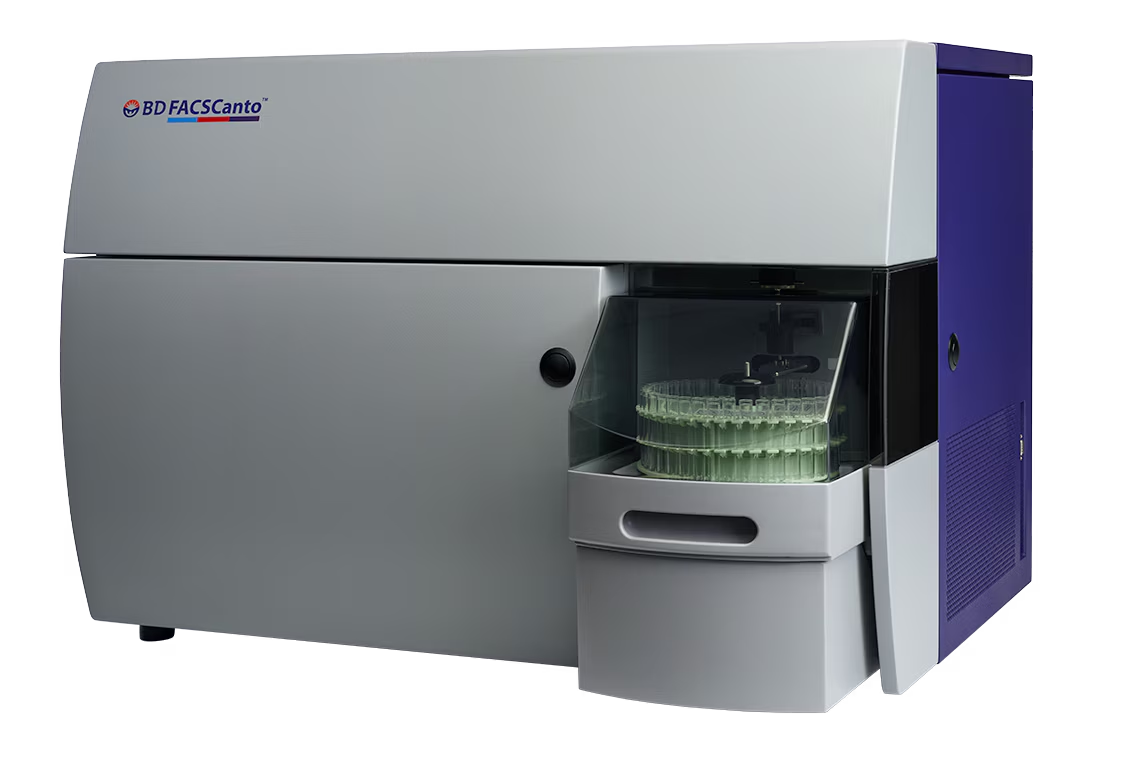
- BD Biosciences: FACSVerse, FACSMicroCount, Accuri C6 – widely used for clinical flow cytometry, immunophenotyping, and pharmaceutical research
- Beckman Coulter: CytoFLEX, Gallios, Navios – common in hospital labs and diagnostic settings, supporting hematology and immune profiling
- Sony Biotechnology: SA3800, MA900 – selected for advanced multicolor analysis and high-resolution cell characterization
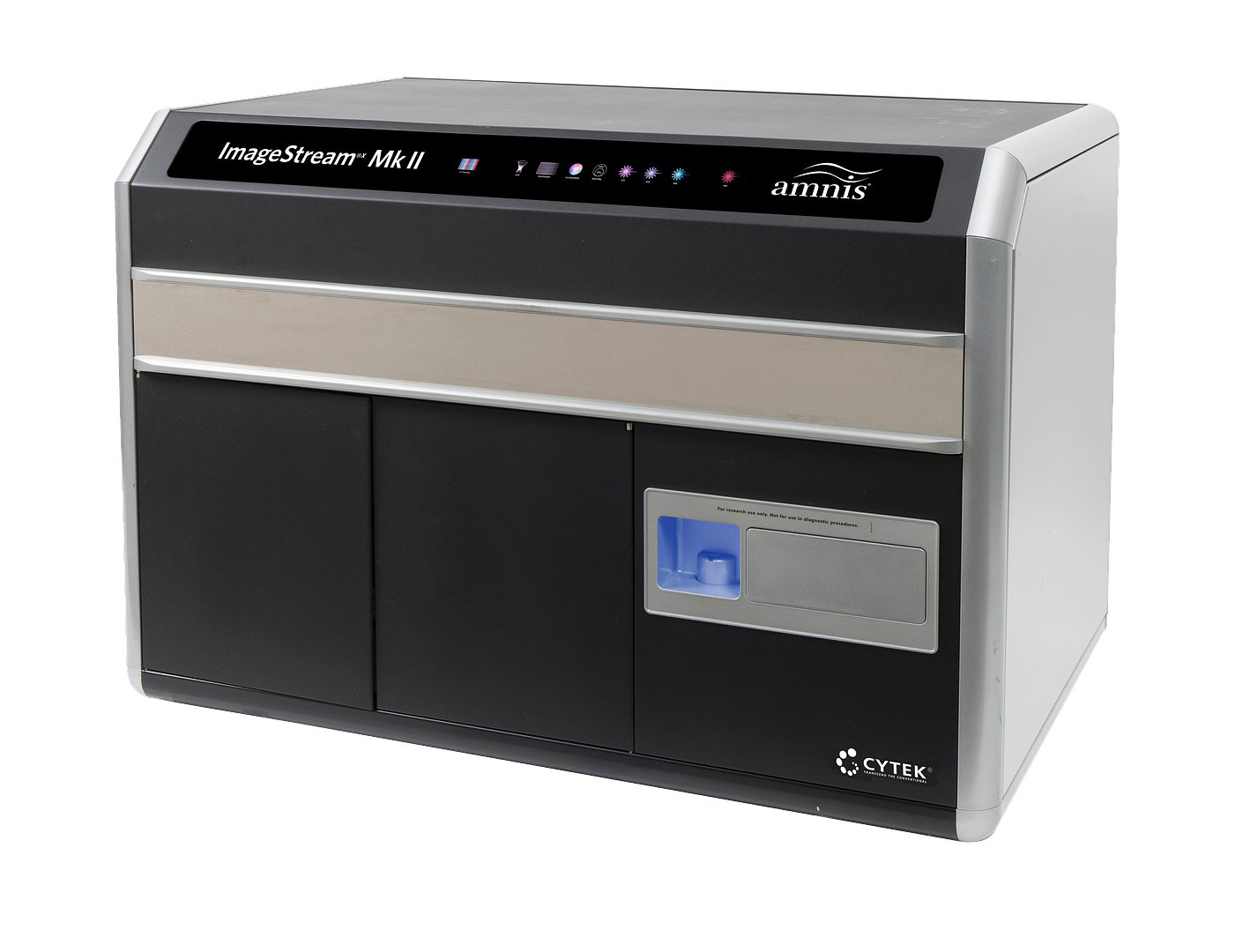
- Amnis: ImageStream X Mark II – used in biotech and academic labs for routine cell analysis and assay development
- Thermo Fisher Scientific: Attune NxT – supports high-throughput workflows in drug discovery and life science research
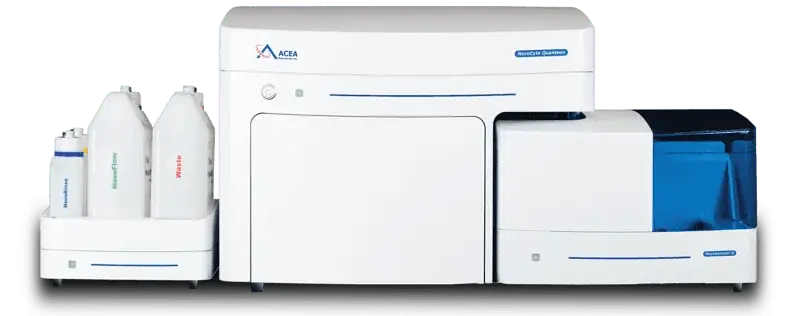
- Other specialized brands: Intellicyt iQue, Stratedigm, Cytek Biosciences – spectral flow cytometry, automation, and advanced research applications
Why Flow Cytometers Are Critical in Labs
Flow cytometers provide speed, precision, and reproducibility, enabling laboratories to analyze large populations of cells quickly and consistently. They are essential for:
- Time-sensitive clinical diagnostics
- High-throughput drug discovery and screening
- Research requiring multiparameter cell analysis
- Maintaining data quality and reproducibility
Modern flow cytometers also integrate automation, data management, and regulatory compliance, making them indispensable in regulated medical and biotech environments.
Ready to Monitor Your Cell Populations?
Flow cytometry is essential for accurate, high-throughput cell analysis in medical and research labs. Explore our resources and learn how to select or integrate flow cytometers that meet your laboratory’s workflow, throughput, and compliance requirements. Visit our website to get started.
Start Saving with ReBio Today
Ready to equip your lab with reliable instruments without breaking the budget? Explore ReBio’s wide selection of refurbished lab equipment today and see how much your lab can save. Don’t wait—get the tools you need to advance your research while staying cost-effective and sustainable.
info@rebio.com