
Why CO2 Incubators Are Essential in Modern Labs
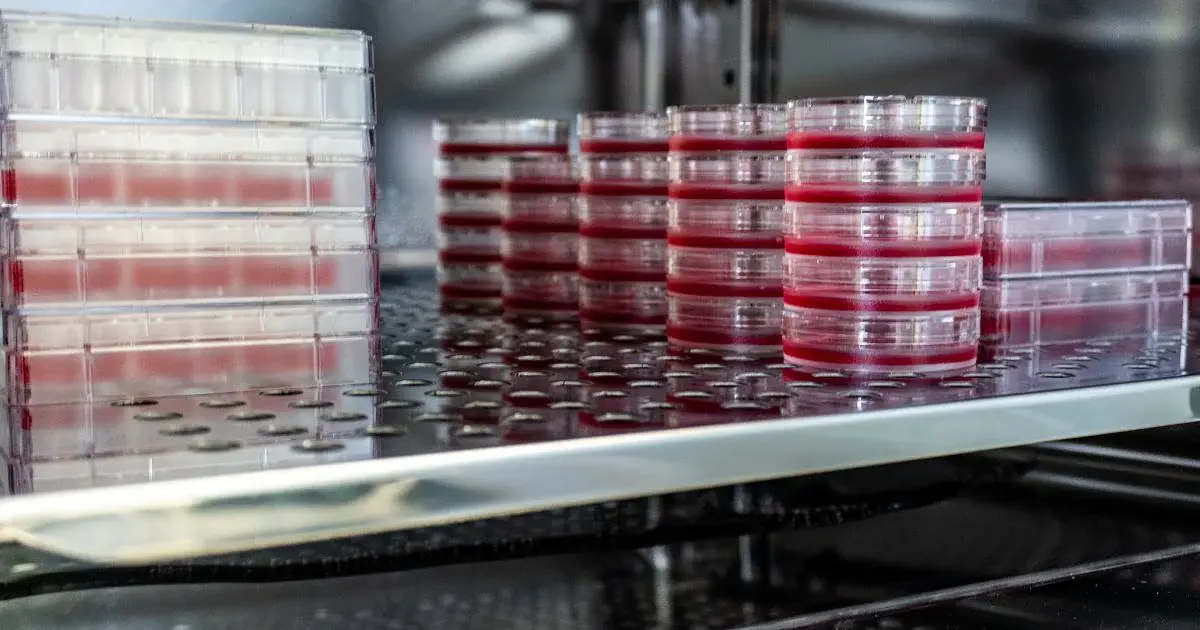
A CO2 incubator is one of the most important systems in any cell culture laboratory, biotech facility, pharmaceutical lab, or life science research environment. These systems create stable temperature, humidity, and CO2 conditions required for mammalian cell culture, stem cell research, tissue engineering, and microbiology applications.
Whether supporting routine cell cultivation, bioprocess development, or high-throughput research workflows, choosing the right laboratory CO2 incubator directly impacts culture viability, reproducibility, and contamination control.
Types of CO2 Incubators for Different Lab Workflows
Choosing the right CO2 incubator begins with understanding the different styles and features available. Labs typically select incubators based on chamber size, throughput, contamination control, and workflow requirements.
Reach-In CO2 Incubators
Reach-in CO2 incubators are designed for high-capacity workflows and large-scale cell culture applications. These systems provide ample chamber space for multiple flasks, plates, or bioprocess vessels, making them ideal for biopharma production labs, cell therapy facilities, and GMP environments.
- Caron 7400-33 Reach-In CO2 Incubator – With a 33 cu. ft. (934L) chamber, the Caron supports high-volume mammalian cell culture, multi-layer flasks, and scale-up workflows. Its precise temperature and CO2 control and optional H2O2 sterilization cycle ensure consistent results in demanding environments.
Bench-Top / Mid-Capacity CO2 Incubators
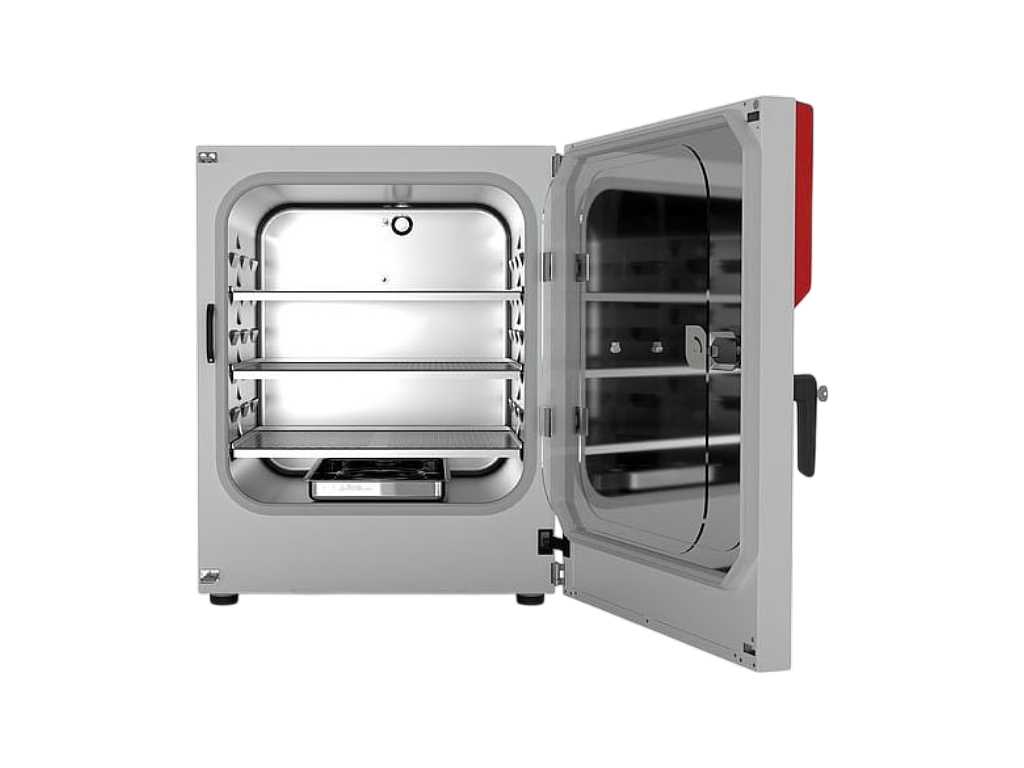
Bench-top or mid-capacity incubators are ideal for routine research, pharmaceutical QC labs, and university biotech labs. These systems offer a balance of footprint and chamber size, supporting standard cell culture, stem cell research, and nucleic acid workflows.
- Binder C 170-UL CO2 Incubator (170L) – This system delivers stable CO2 and temperature conditions with infrared CO2 sensor technology and a hot-air sterilization cycle, making it well-suited for stem cell culture, primary cell lines, and routine QC workflows. Its 168–170L chamber provides sufficient space without taking over valuable lab bench area.
Specialized CO2 Incubators
Specialized incubators often integrate advanced features for clinical labs or sensitive cell culture applications, such as automated monitoring, simplified operation, or integrated sterilization protocols.
- Shel Lab CO2 Incubator with SCI ERA Cell – Popular in clinical and general research laboratories, this incubator emphasizes reliability, ease of use, and consistent CO2 and temperature control. It supports daily cell culture workflows and is particularly attractive for labs seeking dependable performance with minimal maintenance.
By understanding the different CO2 incubator types—reach-in, bench-top/mid-capacity, and specialized systems—labs can better match their workflow requirements, sample throughput, and contamination control needs while selecting from top-performing models like Caron, Binder, and Shel Lab.
Which CO2 Incubator Is Best for Your Workflow?
The best CO2 incubator for cell culture depends on your lab’s throughput requirements, available space, sterility standards, and the sensitivity of the cell lines being maintained. Factors such as chamber capacity, recovery time, humidity control, sterilization method, and CO2 sensor stability all play an important role in selecting the right system.
For example:
- Caron 7400-33 → best for large-scale production, cell therapy, and high-volume bioprocess workflows
- Binder C 170-UL → ideal for routine research, QC, stem cell work, and pharmaceutical labs
- Shel Lab + SCI ERA Cell → strong fit for general laboratory cell culture, clinical labs, and daily research use
Labs working with sensitive mammalian cell cultures or long-duration incubations may prioritize systems with advanced contamination control and highly stable environmental recovery. Conversely, labs focused on routine tissue culture and everyday research workflows may benefit from mid-capacity units with reliable operation and minimal footprint.
Choosing the right laboratory CO2 incubator ultimately comes down to aligning the incubator’s size and performance capabilities with your specific workflow, whether that means scaling production, supporting regulated research, or maintaining standard cell culture operations.
Why Secondary Market Demand Remains Strong
The secondary market for used CO2 incubators continues to grow as biotech labs and research facilities seek cost-effective laboratory equipment without sacrificing performance.
Demand remains especially strong for Caron, Binder, and Shel Lab CO2 incubators because these systems support established cell culture workflows, validated SOPs, and contamination-controlled environments.
For many labs, purchasing a used or refurbished CO2 incubator provides significant savings while maintaining proven performance. This makes the secondary market for biotech lab equipment an attractive option for biotech startups, CROs, university labs, and QC labs.
Why Labs Continue to Invest in CO2 Incubators
Reliable CO2 incubators for cell culture remain foundational to modern biotech and life science operations. Whether scaling production, supporting research, or replacing aging equipment, systems like the Caron 7400-33, Binder C 170-UL, and Shel Lab CO2 Incubator continue to be strong choices across the secondary market.
Ready to equip your lab with reliable instruments without breaking the budget? Explore ReBio’s wide selection of refurbished lab equipment today and see how much your lab can save. Don’t wait—get the tools you need to advance your research while staying cost-effective and sustainable.
info@rebio.com