
The Waters AutoPurification System is a scalable platform designed for laboratories that need automated compound purification, high-throughput workflows, and reliable analytical results. For buyers evaluating LC-MS purification systems, this platform becomes significantly more powerful when paired with key add-ons like UPLC systems, mass detectors, PDA detectors, and purification software.
By integrating the right components, labs can transform a standalone purification unit into a complete LC-MS purification suite capable of handling drug discovery, synthetic chemistry, peptide purification, and analytical workflows with speed and precision.
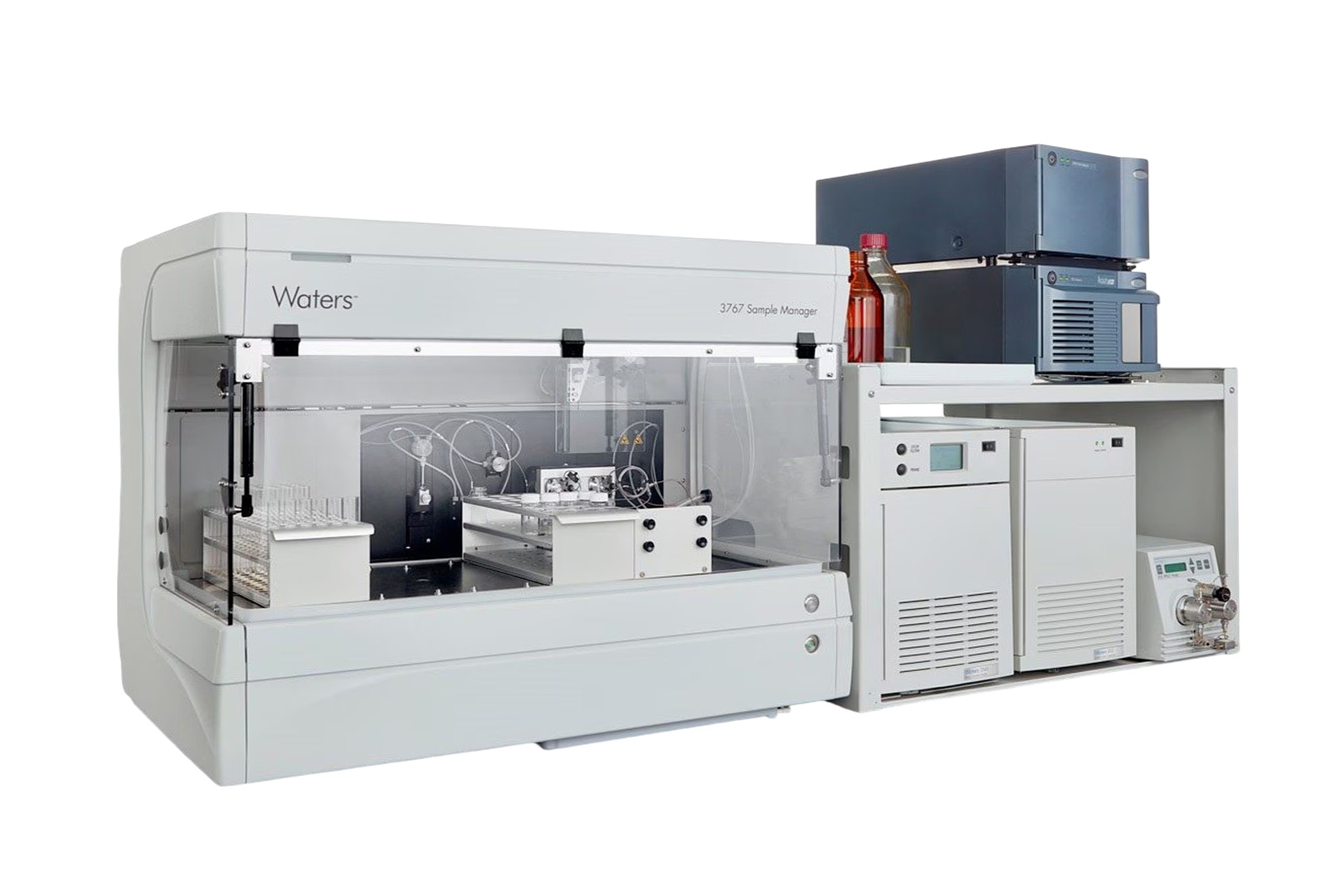
Start with the Core: Waters AutoPurification System
At its foundation, the Waters AutoPurification System is built for automated fraction collection and preparative purification. It enables labs to isolate compounds from complex mixtures with minimal manual intervention, making it ideal for medicinal chemistry labs, pharmaceutical R&D, and biotech facilities.
For buyers, this system offers a strong starting point for scalable purification workflows. However, to fully maximize performance and expand capabilities, additional modules are typically required.
- Automated fraction collection and compound isolation
- Supports analytical and preparative-scale purification
- Ideal for drug discovery and synthetic chemistry labs
- Designed for high-throughput purification workflows
Upgrade Separation with ACQUITY UPLC H-Class PLUS
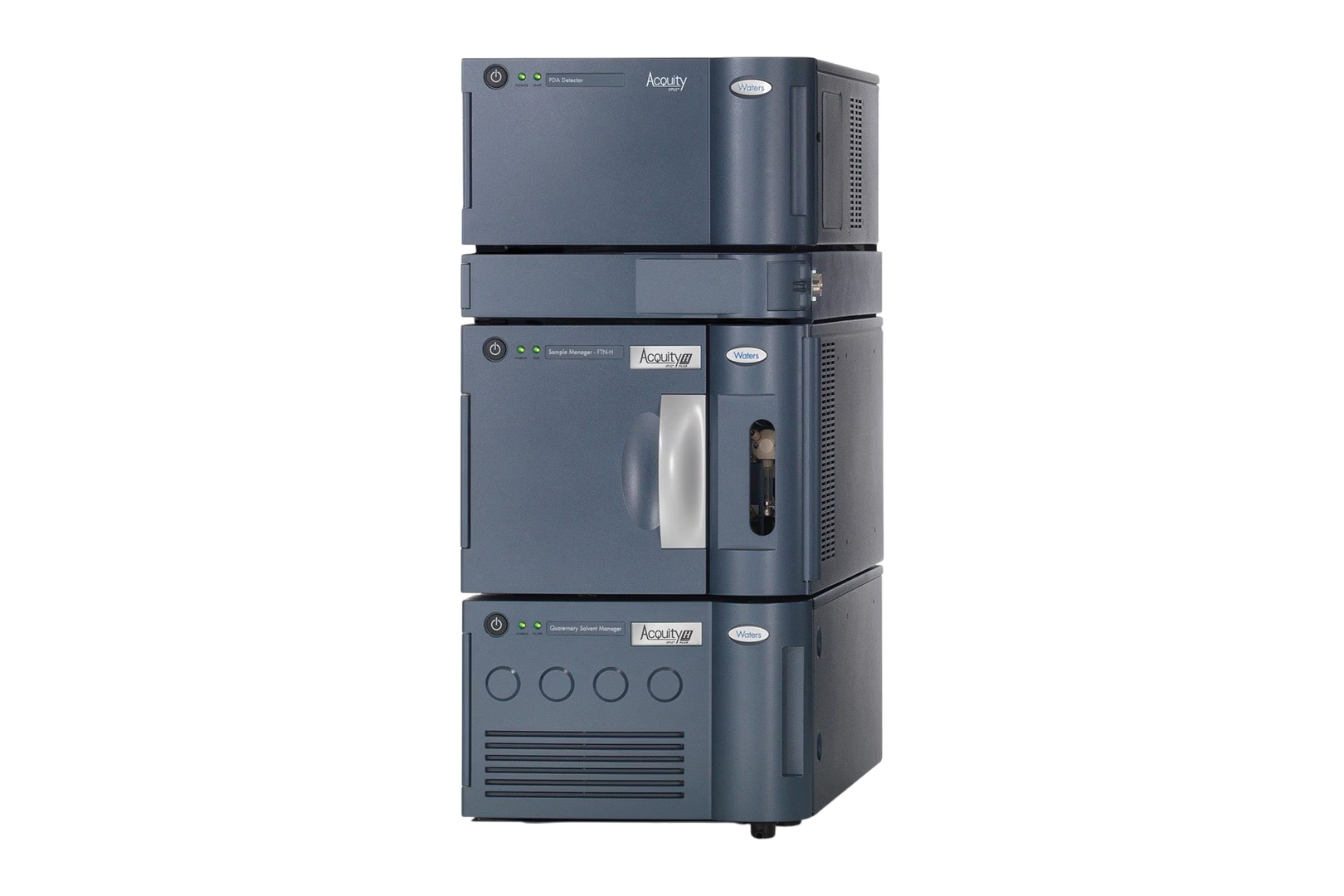
Adding the Waters ACQUITY UPLC H-Class PLUS enhances the system with ultra-high performance liquid chromatography (UPLC), delivering faster run times, sharper peak resolution, and improved sensitivity compared to traditional HPLC systems.
For labs handling complex compounds, small molecules, or biomolecules, UPLC significantly improves purification accuracy and throughput. Buyers looking to increase efficiency and reduce run times will benefit from integrating UPLC into their purification workflow.
- Faster run times and increased sample throughput
- Higher resolution separations for complex mixtures
- Improved sensitivity and peak clarity
- Ideal for biopharma and high-precision analytical workflows
Add Mass-Directed Purification with QDa Detector
The Waters QDa mass detector enables mass-directed purification, allowing fractions to be collected based on confirmed molecular weight rather than retention time alone. This adds a critical layer of confidence during purification, especially when working with complex mixtures where co-eluting compounds may appear similar in a chromatogram.
By integrating mass detection directly into the purification workflow, labs can identify target compounds in real time and trigger fraction collection with precision. This reduces the need for secondary analysis, minimizes rework, and ensures that the correct fractions are collected on the first pass. For high-throughput environments, this translates directly into time savings, improved yield, and more efficient use of resources.
For buyers in pharmaceutical development, medicinal chemistry, and analytical labs, mass-directed purification is a key feature that improves both accuracy and overall workflow reliability.
- Real-time mass confirmation during purification
- Enables mass-triggered fraction collection
- Reduces errors and need for reprocessing
- Critical for drug discovery and analytical labs
Improve Detection with PDA (Photodiode Array)
A PDA (Photodiode Array) detector enhances the system by providing UV/Vis spectral data across multiple wavelengths, allowing for more detailed compound analysis during purification. Unlike single-wavelength UV detectors, a PDA captures full spectral information, which helps identify compounds based on their absorbance profiles and detect impurities that may otherwise go unnoticed.
This is particularly valuable in workflows involving complex mixtures, unknown compounds, or compounds with weak ionization in mass spectrometry. By combining PDA detection with mass detection, labs gain a more complete analytical picture, improving confidence in both compound identity and purity.
For buyers, this dual-detection approach increases system versatility, making it suitable for a wider range of analytical chemistry, pharmaceutical, and quality control applications.
- Multi-wavelength UV/Vis detection and analysis
- Supports compound purity verification
- Complements mass detection for dual confirmation
- Useful in analytical chemistry and QC workflows
Automate the Workflow with FractionLynx Software
Waters FractionLynx software enables full automation of the purification process, allowing laboratories to move from manual operation to method-driven, high-throughput workflows. Users can program purification methods, define fraction collection parameters, and trigger collection based on UV absorbance or mass detection signals, ensuring consistent and accurate results across runs.
Automation with FractionLynx not only reduces operator involvement but also improves reproducibility and scalability, which are critical in both research and production environments. Labs can queue multiple samples, run them sequentially, and collect fractions automatically, significantly increasing throughput while minimizing human error.
For buyers, this level of automation translates into lower labor costs, faster turnaround times, and more efficient use of instrumentation, making it a key component in any modern LC-MS purification system.
- Fully automated purification workflows
- Supports mass- and UV-triggered fraction collection
- Increases throughput and reproducibility
- Reduces labor costs and manual handling
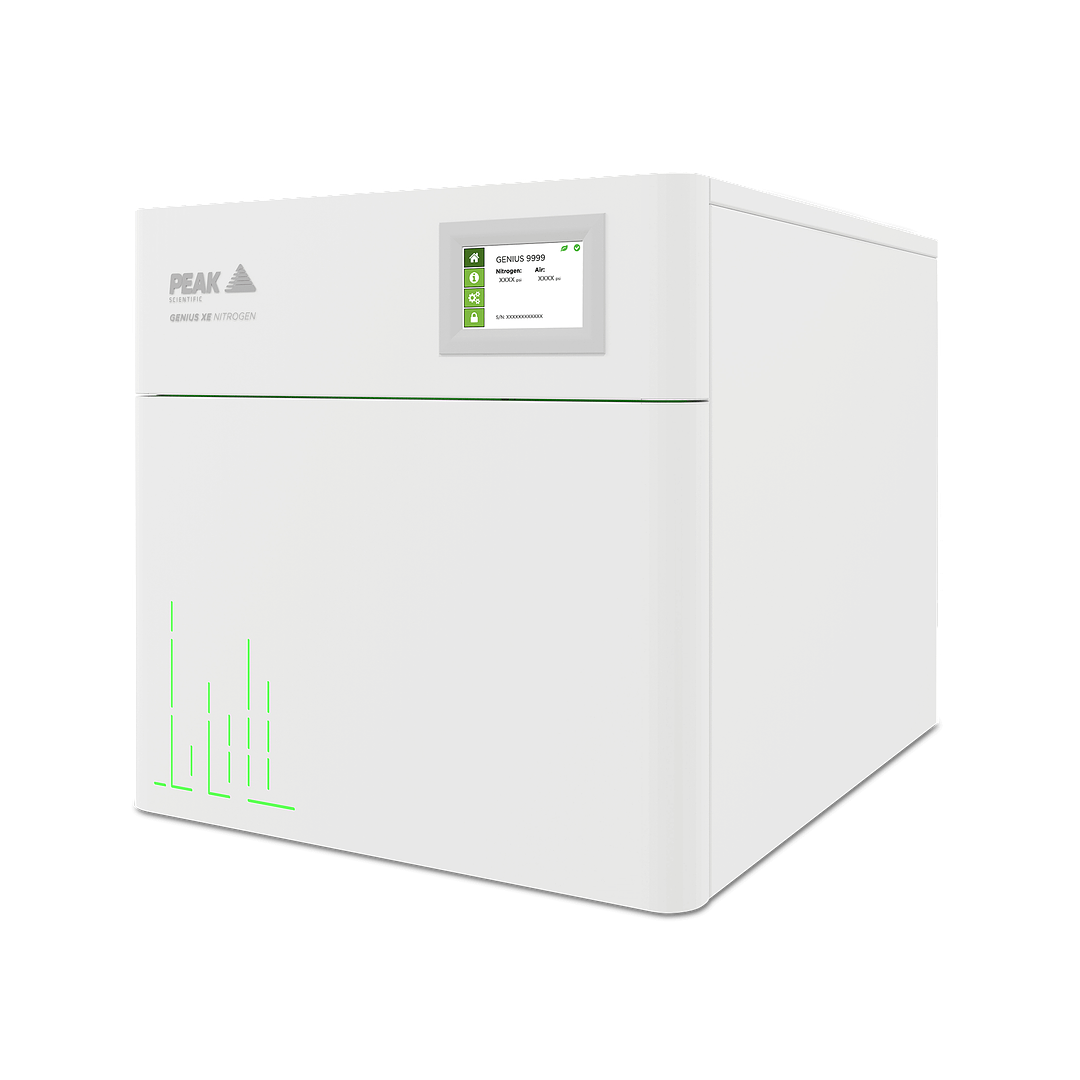
Eliminate Gas Dependencies with Nitrogen Generators
Mass spectrometry systems require a consistent nitrogen supply. Integrating nitrogen generators removes the need for external gas cylinders, providing a continuous, on-demand source of nitrogen for the QDa detector.
For buyers, this reduces operating costs, improves lab safety, and eliminates downtime associated with gas cylinder replacement. It also makes the entire LC-MS purification system more self-contained and easier to manage.
- Continuous on-demand nitrogen supply
- Eliminates need for gas cylinders and deliveries
- Reduces operational costs and downtime
- Improves lab safety and convenience
Why Build a Complete LC-MS Purification Suite?
By combining the Waters AutoPurification System with UPLC, QDa, PDA, FractionLynx, and nitrogen generation, laboratories create a fully integrated LC-MS purification workflow that delivers both analytical and preparative capabilities.
This complete setup allows labs to:
- Perform high-resolution separation and purification in one system
- Use mass-directed fraction collection for accuracy
- Increase throughput with automated purification workflows
- Reduce manual handling and operational inefficiencies
For buyers, this means a single system that supports compound identification, separation, and purification, reducing the need for multiple standalone instruments.
A Smart Investment for High-Throughput Labs
For laboratories involved in pharmaceutical development, biotechnology research, and analytical chemistry, building a complete Waters LC-MS purification suite is a strategic investment. Instead of purchasing separate systems, integrating these components creates a unified platform that improves workflow efficiency and data reliability.
Buyers searching for used Waters UPLC systems, LC-MS purification systems, or refurbished analytical equipment will find this configuration offers a strong balance of performance, scalability, and cost-effectiveness.
Ready to equip your lab with reliable instruments without breaking the budget? Explore ReBio’s wide selection of refurbished lab equipment today and see how much your lab can save. Don’t wait—get the tools you need to advance your research while staying cost-effective and sustainable.
info@rebio.com