
Sterile tube welders are essential for maintaining closed-system fluid transfer in biopharmaceutical manufacturing, cell therapy, blood processing, and laboratory workflows. These systems allow operators to aseptically connect thermoplastic tubing without exposing contents to the external environment, reducing contamination risk and ensuring compliance with GMP and sterile processing standards.
For buyers evaluating sterile tubing welders, selecting the right system depends on tubing compatibility, throughput, ease of use, and application requirements. From blood bank operations to large-scale bioprocessing, the right welder can significantly improve workflow efficiency and product safety.
What Is a Sterile Tube Welder?
A sterile tube welder is a device used to join two pieces of thermoplastic tubing (typically PVC or similar materials) while maintaining a sterile pathway. The system uses heat and pressure to fuse tubing ends together, creating a seamless connection that preserves sterility.
These systems are widely used in:
- Blood banks and transfusion services
- Cell therapy and stem cell processing labs
- Biopharmaceutical manufacturing and upstream/downstream processing
- Aseptic fluid transfer and media handling workflows
By eliminating open handling, sterile tube welders help labs maintain closed-system processing, which is critical for both regulatory compliance and product integrity.
Key Features Buyers Should Consider
When selecting a sterile tubing welder, buyers should evaluate performance, compatibility, and operational efficiency. Not all systems are designed for the same scale or application.
- Tubing compatibility: PVC, EVA, C-Flex, and other materials
- Weld strength and consistency: Critical for sterile integrity
- Ease of use: Touchscreen interfaces, guided workflows
- Cycle time and throughput: Important for high-volume labs
- Portability vs. benchtop systems: Based on facility setup
For high-throughput or regulated environments, investing in a reliable, widely supported system is essential for long-term performance.
Popular Sterile Tube Welders Used in Laboratories
Several manufacturers offer industry-standard sterile tube welding systems designed for different applications. Below are some of the most widely used models in biotech, blood processing, and pharmaceutical environments.
Terumo TSCD-II Sterile Tubing Welder
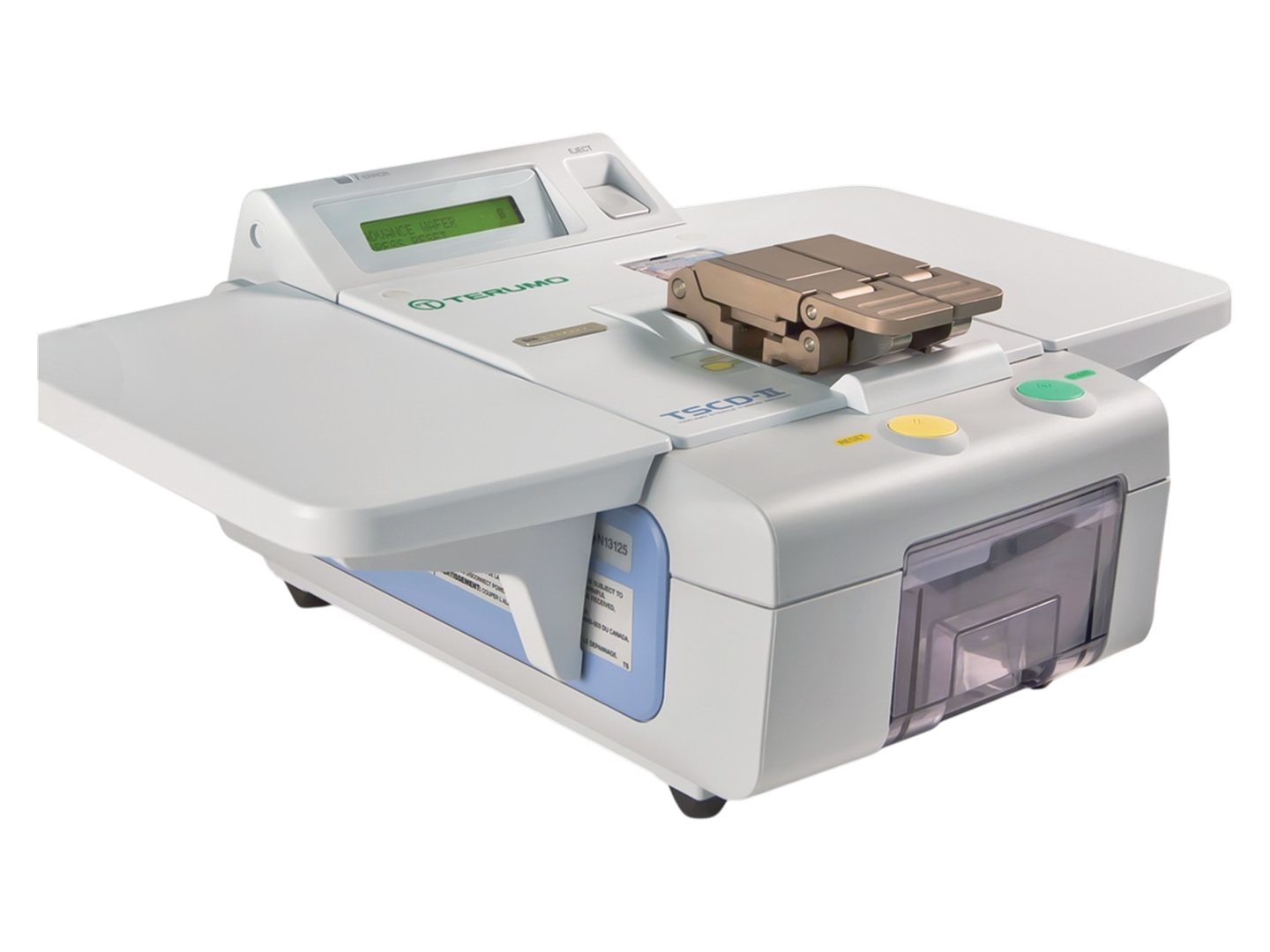
The Terumo TSCD-II Sterile Tubing Welder is one of the most widely recognized systems in blood banking and clinical environments. It is designed for high-speed, reliable sterile connections and is commonly used in transfusion services and plasma processing.
This system is valued for its consistent weld quality, ease of operation, and portability, making it ideal for labs that require frequent tubing connections throughout the day.
- Designed for blood processing and transfusion workflows
- Fast, consistent sterile weld cycles
- Portable and easy to integrate into existing workflows
- Proven reliability in regulated environments
Terumo SCD IIB Sterile Tube Welder
The Terumo SCD IIB Sterile Tube Welder is another widely used system, particularly known for its durability and compatibility with a range of tubing sizes. It is commonly found in blood centers, research labs, and clinical processing facilities.
This model provides dependable performance for labs that require repeatable sterile connections with minimal operator variability.
- Supports various tubing sizes and configurations
- Reliable for routine sterile welding applications
- Commonly used in clinical and research settings
- Strong track record in regulated lab environments
Sartorius Biowelder Sterile Tube Welder 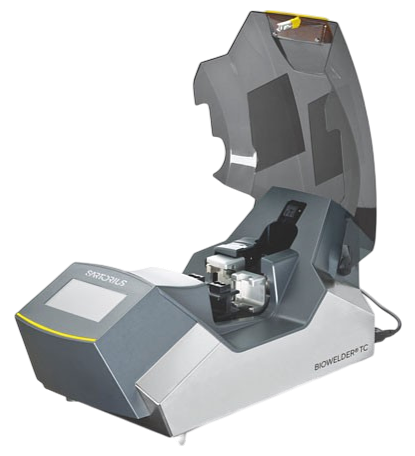
The Sartorius Biowelder is designed for biopharmaceutical and cell therapy applications, where maintaining a closed sterile system is critical. It supports a broader range of tubing materials beyond standard PVC, making it ideal for single-use bioprocessing systems.
This system is commonly used in GMP manufacturing environments, offering advanced features for precision welding and process consistency.
- Compatible with C-Flex, silicone, and other bioprocess tubing
- Ideal for cell therapy and biopharma workflows
- Designed for closed-system sterile processing
- Supports GMP-compliant operation
Other Popular Sterile Tube Welders
In addition to Terumo and Sartorius, several other systems are used across the industry depending on application and scale.
Examples include:
- GE (Cytiva) sterile connection devices used in bioprocessing workflows
- BioWelder TC systems for single-use tubing applications
- Portable sterile welders for flexible lab environments
These systems are often selected based on specific tubing requirements, automation needs, and integration with existing bioprocess equipment.
Choosing the Right Sterile Tube Welder for Your Lab
Selecting the right sterile tubing welder depends on your application and operational scale. Labs focused on blood processing often choose Terumo systems for their reliability and ease of use, while biopharmaceutical and cell therapy labs may require systems like the Sartorius Biowelder for compatibility with advanced tubing materials.
Buyers should also consider:
- Daily weld volume and throughput requirements
- Type of fluids being transferred (blood, media, biologics)
- Integration with existing single-use systems
- Long-term maintenance and support availability
Choosing a system that aligns with both current workflows and future scalability is key to maximizing return on investment.
Why Sterile Tube Welders Are Critical for Modern Labs
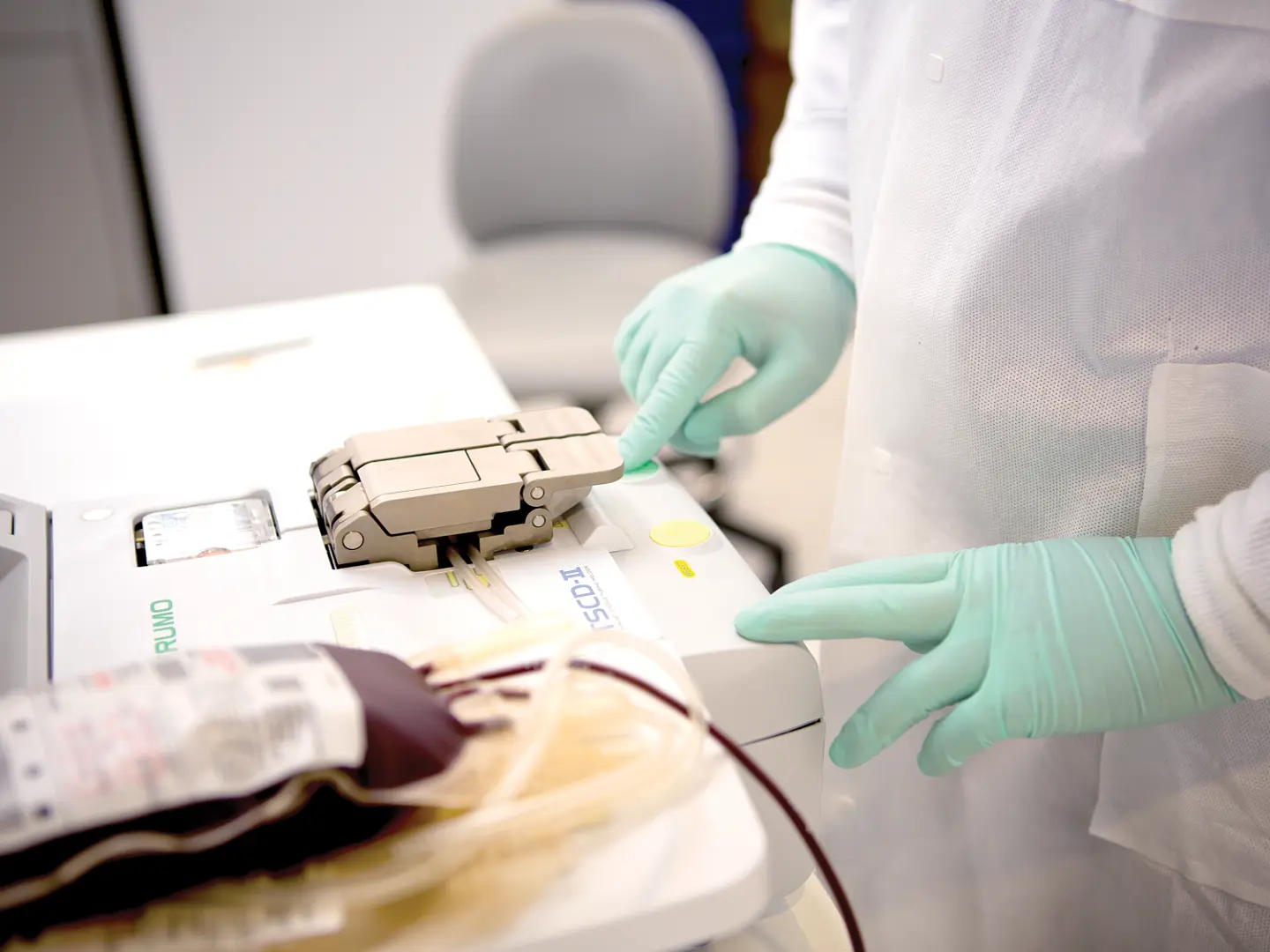
As laboratories move toward closed-system processing and single-use technologies, sterile tube welders have become a core piece of equipment. They enable safe, contamination-free connections while improving efficiency and reducing manual handling risks.
For buyers, investing in a high-quality sterile tube welder ensures:
- Improved sterility and compliance
- Reduced contamination risk
- Faster and more efficient workflows
- Compatibility with modern bioprocessing systems
Ready to equip your lab with reliable instruments without breaking the budget? Explore ReBio’s wide selection of refurbished lab equipment today and see how much your lab can save. Don’t wait—get the tools you need to advance your research while staying cost-effective and sustainable.
info@rebio.com