
Cryogenic storage systems are essential for the long-term preservation of biological samples, cell cultures, stem cells, vaccines, plasma, DNA, RNA, reproductive materials, and pharmaceutical products. By maintaining extremely low temperatures—typically using liquid nitrogen storage systems—these units protect sensitive materials from degradation and ensure long-term viability.
For buyers searching for used cryogenic storage systems, liquid nitrogen freezers, cryogenic vessels, or LN2 storage containers, understanding the different storage types and configurations is critical for selecting the right system for laboratory, clinical, or biopharmaceutical applications.
What Is Cryogenic Storage?
Cryogenic storage refers to storing materials at ultra-low temperatures, commonly below -150°C, to halt biological activity and preserve sample integrity over long periods. Most systems use liquid nitrogen (LN2) in either liquid-phase or vapor-phase configurations.
Cryogenic storage is widely used in:
- Biobanking and biorepositories
- Cell therapy and stem cell research
- IVF and reproductive medicine
- Pharmaceutical and biotech laboratories
- Hospitals and clinical research facilities
Maintaining stable cryogenic temperatures is critical for preventing cell damage, molecular degradation, and sample loss.
Liquid Nitrogen Storage Tanks
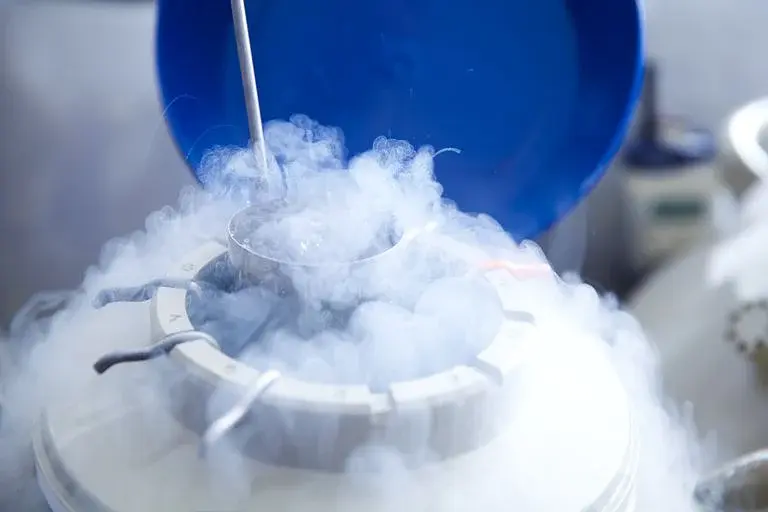
Liquid nitrogen storage tanks are the most common type of cryogenic storage system. These units are designed to maintain extremely low temperatures for long-term biological sample preservation.
They are available in a variety of sizes ranging from compact laboratory vessels to large-capacity biobank systems. Many systems support canisters, racks, and cryobox storage configurations for organized sample management.
For buyers, LN2 tanks are ideal for:
- Long-term biological sample storage
- High-capacity cryogenic preservation
- Research and clinical environments
- Cell banking and tissue storage
Vapor-Phase vs. Liquid-Phase Cryogenic Storage
Cryogenic systems typically operate in either vapor-phase or liquid-phase configurations.
Vapor-Phase Storage
Samples are stored above the liquid nitrogen, suspended in ultra-cold vapor. This reduces direct liquid contact and lowers cross-contamination risk, making it popular in clinical and pharmaceutical environments.
Liquid-Phase Storage
Samples are submerged directly in liquid nitrogen for maximum temperature consistency. This method is commonly used in research applications and high-capacity storage environments.
For buyers, choosing between vapor and liquid phase depends on:
- Sample sensitivity
- Regulatory requirements
- Storage duration
- Cross-contamination concerns
Cryogenic Freezers and Cryovessels
In addition to large LN2 tanks, many labs use specialized cryogenic freezers and cryovessels for transport, handling, or smaller-scale storage workflows.
These systems are commonly used for:
- Sample transport and temporary storage
- Lab-to-lab cryogenic transfer
- Smaller research workflows
- Backup cryogenic storage capacity
Compact cryogenic systems are especially useful in labs where flexibility, mobility, and efficient space utilization are important.
Key Features Buyers Should Consider
When evaluating cryogenic storage systems, buyers should focus on the features that most impact sample protection, efficiency, and long-term operating costs.
Important factors include:
- Storage capacity and organization – Ensure the system can support your required number of vials, racks, canisters, or cryoboxes while allowing easy sample access.
- Liquid nitrogen efficiency and hold time – Better insulation and lower LN2 consumption help reduce operating costs and maintain stable temperatures.
- Temperature monitoring and alarms – Reliable monitoring systems and low-level alarms help protect valuable biological samples from temperature fluctuations or LN2 loss.
- Vapor-phase vs. liquid-phase storage – Vapor-phase systems reduce contamination risk, while liquid-phase systems provide maximum cooling consistency.
- Footprint and workflow compatibility – Buyers should consider available lab space, accessibility, and how the system integrates into daily workflows.
Choosing the right combination of features helps ensure reliable long-term cryogenic storage, sample stability, and operational efficiency.

Recommended Cryogenic Storage Systems
Selecting a reliable cryogenic storage system is critical for protecting valuable biological materials and maintaining long-term sample integrity. Below are two commonly used systems for laboratory and research applications.
Integrated Biosystems Cryovessel
The Integrated Biosystems Cryovessel is designed for secure cryogenic sample storage and handling in laboratory and research environments. These systems are commonly used for storing biological specimens, cell cultures, and sensitive research materials requiring ultra-low-temperature preservation.
For buyers, cryovessels provide:
- Reliable LN2-based cryogenic storage
- Compact and durable design
- Efficient handling of biological samples
- Flexible use in research and clinical workflows
Thermolyne Bio Cane 11 Cryogenic Storage
The Thermolyne Bio Cane 11 is a widely recognized liquid nitrogen cryogenic storage container designed for long-term preservation of biological materials. Its compact configuration and organized cane storage system make it ideal for labs managing vials, tubes, and small sample inventories.
This system is commonly used in:
- Biotech and pharmaceutical labs
- Clinical and IVF environments
- Academic and research facilities
- Biological sample archiving
For buyers looking for a dependable and space-efficient cryogenic storage option, the Bio Cane 11 remains a popular solution.
Other Popular Cryogenic Storage Brands and Systems
Several manufacturers produce trusted cryogenic storage systems used in laboratories and biobanking facilities worldwide.
Popular systems include:
- Taylor-Wharton LABS Series
- Chart MVE HEco Series
- Thermo Scientific CryoExtra
- Worthington Industries CX Series
These systems vary in capacity, automation, and monitoring features, allowing buyers to select configurations suited for small labs, clinical facilities, or large-scale biobanking operations.
Why Cryogenic Storage Is Critical for Modern Labs
As demand for cell therapy, biologics, personalized medicine, and biobanking continues to grow, cryogenic storage systems have become foundational equipment in modern laboratories.
Proper cryogenic storage ensures:
- Long-term sample viability and stability
- Reduced risk of degradation or contamination
- Reliable support for research, clinical, and pharmaceutical workflows
- Compliance with modern laboratory storage standards
For buyers, investing in a high-quality cryogenic storage system helps protect valuable research materials while improving operational reliability.
Ready to equip your lab with reliable instruments without breaking the budget? Explore ReBio’s wide selection of refurbished lab equipment today and see how much your lab can save. Don’t wait—get the tools you need to advance your research while staying cost-effective and sustainable.
info@rebio.com