
Why Regulatory Compliance Matters in Research Facilities
In biotech, pharmaceutical, clinical, and academic research facilities, regulatory compliance is not optional—it is a core requirement for maintaining operational approval, funding eligibility, and data integrity. Failure to meet standards can result in audit findings, operational shutdowns, product delays, and costly remediation efforts.
Common governing frameworks include FDA 21 CFR Part 11, GMP (Good Manufacturing Practices), GLP (Good Laboratory Practices), ISO standards, and environmental health and safety regulations. Across all of these, the most frequent issues are rarely complex—they are typically related to equipment, documentation, validation, and environmental control systems.
In practice, compliance is also closely tied to how well a facility maintains consistency across daily operations. Even minor deviations in procedure can create documentation gaps that become significant during audits. Many organizations underestimate how much regulators rely on traceability across time, not just point-in-time compliance. As a result, long-term operational discipline is just as important as initial qualification. Facilities that build compliance into daily workflows tend to experience fewer disruptions during inspections.
Improper Equipment Qualification and Validation
One of the most common regulatory issues in research facilities is the lack of proper equipment qualification (IQ/OQ/PQ) and validation documentation.
Regulators expect that critical systems—such as CO2 incubators, centrifuges, chromatography systems, flow cytometers, and environmental chambers—are fully qualified and consistently maintained.
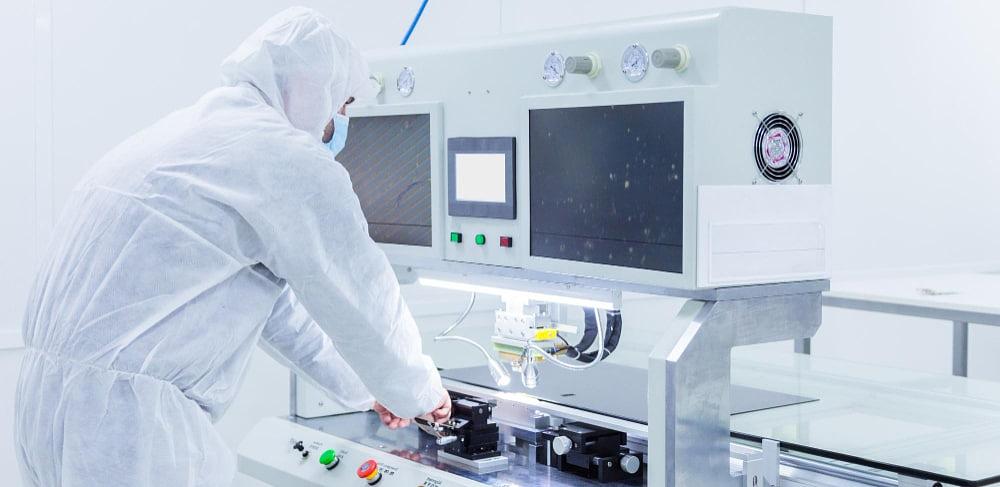
Typical compliance gaps include:
- Missing or incomplete IQ/OQ/PQ documentation
- Failure to revalidate equipment after relocation or repair
- Inconsistent calibration records for laboratory instruments
- Use of unverified or unsupported equipment in regulated workflows
This becomes especially critical in GMP and GLP environments, where even minor documentation gaps can trigger audit findings.
Many issues arise when equipment is moved between facilities or repurposed for new workflows without proper requalification. This is especially common with used or refurbished laboratory equipment, where historical validation records may be incomplete or unavailable. Without proper revalidation, even fully functional equipment may be considered non-compliant. Facilities must therefore ensure that validation is treated as a lifecycle process, not a one-time event. This approach helps maintain audit readiness across all operational phases.
Inadequate Equipment Maintenance and Calibration Programs
Another major issue is the lack of structured preventive maintenance and calibration schedules for laboratory and industrial equipment.
Without consistent maintenance, facilities risk:
- Drift in analytical performance for chromatography and spectroscopy systems
- Temperature instability in CO2 incubators and environmental chambers
- Reduced accuracy in centrifuges, balances, and imaging systems
- Unexpected equipment downtime impacting regulated studies
Regulators expect documented evidence that all lab and production equipment is maintained according to manufacturer specifications and internal SOPs.
When maintenance schedules are inconsistent, performance drift can go unnoticed until it directly affects experimental or production outcomes. This creates both scientific and compliance risks, particularly in validated environments. Over time, even small calibration deviations can accumulate into significant data integrity concerns. Facilities that implement structured preventive maintenance programs typically see improved reliability and fewer audit findings. This also helps extend the usable lifespan of high-value laboratory equipment.
Environmental Monitoring and Contamination Control Failures
Failure to maintain proper environmental monitoring systems is a frequent compliance issue in cell culture labs, biotech manufacturing, and sterile research environments.
Key problem areas include:
- Insufficient monitoring of temperature, humidity, CO2 levels, and particulates
- Gaps in microbial contamination tracking
- Lack of alarm systems or response procedures for deviations
- Poorly maintained cleanroom and biosafety environments
Equipment such as CO2 incubators, biosafety cabinets, and cleanroom systems must be continuously monitored and documented to meet GMP and ISO cleanroom standards.
Environmental control failures often occur when monitoring systems are treated as secondary rather than critical infrastructure. However, even short-term deviations can compromise cell cultures or invalidate production batches. In regulated environments, these events must be fully documented, investigated, and reported, which adds operational burden. Strong environmental monitoring systems reduce both compliance risk and experimental variability. This makes them essential for maintaining reproducibility in sensitive workflows.
Data Integrity and Electronic Record Compliance Issues
Modern research facilities rely heavily on digital systems, making data integrity violations a major regulatory risk area.
Common issues include:
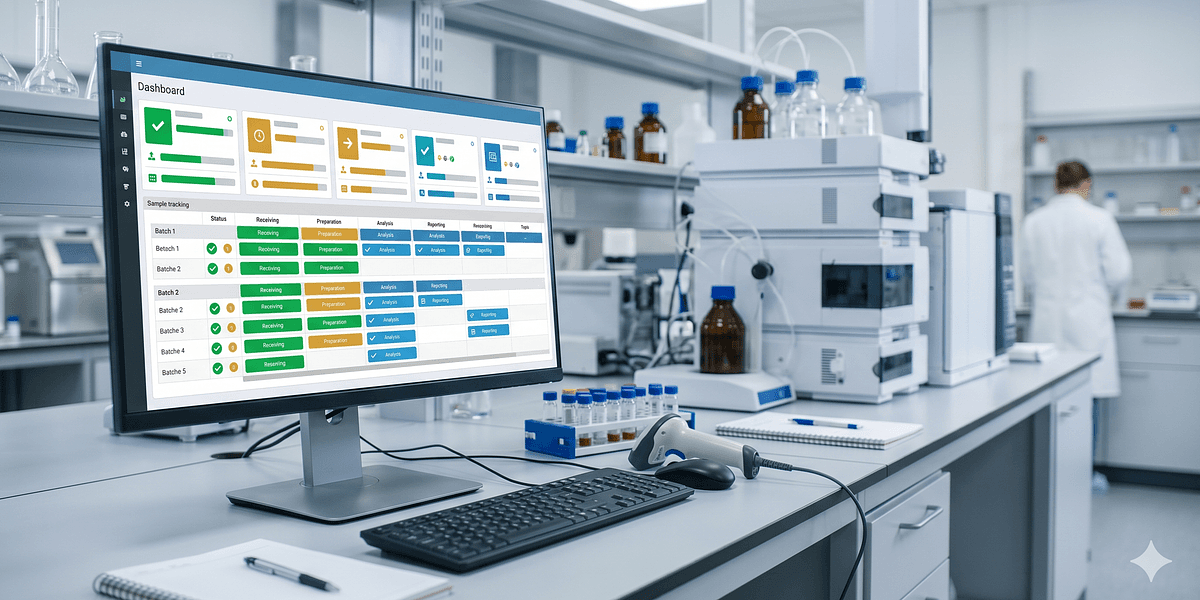
- Lack of audit trails in laboratory software systems
- Improper user access controls for LIMS and instrument software
- Incomplete or non-compliant electronic records
- Failure to comply with 21 CFR Part 11 requirements
This applies directly to equipment such as analytical instruments, chromatography systems, and automated laboratory platforms, where electronic data must remain secure, traceable, and unaltered.
As laboratories increase automation, regulators are shifting focus toward system-wide data governance rather than isolated record checks. This means software validation and cybersecurity controls are becoming just as important as physical equipment calibration. Gaps in electronic records often appear during audits even when experimental data itself is scientifically valid. Proper system configuration and user management are essential to maintaining compliance. Facilities that invest in robust data integrity frameworks reduce both regulatory and operational risk.
Improper Equipment Storage and Lifecycle Management
Regulators also evaluate how facilities manage equipment lifecycle and storage practices. Poor storage conditions can compromise equipment performance and invalidate validation status.
Common compliance risks include:
- Storing sensitive equipment like CO2 incubators, centrifuges, and analytical instruments in non-climate-controlled environments
- Lack of documentation for long-term storage conditions
- Failure to requalify equipment after extended inactivity
- Using refurbished or secondary-market equipment without proper validation
Proper laboratory equipment storage and lifecycle documentation is essential for maintaining compliance and operational readiness.
Long-term storage is often overlooked in compliance planning, even though it directly affects equipment qualification status. Environmental fluctuations during storage can lead to hidden degradation in sensors, seals, and calibration stability. When equipment is reintroduced into service, additional validation steps may be required, increasing cost and downtime. Structured storage protocols help mitigate these risks while preserving asset value. This is especially important for high-value laboratory and industrial equipment.
Inadequate Training and SOP Enforcement
Even well-equipped facilities fail audits when standard operating procedures (SOPs) are not consistently followed or documented.
Typical issues include:
- Missing training records for equipment operators
- Outdated SOPs for regulated processes
- Inconsistent adherence to GMP and GLP protocols
- Lack of retraining after equipment upgrades or process changes
Regulators require clear evidence that personnel are trained on all lab equipment, safety procedures, and compliance requirements.
Training gaps often emerge during staffing transitions or equipment upgrades, where procedures are not fully updated or communicated. This creates inconsistencies in how equipment is operated or maintained across teams. Over time, these inconsistencies can lead to compliance deviations that are difficult to trace back to a single root cause. Regular retraining and SOP review cycles help maintain operational consistency. Strong training programs also reduce human-error-related audit findings.
How Facilities Can Reduce Regulatory Risk
To minimize compliance issues, research facilities should implement:
- Structured equipment qualification and calibration programs
- Routine preventive maintenance schedules
- Validated environmental monitoring systems
- Full data integrity controls for digital systems
- Proper equipment storage and lifecycle tracking
- Continuous SOP updates and staff training programs
These practices not only improve compliance but also extend the lifespan and reliability of high-value laboratory and industrial equipment.
A proactive compliance strategy improves operational stability by reducing unexpected downtime and audit disruptions. It also ensures that equipment remains in a validated state throughout its lifecycle. Facilities that integrate compliance into daily operations tend to experience fewer corrective actions during inspections. This approach also supports better budgeting and long-term asset planning. Ultimately, compliance maturity directly correlates with operational efficiency.
Looking to Strengthen Compliance and Equipment Readiness?
Explore verified used and refurbished laboratory equipment, lifecycle-managed systems, and compliant secondary market solutions at ReBio.
info@rebio.com