
Infrared cameras and thermal imaging systems have become essential tools across aerospace, defense, electronics manufacturing, research laboratories, semiconductor facilities, telecommunications testing, and industrial inspection environments. By capturing heat signatures and thermal data that are invisible to the human eye, these systems allow engineers and researchers to analyze equipment performance, identify defects, monitor processes, and investigate high-speed thermal events.
For buyers seeking thermal imaging cameras, infrared cameras, high-speed IR cameras, scientific thermal imaging systems, or industrial thermal inspection equipment, understanding the capabilities and applications of these technologies can help ensure the right investment for long-term operational success.
What Are Infrared Cameras and Thermal Imaging Systems?
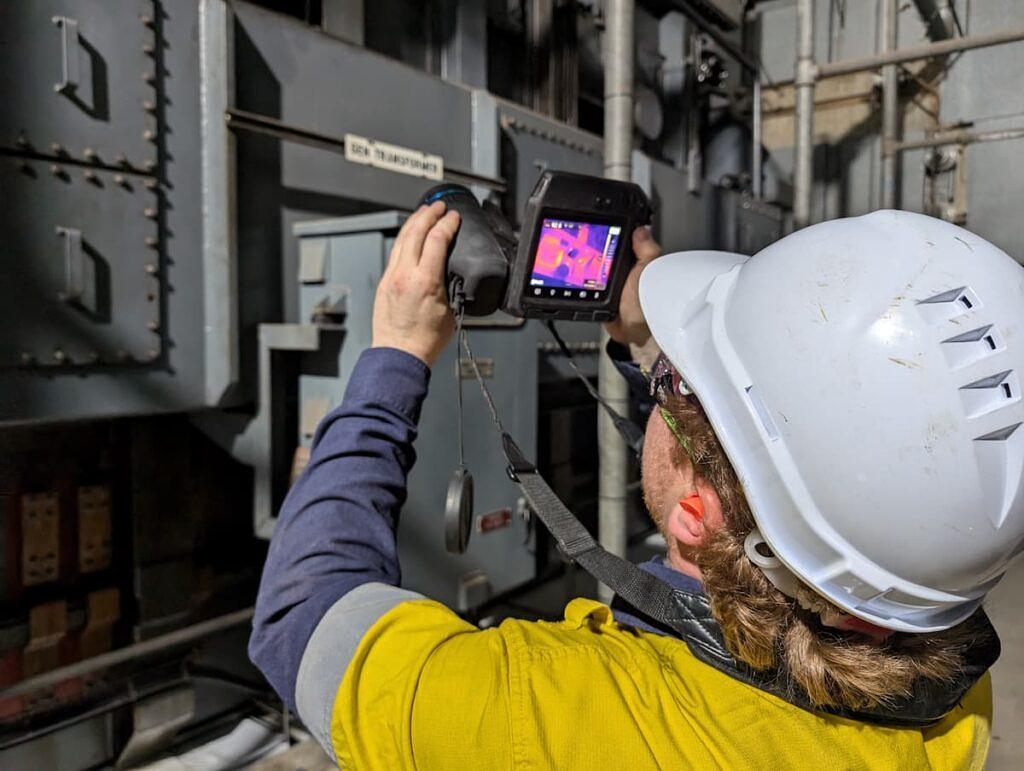
Infrared cameras detect energy in the infrared spectrum and convert it into thermal images that display temperature variations across a target. Unlike traditional cameras that capture visible light, thermal imaging systems reveal heat patterns, hotspots, and temperature changes that may otherwise go unnoticed.
These systems are widely used for both routine inspections and advanced scientific research. Depending on the application, infrared cameras can be used to monitor equipment health, evaluate product performance, detect manufacturing defects, or analyze rapid thermal events occurring in milliseconds.
As technology continues to advance, modern thermal imaging systems offer higher frame rates, greater resolution, and improved sensitivity, making them valuable tools for both industrial operations and cutting-edge research programs.
Common Applications for Thermal Imaging Systems
Infrared cameras are used in a wide range of industries where temperature measurement and thermal analysis are critical.
Common applications include:
- Aerospace testing and validation
- Defense and military research
- Electronics and semiconductor testing
- Battery and energy storage analysis
- Telecommunications equipment testing
- Industrial process monitoring
- Product reliability testing
- Research and development programs
- Predictive maintenance inspections
- Manufacturing quality control
Many organizations rely on thermal imaging systems to identify potential issues before failures occur, reducing downtime and improving overall operational efficiency.
Aerospace and Defense Testing Applications
Aerospace and defense organizations frequently use infrared cameras to analyze thermal behavior during testing and validation programs. Engineers can monitor heat generation, material performance, propulsion systems, and electronic components under demanding operating conditions.
High-speed thermal imaging is particularly valuable when studying rapid events such as explosions, combustion processes, impact testing, and aerodynamic research. The ability to capture thousands of thermal images per second provides insights that would be impossible to obtain using conventional cameras.
For aerospace contractors and research facilities, thermal imaging systems often play a critical role in product development, validation, and failure analysis.
Electronics and Semiconductor Analysis
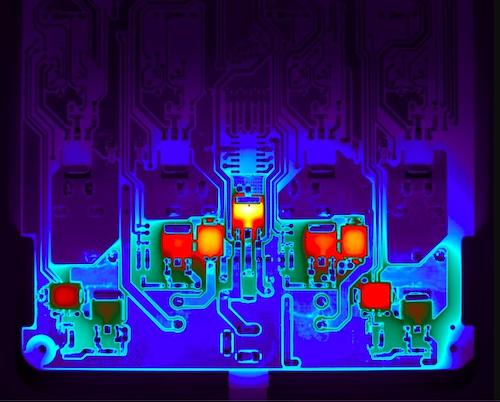
As electronic devices become smaller and more powerful, thermal management becomes increasingly important. Infrared cameras allow engineers to identify overheating components, thermal bottlenecks, and inefficient circuit designs before products reach production.
In semiconductor manufacturing and advanced electronics development, thermal imaging systems help support:
- Chip and package testing
- Power electronics analysis
- Circuit board diagnostics
- Reliability testing
- Failure analysis investigations
- Thermal design optimization
By identifying temperature-related issues early, organizations can improve product performance and reduce costly redesign efforts.
Benefits of High-Speed Infrared Imaging
While standard thermal cameras are useful for routine inspections, high-speed infrared cameras provide additional capabilities for research and engineering applications.
Key advantages include:
- Capturing fast thermal events
- Analyzing transient heat signatures
- Supporting advanced R&D projects
- Improving failure investigations
- Monitoring dynamic processes in real time
- Recording thermal behavior frame-by-frame
These capabilities make high-speed systems especially valuable in aerospace, defense, electronics, energy storage, and scientific research environments where rapid thermal changes occur.
What Buyers Should Consider
When evaluating infrared cameras and thermal imaging systems, buyers should focus on the specifications that most directly impact their applications.
Important factors include:
- Thermal resolution
- Frame rate and capture speed
- Temperature measurement range
- Detector sensitivity
- Spectral range
- Software and analysis capabilities
- Data storage requirements
- Integration with existing test systems
- Calibration and support options
Understanding application requirements before purchase can help buyers select a system that delivers both performance and long-term value. A research laboratory studying rapid thermal events will often prioritize frame rate and sensitivity, while a manufacturing facility may focus more on reliability, automation capabilities, and integration with existing inspection processes. Buyers should also consider future needs, as selecting a system with additional performance capacity can help accommodate evolving testing requirements without requiring another major equipment investment.
Recommended Thermal Imaging Systems
Several manufacturers produce advanced thermal imaging solutions for scientific, aerospace, defense, industrial, and research applications. The following models are among the most recognized and widely used thermal imaging systems on the market.
Telops FAST-IR 2K
The Telops FAST-IR 2K is a high-speed infrared camera designed for demanding thermal analysis applications. Its ability to capture fast thermal events makes it particularly useful for aerospace testing, electronics research, defense programs, and advanced scientific investigations.
Key advantages include:
- High-speed thermal data capture
- Excellent thermal sensitivity
- Support for dynamic event analysis
- Advanced research and development applications
Organizations conducting thermal characterization, materials research, or failure analysis often utilize systems like the FAST-IR 2K to capture critical data that traditional thermal cameras cannot provide.
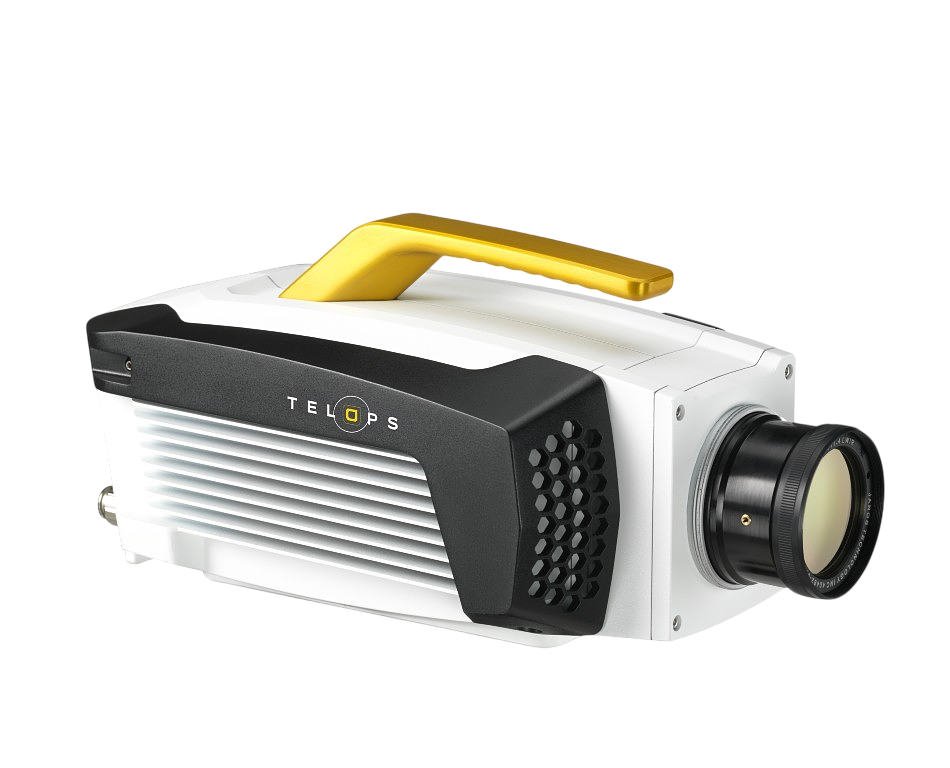
Telops FAST M3K
The Telops FAST M3K is another powerful high-speed thermal imaging platform designed for applications requiring exceptional speed and thermal measurement accuracy.
Common use cases include:
- Aerospace testing
- Combustion analysis
- Defense research
- Industrial process monitoring
- Semiconductor and electronics testing
Its advanced imaging capabilities allow researchers and engineers to study complex thermal phenomena in real time, helping improve product development, validation, and troubleshooting processes.
FLIR X-Series High-Speed Thermal Cameras
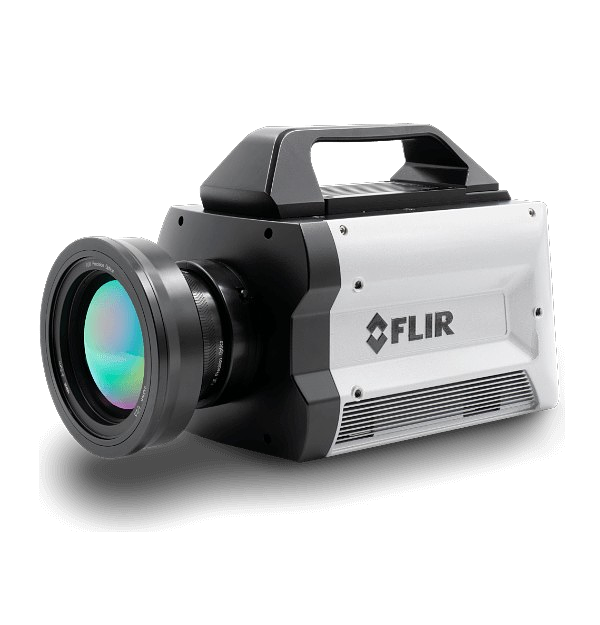
The FLIR X-Series thermal imaging cameras are widely used in research, product development, and industrial testing environments. These systems combine high-speed recording capabilities with advanced thermal analysis software, making them popular among engineers and scientists studying dynamic thermal events.
Common applications include:
- Electronics testing
- Materials research
- Automotive development
- Industrial process analysis
FLIR A-Series Thermal Cameras
The FLIR A-Series cameras are frequently deployed for continuous monitoring, automation, and predictive maintenance applications. Their integration capabilities make them a popular choice for manufacturing facilities and industrial inspection programs.
Typical uses include:
- Automated thermal inspection
- Process monitoring
- Equipment condition monitoring
- Quality assurance testing
Teledyne FLIR T-Series Thermal Cameras
The FLIR T-Series handheld thermal cameras are among the most widely recognized thermal imaging solutions for maintenance professionals, inspectors, and engineers. These cameras provide high-resolution thermal imaging for troubleshooting and diagnostics.
Popular applications include:
- Electrical inspections
- Mechanical inspections
- Building diagnostics
- Facility maintenance
Optris PI Series Infrared Cameras
The Optris PI Series offers compact infrared cameras designed for industrial process monitoring and thermal measurement applications. Their flexibility and affordability make them popular in manufacturing and laboratory environments.
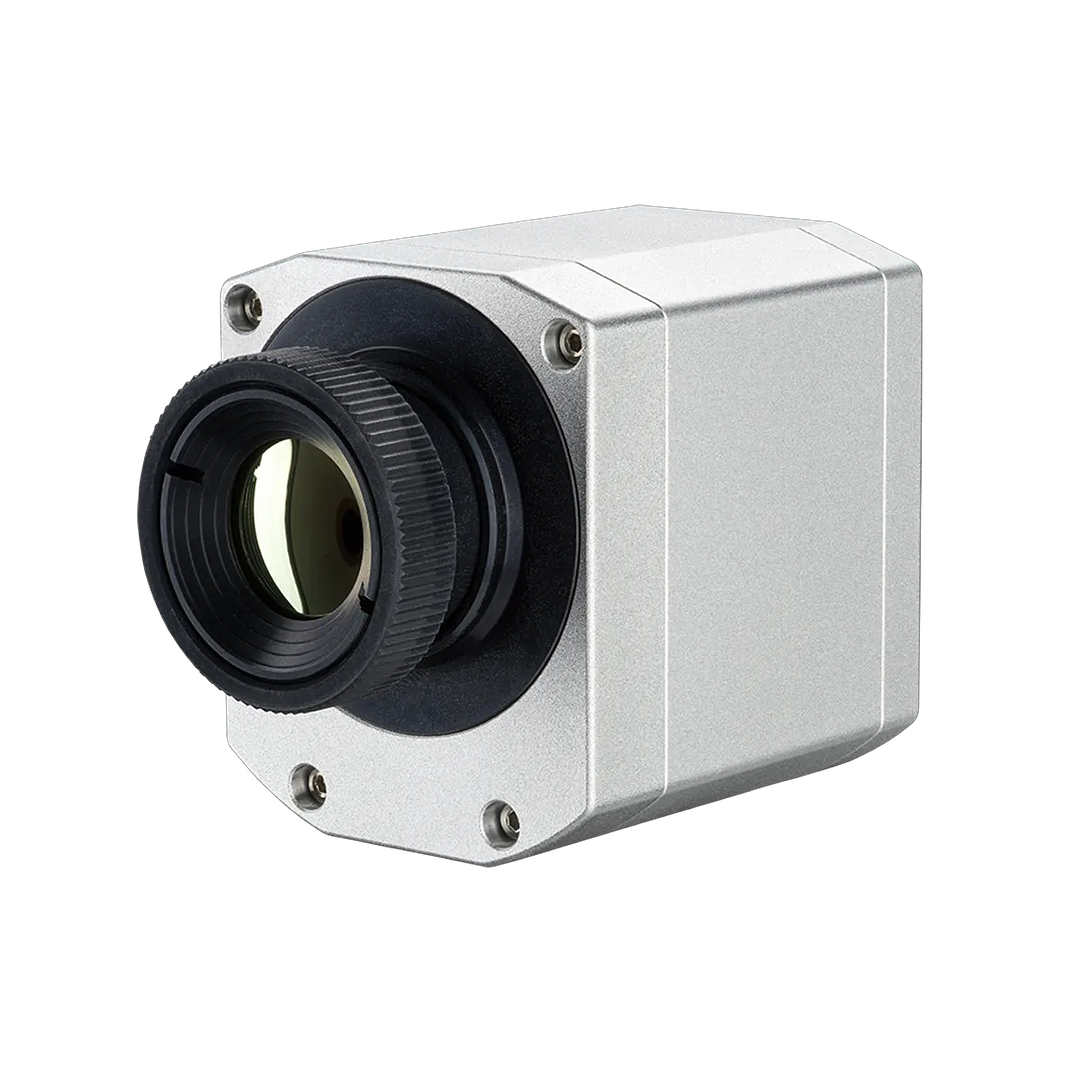
Common applications include:
- Production monitoring
- Research laboratories
- Thermal process control
- OEM integration
InfraTec ImageIR Series
The InfraTec ImageIR Series is known for delivering high-performance thermal imaging for scientific research and industrial testing. These systems are commonly used in aerospace, defense, and advanced engineering applications where precision thermal measurements are required.
Why Thermal Imaging Systems Continue to Grow in Demand
As industries place greater emphasis on reliability, performance, and predictive diagnostics, demand for thermal imaging technology continues to increase. Infrared cameras provide valuable insights into equipment behavior, product quality, and thermal performance that cannot be obtained through traditional inspection methods.
Whether supporting aerospace development, semiconductor manufacturing, telecommunications testing, battery research, or industrial maintenance programs, thermal imaging systems remain one of the most versatile diagnostic tools available to modern organizations.
The growing adoption of automation, advanced manufacturing, and high-performance electronics is further increasing the need for accurate thermal analysis. Engineers and researchers are under constant pressure to improve efficiency, reduce failures, and shorten development timelines. Thermal imaging helps organizations identify problems earlier in the process, resulting in lower operating costs, improved product quality, and more informed decision-making across research, production, and maintenance activities.
Thermal Imaging Solutions for Modern Testing and Research
rganizations that invest in the right infrared camera can improve diagnostics, accelerate product development, reduce downtime, and gain deeper insight into thermal behavior across a wide range of applications. From high-speed scientific imaging to predictive maintenance and automated inspection, thermal imaging technology continues to deliver measurable value across countless industries.
Modern thermal imaging systems are increasingly being integrated into automated testing environments, manufacturing lines, and advanced research programs. Their ability to provide non-contact temperature measurement and real-time thermal visualization makes them valuable tools for investigating complex processes while minimizing disruption to ongoing operations.
As thermal imaging systems become more advanced and accessible, they will remain essential tools for engineers, researchers, manufacturers, and technical professionals worldwide. Organizations that invest in the right platform today are often better positioned to improve efficiency, enhance product reliability, and gain a competitive advantage through better thermal data and analysis capabilities.
Looking for Thermal Imaging or Infrared Camera Systems?
Ready to equip your lab with reliable instruments without breaking the budget? Explore ReBio’s wide selection of refurbished lab equipment today and see how much your lab can save. Don’t wait—get the tools you need to advance your research while staying cost-effective and sustainable.
info@rebio.com