
A bioprocess depth filtration system is a critical component in biopharmaceutical manufacturing, biologics production, vaccine processing, and cell culture downstream workflows. These systems are designed to remove cell debris, colloids, particulates, and high-solids contaminants from process fluids before sterile filtration or further purification steps.
In modern GMP manufacturing environments, depth filtration plays a key role in protecting downstream equipment, improving product clarity, and increasing overall process efficiency. Without effective clarification, sterile filters can foul quickly, yields can drop, and batch consistency can be compromised. For this reason, depth filtration systems are widely used across biotech production lines, pharmaceutical facilities, and contract manufacturing organizations (CMOs).
How Depth Filtration Systems Work
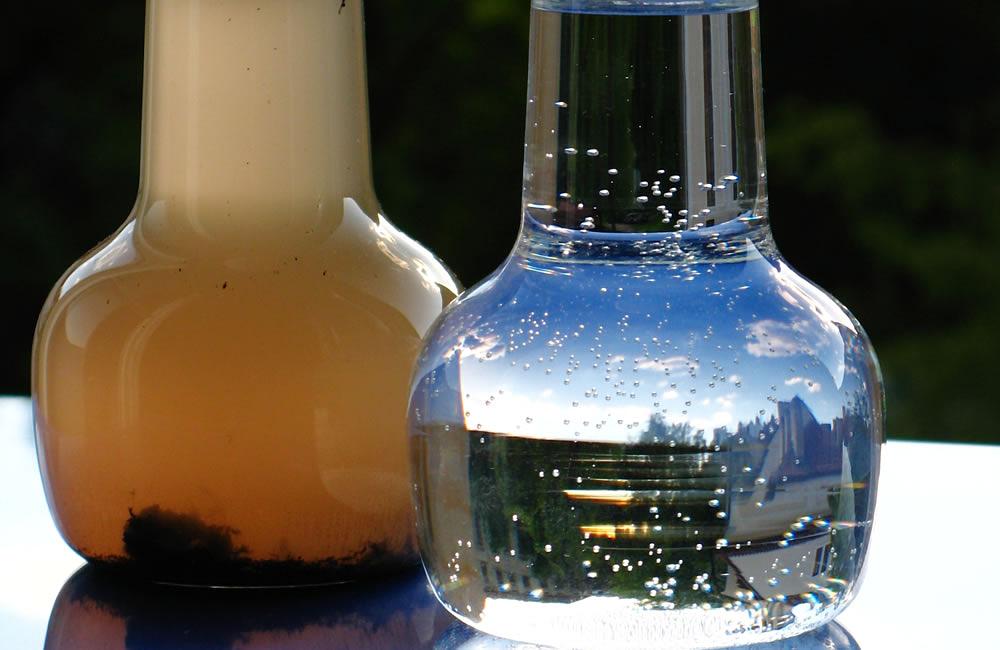
Bioprocess depth filtration systems operate by using layered filtration media—often cellulose-based or charged filter matrices—that capture particles throughout the depth of the filter rather than only on the surface. This structure allows for higher dirt-holding capacity and longer operational life compared to traditional membrane filters.
Many systems also incorporate electrokinetic or charged filtration mechanisms, which help attract and retain submicron particles that would otherwise pass through mechanical filtration. This makes them especially effective for harvest clarification, fermentation broth processing, and protein-based biologics workflows.
Where They Are Used in the Bioprocess Workflow
Depth filtration systems are typically positioned early in downstream processing, often immediately after:
- Bioreactor harvest (cell culture or fermentation)
- Primary clarification steps (centrifugation or settling)
- Before sterile filtration (0.22 µm membrane filters)
They act as a protective barrier for high-value downstream purification systems, including chromatography skids and sterile fill-finish lines. In large-scale operations, they are often integrated into skid-mounted bioprocess systems for continuous or semi-continuous processing.
Key Benefits of Bioprocess Depth Filtration Systems
Bioprocess depth filtration systems provide several operational and financial advantages in both upstream and downstream biomanufacturing workflows. One of the primary benefits is their ability to handle high-solids and high-turbidity biological fluids, significantly reducing fouling on downstream sterile filters and chromatography systems. This improves overall process efficiency and reduces consumable costs over time.
Another major advantage is improved product yield and process clarity, especially in monoclonal antibody production, vaccine manufacturing, and recombinant protein purification. By effectively removing cell debris and colloidal material early in the process, depth filtration systems help maintain product integrity and reduce variability between batches. This consistency is critical in GMP-regulated manufacturing environments, where reproducibility directly impacts compliance and product approval.
From an operational standpoint, depth filtration systems also reduce downtime and maintenance frequency. Encapsulated or skid-mounted systems can be quickly exchanged or scaled, allowing facilities to maintain continuous production without extended interruptions. Their scalability—from bench-scale to full production—makes them ideal for process development, pilot manufacturing, and commercial-scale biologics production.
Common Applications
Bioprocess depth filtration systems are widely used in:
- Monoclonal antibody (mAb) production
- Vaccine manufacturing
- Recombinant protein purification
- Cell and gene therapy workflows
- Fermentation-based biologics production
- CRO and CDMO large-scale processing
Their ability to handle high turbidity fluids makes them essential for high-throughput biologics production environments.
Recommended Systems and Popular Models
Below are widely used and industry-recognized bioprocess depth filtration systems and skids commonly found in biotech and pharmaceutical manufacturing environments:
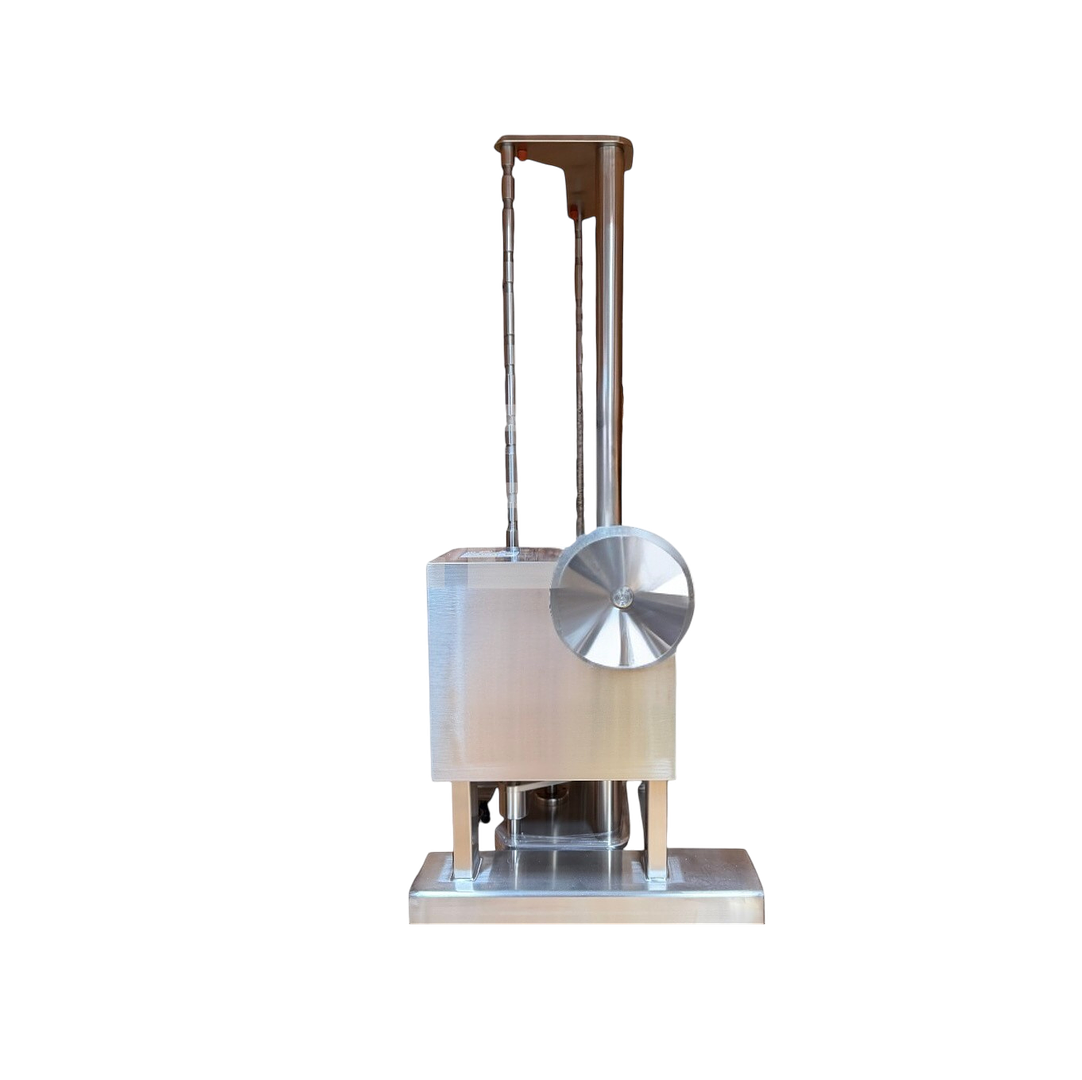
- 3M Zeta Plus 16EZB Encapsulated Filter Housing System (ZP11 SS Skid) – A robust encapsulated depth filtration skid system designed for efficient clarification of high-solids biological fluids using Zeta Plus filter media technology. Commonly used in GMP bioprocessing lines for scalable clarification and pre-sterile filtration.
- Pall SUPRA-cap Depth Filter Systems – Widely used modular capsule-based systems designed for biopharmaceutical clarification and scalable downstream processing. Known for flexibility in pilot-to-production scale workflows.
- Merck Millipore Clarisolve Depth Filters – High-performance clarification filters designed for high-density cell culture and challenging harvest streams, often used in monoclonal antibody production.
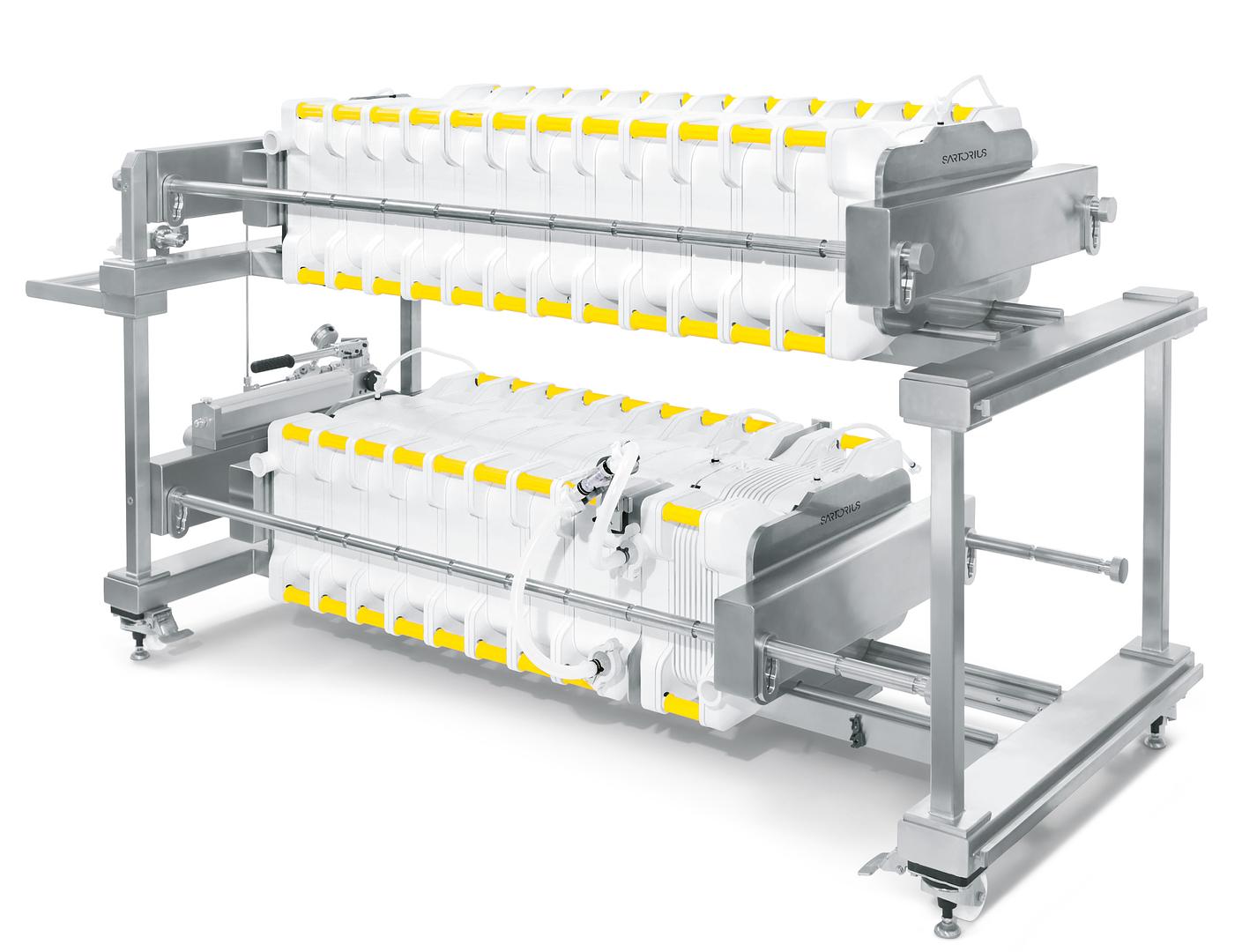
- Sartorius Sartoclear Depth Filter Systems – A commonly used solution for harvest clarification and pre-filtration in biologics manufacturing, offering scalable formats for different batch sizes.
- Cytiva (GE Healthcare) Depth Filter Capsules (Whatman/Harvest Clarification Series) – Designed for efficient removal of cell debris and turbidity reduction in both pilot and commercial-scale bioprocessing workflows.
Secondary Market Advantage
The secondary market for bioprocess depth filtration systems is increasingly important for biotech startups, CDMOs, and pharmaceutical manufacturers looking to scale without excessive capital expenditure. High-quality systems such as 3M Zeta Plus skids, Pall SUPRA-cap systems, Sartorius Sartoclear units, and Millipore depth filtration capsules are frequently available through surplus, decommissioning, or facility upgrades. When properly tested and documented, these systems continue to perform reliably in GMP and pilot-scale environments, making them a practical alternative to new capital equipment.
One of the key advantages of sourcing from the secondary market for bioprocess equipment is reduced lead time. New filtration skids and consumables-based systems often have long manufacturing and delivery cycles, while refurbished or pre-owned systems are typically available for immediate deployment. This is especially valuable for facilities operating under tight production timelines or scaling rapidly.
Additionally, secondary market systems allow facilities to standardize equipment across multiple sites without significant capital investment. Many biotech companies prefer to maintain consistency in depth filtration platforms, capsule formats, and housing systems to simplify validation and training. With proper refurbishment and verification, these systems can be integrated into existing workflows while maintaining process continuity and regulatory alignment.
Ready to equip your lab with reliable instruments without breaking the budget? Explore ReBio’s wide selection of refurbished lab equipment today and see how much your lab can save. Don’t wait—get the tools you need to advance your research while staying cost-effective and sustainable.
info@rebio.com