
Surface Plasmon Resonance (SPR) systems have become indispensable tools for drug discovery, antibody development, protein characterization, biomolecular interaction analysis, and life science research. By providing real-time, label-free detection of molecular binding events, SPR instruments help researchers better understand how proteins, antibodies, nucleic acids, peptides, and small molecules interact.
For buyers seeking used SPR systems, biomolecular interaction analyzers, protein binding instruments, or label-free analysis platforms, investing in a high-quality Surface Plasmon Resonance system can deliver exceptional analytical performance while significantly reducing capital costs compared to purchasing new equipment.
What Is a Surface Plasmon Resonance (SPR) System? 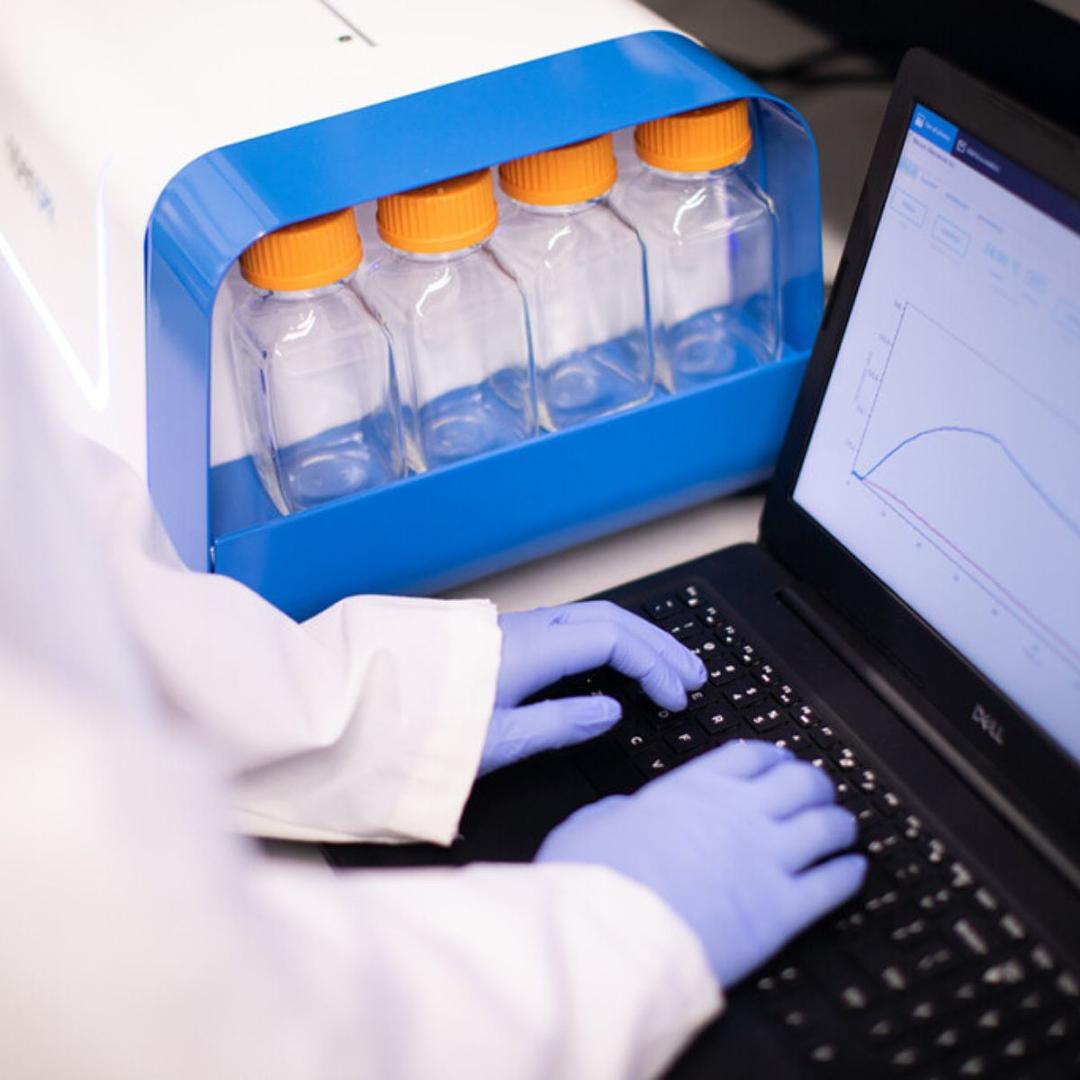
A Surface Plasmon Resonance (SPR) system is an analytical instrument that measures molecular interactions without the need for fluorescent, radioactive, or chemical labels. By monitoring changes in the refractive index at a sensor surface, SPR technology allows researchers to observe binding events as they occur in real time.
Unlike many traditional analytical techniques, SPR systems provide both qualitative and quantitative information, including binding affinity, association rates, dissociation rates, and kinetic constants. This enables researchers to gain a deeper understanding of molecular behavior while reducing sample preparation and experimental complexity.
How SPR Technology Works
SPR technology measures tiny changes that occur when molecules bind to a sensor chip coated with a specific ligand. As an analyte flows across the sensor surface, the instrument continuously records the interaction, producing sensorgrams that reveal the strength and speed of molecular binding.
This real-time monitoring eliminates many of the limitations associated with endpoint assays and allows researchers to evaluate complex interactions under conditions that closely mimic biological environments. The ability to observe binding kinetics directly makes SPR one of the most widely used technologies in modern drug discovery and protein research.
Common Applications of SPR Systems
SPR instruments are used throughout pharmaceutical development, biotechnology research, and academic laboratories where understanding molecular interactions is essential.
Common applications include:
- Drug discovery and lead optimization
- Antibody characterization
- Protein-protein interaction studies
- Protein-small molecule binding
- Biomarker research
- Vaccine development
- Biosimilar comparability studies
- Ligand screening
- Kinetic and affinity analysis
Because SPR is label-free, researchers can often obtain more accurate interaction data while minimizing assay development time.
Why Researchers Choose Label-Free Analysis
Traditional binding assays often require fluorescent or radioactive labels that can alter molecular behavior or increase experimental complexity. Label-free SPR analysis eliminates these concerns while providing highly sensitive, real-time interaction data.
Key advantages include:
- Real-time binding analysis
- No fluorescent or radioactive labels required
- High sensitivity
- Accurate kinetic measurements
- Reduced sample preparation
- Reusable sensor chip technology
- Faster assay development
These benefits make SPR systems valuable tools for laboratories seeking reproducible, high-quality analytical data across a wide range of biomolecular applications.
Industries That Benefit from SPR Technology
Although SPR is commonly associated with pharmaceutical research, its applications extend well beyond drug discovery.
Organizations that frequently utilize SPR systems include:
- Pharmaceutical manufacturers
- Biotechnology companies
- Academic research laboratories
- Contract research organizations (CROs)
- Vaccine developers
- Medical device companies
- Diagnostic developers
- Government and clinical research institutions
As biologics and precision medicine continue to expand, the demand for reliable biomolecular interaction analysis continues to grow.
What Buyers Should Consider
When evaluating a used Surface Plasmon Resonance system, buyers should consider both the instrument's technical capabilities and its long-term operating requirements.
Important considerations include:
- Number of flow channels
- Detection sensitivity
- Kinetic analysis software
- Sample throughput
- Sensor chip compatibility
- Computer and software availability
- Service history
- Included accessories and consumables
Buyers should also consider the types of molecules they intend to analyze. Some systems are optimized for high-throughput screening, while others excel in detailed kinetic characterization or small-sample research environments. Selecting the right platform can improve workflow efficiency and maximize long-term value.
Recommended Surface Plasmon Resonance (SPR) Systems
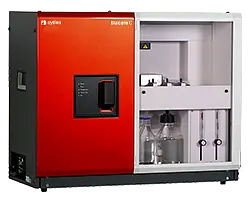
Cytiva Biacore C – A reliable SPR platform for real-time, label-free biomolecular interaction analysis, widely used for protein characterization, antibody binding studies, affinity measurements, and pharmaceutical research. An excellent choice for laboratories seeking dependable SPR performance at a competitive price.
Bruker Sierra Sensors MASS-2 – Compact, high-performance SPR instrument designed for protein interaction analysis, small molecule screening, biomarker research, and drug discovery. Offers sensitive detection and user-friendly software for biotechnology and academic laboratories.
Cytiva Biacore T200 – One of the industry's most popular SPR systems for advanced kinetic analysis, antibody characterization, fragment screening, and small molecule interaction studies. Commonly found in pharmaceutical R&D and biologics development laboratories.
Cytiva Biacore 8K – High-throughput SPR platform built for pharmaceutical screening, biologics development, and large-scale 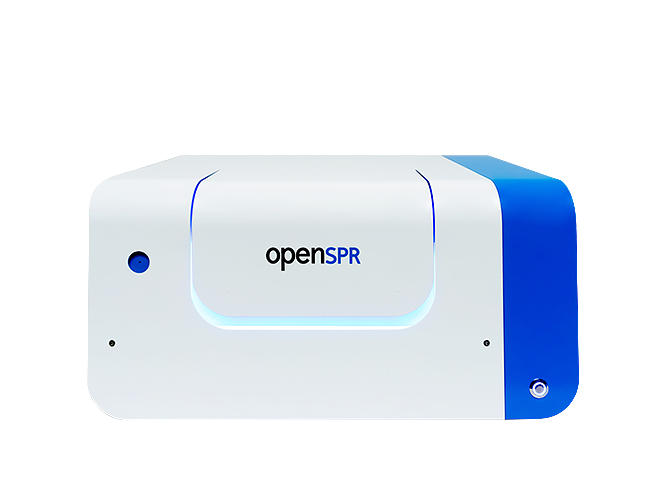
molecular interaction studies. Ideal for organizations requiring automation and increased sample throughput.
Nicoya OpenSPR – Affordable benchtop SPR system widely used by universities, research institutes, and biotechnology startups for label-free biomolecular interaction analysis and protein binding studies.
Carterra LSA – High-throughput SPR platform designed for antibody discovery, epitope binning, lead optimization, and biologics screening. A leading solution for pharmaceutical companies performing therapeutic antibody research.
Why SPR Systems Continue to Grow in Demand
As biologics, biosimilars, gene therapies, and precision medicines continue to expand, researchers require analytical technologies capable of accurately measuring increasingly complex molecular interactions. Surface Plasmon Resonance systems provide the sensitivity, reproducibility, and real-time kinetic data needed to support these advanced research applications.
Beyond pharmaceutical development, SPR technology is finding new applications in vaccine research, diagnostic development, food safety, environmental analysis, and biosensor innovation. The ability to generate detailed interaction data without labeling samples continues to make SPR one of the most versatile analytical techniques available to modern laboratories.
Investing in the Right SPR Platform
Selecting the right Surface Plasmon Resonance system can significantly improve research efficiency, accelerate drug discovery programs, and provide deeper insight into biomolecular interactions. Whether supporting antibody characterization, protein analysis, or pharmaceutical research, an SPR system represents a valuable long-term investment for laboratories focused on high-quality analytical data.
Purchasing a professionally maintained used SPR system can provide access to advanced analytical capabilities while reducing capital expenditures, allowing organizations to expand research capacity without compromising performance.
Looking for an SPR System?
Browse available SPR systems to find the right solution for your application.
info@rebio.com