
Why High-Value Industrial Equipment Shouldn’t Sit Idle
Surplus and decommissioned equipment can represent significant recoverable value for manufacturers, research facilities, biotech companies, semiconductor facilities, aerospace operations, and industrial plants. When equipment is replaced, a facility closes, or a production line is upgraded, valuable machinery and technology are often placed into storage without a clear plan for industrial equipment resale or asset recovery. Storage costs, depreciation, and technology changes can steadily reduce the amount those assets are worth. Identifying resale opportunities early gives sellers more time to reach qualified buyers and choose the right disposition strategy.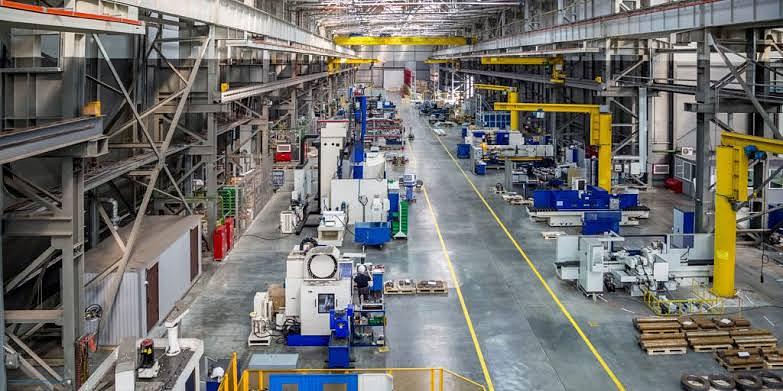
Instead of allowing those assets to depreciate, companies can sell or consign used industrial equipment to reach buyers actively searching the secondary market. Specialized equipment from recognized manufacturers can retain substantial resale value, particularly when it is complete, well maintained, and supported by documentation. Understanding which equipment categories are most valuable can help sellers determine what should be resold, consigned, liquidated, or recycled. Even equipment that is no longer useful to the original owner may still be valuable to another facility maintaining an established production or research workflow. Effective remarketing can turn idle equipment into capital while simultaneously freeing valuable floor and storage space.
Why Equipment Consignment Can Maximize Asset Recovery
For owners of specialized or high-value equipment, equipment consignment can offer a stronger alternative to an immediate liquidation or low-price direct sale. Rather than accepting a quick offer, consignment gives equipment more time and exposure in the secondary industrial equipment market, helping connect assets with buyers who understand their application, configuration, and true market value.
A professional industrial equipment consignment program can also reduce the workload placed on internal teams. The consignment partner may handle photography, listings, buyer inquiries, marketing, negotiation, and sale coordination, allowing the seller to focus on facility operations while the equipment is actively marketed. This is particularly useful for laboratory equipment, semiconductor systems, aerospace test equipment, CNC machinery, robotics, and specialized process equipment, where the right buyer may be highly specific.
Consignment can also improve pricing flexibility. Equipment can be marketed across multiple channels and to a broader buyer network instead of being restricted to a single auction or local market. For sellers that are not under an immediate removal deadline, consigning surplus industrial equipment can provide a better balance between convenience, market exposure, and potential recovery value.
What Makes Used Industrial Equipment Valuable?
The value of used industrial equipment depends on much more than its original purchase price. Brand recognition, age, condition, configuration, current demand, replacement cost, and availability of parts can all influence industrial equipment resale value. Specialized systems with high new-equipment costs often have particularly strong secondary-market potential. Equipment with long OEM lead times can also become especially attractive to buyers who need to expand or replace a system quickly. Continued manufacturer support, available consumables, and compatibility with existing installations can further strengthen demand.
Completeness can also make a major difference. Accessories, controllers, computers, pumps, tooling, software, and supporting components can transform an incomplete machine into a desirable complete equipment system. Sellers should therefore avoid separating components until they understand how the equipment is typically purchased and used. Detailed photographs, model numbers, serial numbers, and service information also make it easier for buyers to accurately assess an asset. Properly documenting a complete configuration can improve both buyer confidence and the likelihood of achieving a stronger resale price.
Some of the strongest resale candidates generally share several characteristics:
- High original acquisition or replacement cost
- Strong demand from specialized industrial or research buyers
- Recognizable manufacturers and established model families
- Long usable service lives with continued parts or consumable availability
Laboratory, Biotech & Pharmaceutical Equipment
Used laboratory and biotech equipment can be one of the most valuable categories in a facility liquidation, particularly when dealing with advanced analytical and bioprocessing systems. Pharmaceutical companies, biotech startups, CROs, universities, and research laboratories regularly purchase equipment through the secondary laboratory equipment market to reduce capital expenditures. Many of these systems carry original purchase prices ranging from tens of thousands to hundreds of thousands of dollars, creating significant opportunities for sellers. Growing demand for cost-effective laboratory expansion also supports a strong market for proven, pre-owned instrumentation.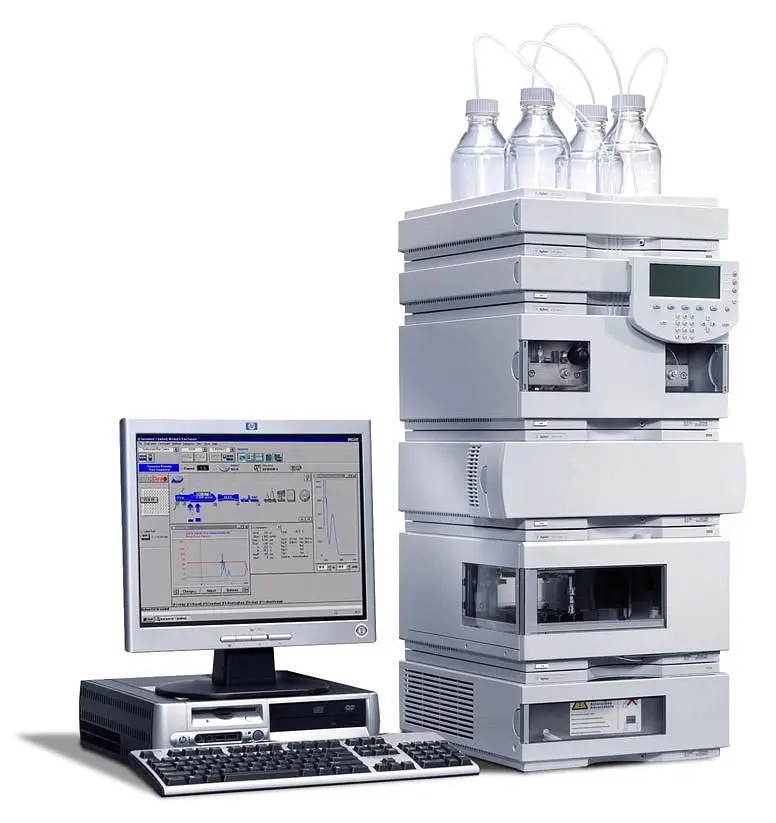
High-value assets can include HPLC and UHPLC systems, mass spectrometers, chromatography systems, flow cytometers, bioreactors, centrifuges, CO2 incubators, microscopes, spectrophotometers, and automated liquid handling systems. Systems from manufacturers such as Agilent, Waters, Thermo Scientific, Cytiva, Beckman Coulter, Sartorius, and SCIEX can attract buyers when configurations remain relevant. More specialized equipment, including protein characterization systems, high-throughput analyzers, and downstream bioprocess skids, may also retain substantial value. Demand is often strongest for equipment that can be integrated into existing laboratories without requiring a complete change in established methods.
For sellers, keeping modules and accessories together is particularly important in this category. A complete chromatography or mass spectrometry system may have considerably more marketability than individual modules sold separately. Computers, software licenses, vacuum pumps, detectors, fraction collectors, and autosamplers can materially affect the usefulness of the overall system. Before dismantling a laboratory, sellers should identify which components belong together and photograph complete configurations whenever possible.
Semiconductor & Electronics Manufacturing Equipment
The used semiconductor equipment market can provide substantial asset recovery opportunities because semiconductor fabrication, electronics manufacturing, and testing rely on expensive specialized equipment. As facilities upgrade production capabilities, older systems may still be valuable to manufacturers, R&D organizations, component producers, and international buyers. Semiconductor equipment can remain relevant for years in facilities producing mature process nodes or specialized electronic components. This creates a secondary market where older technology can retain value long after it has been replaced at leading-edge fabs.
Potentially valuable assets include semiconductor test equipment, wafer inspection systems, probe stations, metrology equipment, precision imaging systems, power supplies, environmental test equipment, electronic measurement instruments, and automated production equipment. Specialized controllers, cameras, motion systems, and spare assemblies may also carry significant resale value even when a larger production line has been retired. Test and measurement equipment from established manufacturers can attract particularly broad interest because it often serves multiple electronics and engineering applications. Sellers should not assume that smaller modules or replacement assemblies lack value simply because they were originally part of a much larger system.
Before recycling semiconductor or electronic equipment, facilities should evaluate its secondary market value. Small or seemingly obsolete components can sometimes be difficult to replace and therefore valuable to organizations maintaining existing production systems. Original packaging, part numbers, firmware information, and compatible accessories can make these assets substantially easier to market. A detailed inventory can help separate low-value electronic scrap from components that warrant direct resale or consignment.
CNC Machines, Robotics & Manufacturing Automation
Used CNC machinery and industrial automation equipment remain important categories within the secondary industrial equipment market. CNC mills, lathes, machining centers, robotic systems, automated assembly equipment, and precision manufacturing tools can represent major capital investments and may retain meaningful value long after installation. Buyers often turn to the used manufacturing equipment market to avoid the cost and lead times associated with new machinery. Proven systems can be especially attractive for companies adding production capacity, creating backup capabilities, or expanding into new manufacturing processes.
Industrial robots and automation systems can be particularly attractive when controllers, teach pendants, cables, end-of-arm tooling, and related hardware remain with the system. Buyers frequently evaluate the entire configuration rather than simply the robot or machine itself. Complete automation cells may also include vision systems, safety hardware, conveyors, motion controllers, and custom fixtures that add resale value. Preserving those components together can make the difference between selling a complete production solution and marketing miscellaneous automation parts individually.
Condition, operating hours, control generation, tooling, and maintenance history can strongly influence resale potential. Facilities planning production-line upgrades should therefore consider equipment consignment or direct equipment sales before scrapping functional automation assets. Clear records showing hours, service intervals, and recent repairs help prospective buyers understand remaining service life. Video demonstrations of machines or robots operating can also significantly improve buyer confidence when equipment is still installed and functional.
Aerospace, Aviation & Precision Test Equipment
Aerospace and aviation facilities often contain highly specialized test, measurement, inspection, and manufacturing equipment with strong secondary-market potential. These assets can be expensive to purchase new and may have relatively limited availability, creating opportunities for sellers with desirable equipment. Buyers may include MRO providers, aerospace manufacturers, defense contractors, research organizations, and specialty engineering firms. For scarce or discontinued test equipment, the availability of a compatible used system can be more important than acquiring the newest generation.
Examples include avionics test equipment, aerospace tooling, environmental test chambers, vibration systems, optical inspection equipment, precision measurement instruments, ground support equipment, and electronic test systems. Equipment used for aerospace R&D and component manufacturing can also overlap with semiconductor, electronics, and advanced materials markets. This crossover broadens the potential buyer pool for certain test and measurement assets. High-quality thermal imaging systems, data acquisition platforms, and specialized metrology equipment can also retain value across several technical industries.
Documentation becomes especially important with specialized equipment. Model numbers, serial numbers, calibration history, accessories, manuals, and clear photographs can make it easier for qualified buyers to evaluate an asset and can improve its resale prospects. Where applicable, information about software versions, configuration options, and previous applications can further distinguish one system from another. Sellers who organize this information before decommissioning often make the equipment considerably easier to market internationally.
Industrial Process & Production Equipment
Large-scale industrial process equipment can represent substantial recoverable value during plant closures, production changes, or facility consolidations. Pumps, filtration systems, compressors, chillers, vacuum equipment, process skids, welding systems, and specialized production machinery may have applications well beyond their original facility. Equipment used in chemical processing, food production, pharmaceutical manufacturing, energy, and general manufacturing can often move between industries when specifications are compatible. This wider range of potential applications can make certain process assets particularly attractive for resale.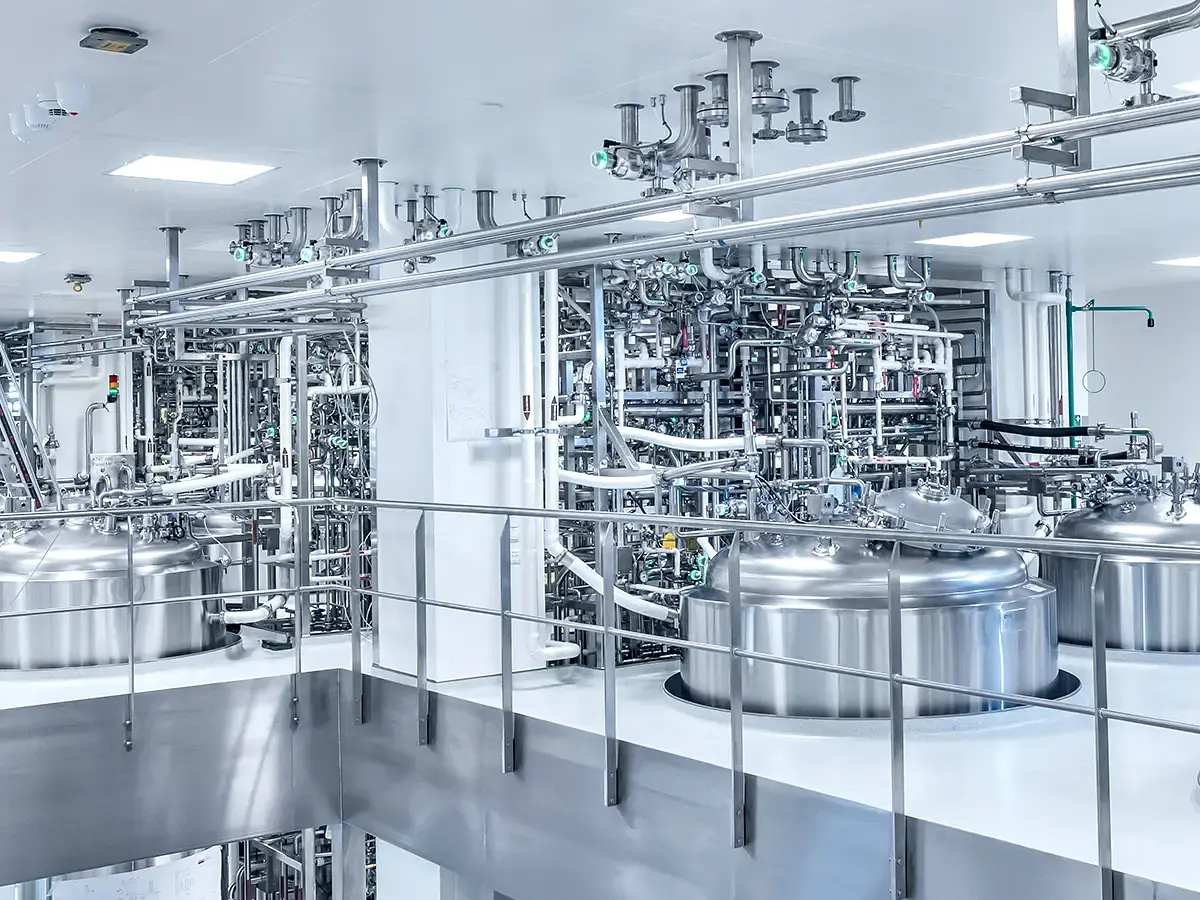
Equipment with broad industrial compatibility is often easier to remarket because potential buyers span multiple sectors. Highly specialized systems can also command strong prices when the right buyer is located, although they may require more targeted marketing. Stainless-steel process skids, filtration systems, industrial chillers, pumps, and vacuum systems can be especially appealing when capacity, materials of construction, and operating specifications are clearly documented. Buyers frequently compare these specifications against the cost and lead time of designing a comparable new system.
This is where industrial equipment consignment can be particularly useful. Rather than accepting a quick liquidation price, sellers can expose specialized assets to a wider network of buyers while allowing more time to find an organization that understands the equipment's true application and value. Consignment can also reduce the internal workload associated with photographing, listing, marketing, negotiating, and coordinating equipment sales. For high-value niche machinery, the additional market exposure can be worth considerably more than pursuing the fastest possible sale.
Should You Sell, Consign, Liquidate, or Recycle Equipment?
Not every surplus asset should follow the same disposition strategy. Direct equipment sales may make sense when a facility wants immediate asset recovery, while equipment consignment can be attractive for specialized or higher-value systems where maximizing the eventual selling price is more important than immediate payment. The best approach depends on equipment value, market demand, available time, facility deadlines, and removal requirements. Evaluating these factors before listing assets can prevent valuable equipment from being sold through a channel that does not reach the right buyers.
A larger industrial equipment liquidation may be appropriate when an entire facility, laboratory, production line, or department needs to be cleared within a defined timeframe. Recycling is generally better reserved for equipment with limited resale potential, severe damage, or little remaining market demand. Auctions can also be useful for larger quantities of assets where a fixed disposition timeline is important. In many facility closures, the strongest strategy is a combination of direct sales, consignment, auction, and recycling rather than relying on only one method.
Before deciding, sellers should evaluate:
- Equipment condition, completeness, and documentation
- Current used equipment market demand
- Removal, rigging, storage, and transportation requirements
- Potential resale value versus the need for a fast facility clearance
The right disposition method can significantly affect the total amount recovered from surplus assets. High-value analytical systems may benefit from targeted consignment, while common industrial machinery may move faster through direct resale or auction. A professional equipment evaluation can help identify these differences before assets are removed or dismantled.
Why the Secondary Equipment Market Creates Opportunities for Sellers
Demand for used and refurbished industrial equipment is driven largely by organizations looking to reduce capital costs, shorten procurement timelines, and access systems that may be difficult or expensive to purchase new. This creates an active market for equipment coming out of facility closures, laboratory consolidations, manufacturing upgrades, and surplus inventory programs. Buyers are not limited to startups or budget-constrained companies; established organizations also use the secondary market to add capacity or replace systems quickly. In some cases, used equipment is the only realistic way to source a discontinued model required for an existing validated process.
For sellers, reaching those specialized buyers is critical. A piece of equipment that appears obsolete within one facility may be exactly what another manufacturer or research laboratory needs to expand capacity, replace a failed system, or maintain an established workflow. International demand can also dramatically expand the potential market for specialized industrial and laboratory assets. The more niche the equipment, the more important targeted marketing becomes in finding the buyer who understands its true value.
Proper identification, photography, condition assessment, and targeted marketing can therefore make a significant difference in used equipment resale value. The goal is not simply to remove surplus equipment—it is to connect each valuable asset with the market most likely to pay for it. Detailed listings that include model numbers, accessories, operational status, and application information typically attract more qualified inquiries. Sellers who begin this process before equipment is disconnected or moved can also provide better documentation and operating evidence to prospective buyers.
Turn Surplus Equipment Into Recoverable Value
Have surplus laboratory, biotech, semiconductor, aerospace, or industrial equipment taking up valuable space? ReBio.com can help you sell or consign used equipment and connect high-value assets with buyers across the secondary market.
If your organization is planning an upgrade, facility move, or equipment refresh, now is the perfect time to evaluate your unused assets.
Visit us at ReBio.com to request a free valuation.