
Why AI Hardware Is Becoming a High-Value Resale Category
The rapid expansion of artificial intelligence is creating an increasingly active secondary market for used AI computing hardware. Data centers, AI startups, cloud providers, research organizations, and enterprise IT teams continue to invest heavily in GPU servers, AI accelerators, high-performance computing equipment, and data center infrastructure, while existing operators regularly upgrade to newer generations of hardware. Recent industry results continue to show strong demand for AI computing capacity and ongoing investment in AI infrastructure.
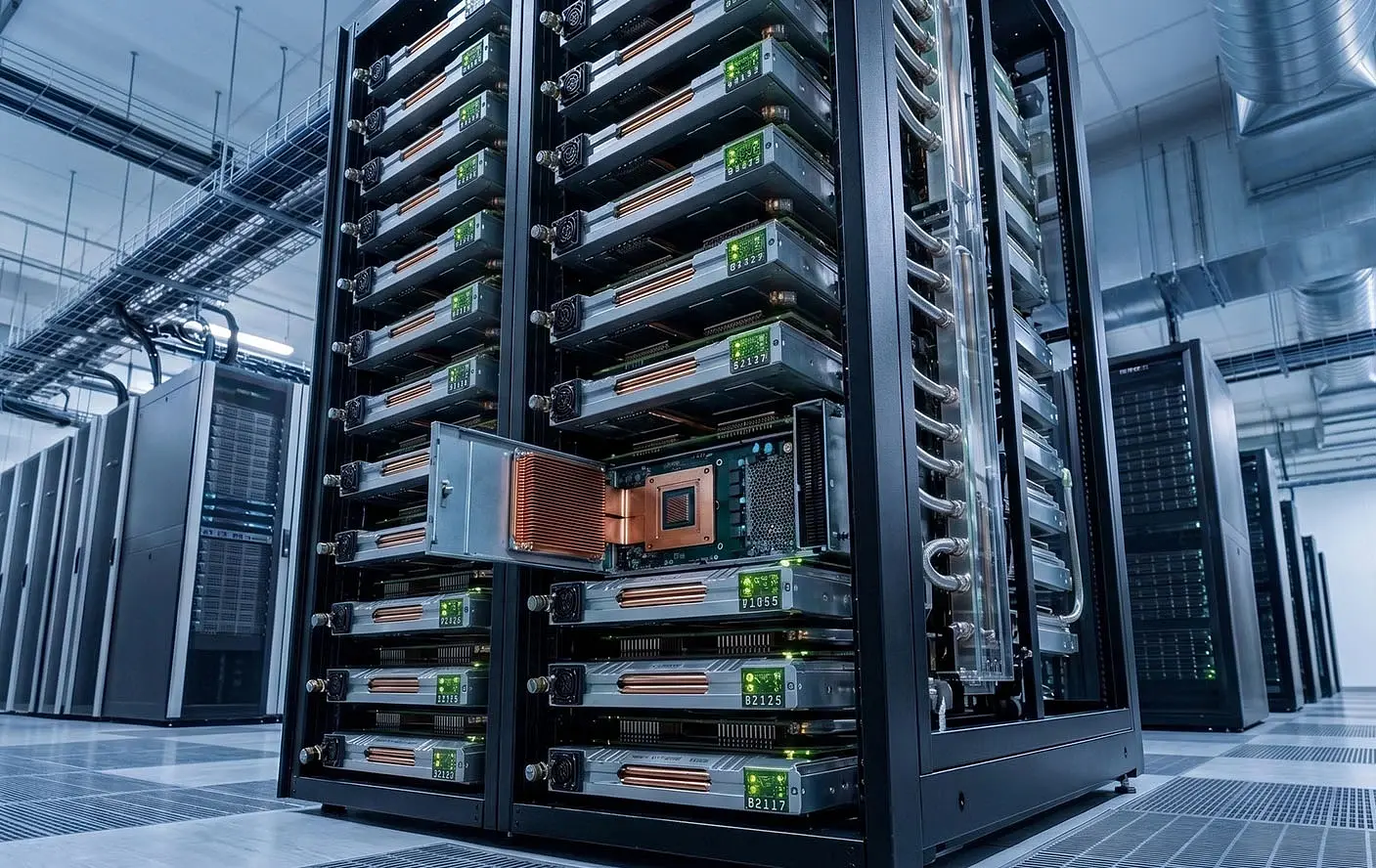
For equipment owners, this creates an opportunity. Used NVIDIA GPUs, AI servers, HPC systems, enterprise storage, and networking equipment may still carry significant resale value even after they are removed from a primary deployment. Rather than allowing expensive computing assets to sit idle, organizations can pursue AI hardware resale, equipment consignment, or data center asset recovery while buyer demand remains active.
Timing is especially important in this market. AI hardware evolves quickly, but newer technology does not immediately eliminate demand for previous-generation equipment. Sellers that evaluate surplus hardware shortly after an infrastructure upgrade are often in a stronger position to reach organizations looking for more affordable and readily available AI computing capacity.
Why Consignment Makes Sense for AI Hardware Sellers
For high-value AI servers and data center equipment, consignment can provide an attractive alternative to accepting a quick wholesale offer or recycling equipment prematurely. AI hardware consignment gives specialized assets more time to reach buyers who understand their configuration, performance capabilities, and application value.
This is particularly important with GPU-dense servers, NVIDIA data center GPUs, AMD Instinct accelerators, and complete HPC systems, where configuration can dramatically affect marketability. A professional consignment partner can handle identification, photography, technical listings, marketing, buyer inquiries, and transaction coordination while exposing the equipment to a broader used AI hardware market.
Keeping complete configurations together can also improve resale potential. GPUs, server chassis, CPUs, memory, NVMe storage, networking cards, power supplies, rails, and supporting accessories may be significantly more attractive as a complete AI computing system than as disconnected components.
AI Computing Hardware With Strong Secondary-Market Potential
Not every piece of data center equipment carries the same value. Sellers should pay particular attention to enterprise AI accelerators and GPU computing systems, especially hardware originally designed for machine learning, generative AI, inference, and high-performance computing.
Popular categories worth evaluating include:
- NVIDIA data center GPUs such as the A100, H100, and H200, designed for AI and HPC workloads. NVIDIA positions both the H100 and H200 for demanding generative AI and high-performance computing applications.
- GPU servers and AI compute systems such as NVIDIA DGX platforms, Dell PowerEdge XE9680 servers, and GPU-dense Supermicro systems. Dell's XE9680 platform is an eight-GPU accelerated server designed for large-scale AI workloads.
- AMD Instinct AI accelerators, including MI300X systems, which are designed for generative AI and HPC and can be deployed in eight-GPU platforms.
- Supporting AI data center infrastructure, including high-speed networking hardware, enterprise NVMe storage, server memory, power equipment, cooling components, and other HPC infrastructure.
For sellers, the important point is to evaluate the complete AI infrastructure configuration before breaking it apart. A functioning GPU server with memory, storage, accelerators, networking, and rails may appeal to a different—and potentially more valuable—buyer segment than individual parts.
Why Previous-Generation AI Hardware Can Still Hold Value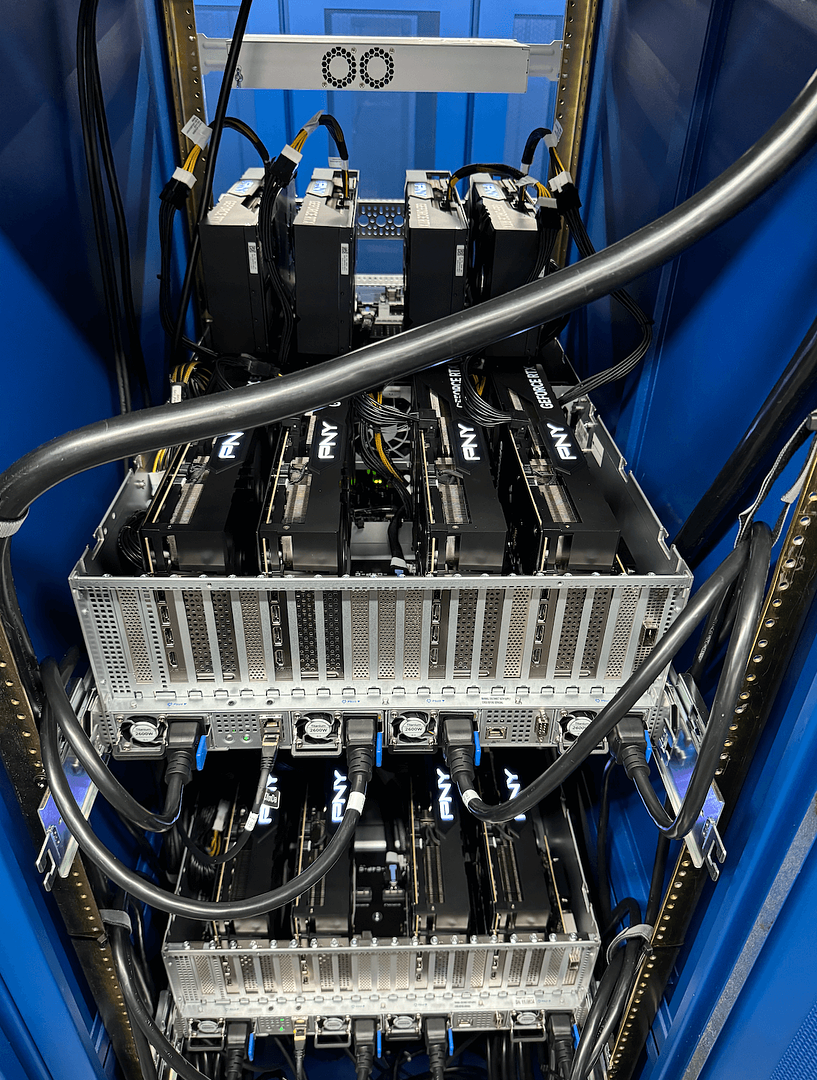
One of the biggest misconceptions in the AI equipment market is that a GPU loses all commercial relevance as soon as a newer generation launches. In reality, different AI workloads have very different performance requirements. Frontier model training may favor the latest accelerators, while AI inference, fine-tuning, research computing, machine learning development, rendering, simulation, and enterprise AI workloads can continue to make use of older hardware.
A notable current example is NVIDIA's A100, introduced in 2020. CoreWeave disclosed in August 2026 that it had signed an A100 contract extending into 2029, providing evidence that previous-generation AI accelerators can retain economic usefulness years after their introduction.
Infrastructure compatibility can further extend useful life. Existing data centers may already have the power, cooling, networking, and rack infrastructure required for previous-generation GPU servers, while installing newer high-density systems can require significant facility upgrades. That creates an additional buyer base for used AI servers and previous-generation data center GPUs that can be deployed within existing infrastructure.
What Determines Used AI Hardware Resale Value?
The resale value of used AI computing equipment depends on much more than the GPU model printed on the chassis. Buyers evaluate the entire system, including accelerator quantity, GPU memory, CPU configuration, system RAM, storage capacity, networking, power requirements, cooling architecture, and overall equipment condition.
Configuration documentation is therefore extremely important. Sellers should preserve server service tags, serial numbers, GPU part numbers, memory configurations, storage specifications, networking details, firmware information, and available maintenance records whenever possible. Clear photographs of the front, rear, internal configuration, data plates, and installed components also help buyers accurately evaluate equipment.
Operational status can have an equally large impact. A complete server that can be demonstrated booting and recognizing all installed GPUs provides buyers with considerably more information than an unidentified chassis sitting on a pallet. For large AI server liquidation or data center decommissioning projects, documenting equipment before systems are powered down can therefore improve resale readiness.
When Is the Best Time to Sell Surplus AI Hardware?
AI computing equipment is a technology asset, so waiting too long can reduce resale opportunities. When an organization upgrades from one accelerator generation to another, the outgoing equipment may still have substantial demand from buyers seeking lower-cost AI infrastructure. Leaving those systems in storage for several years can expose sellers to additional depreciation, changing software requirements, and declining buyer interest.
At the same time, rapid new-product introductions do not mean every previous generation becomes obsolete overnight. The continued commercial use of older accelerator generations demonstrates that AI hardware lifecycle management is more nuanced than simply replacing every system when a new GPU becomes available.
The strongest approach is typically to evaluate equipment as soon as it becomes surplus. This gives sellers more flexibility to choose between direct sale, AI hardware consignment, bulk data center liquidation, or component-level resale rather than being forced into a quick disposition after market conditions have changed.
Data Center Upgrades Are Creating New Resale Opportunities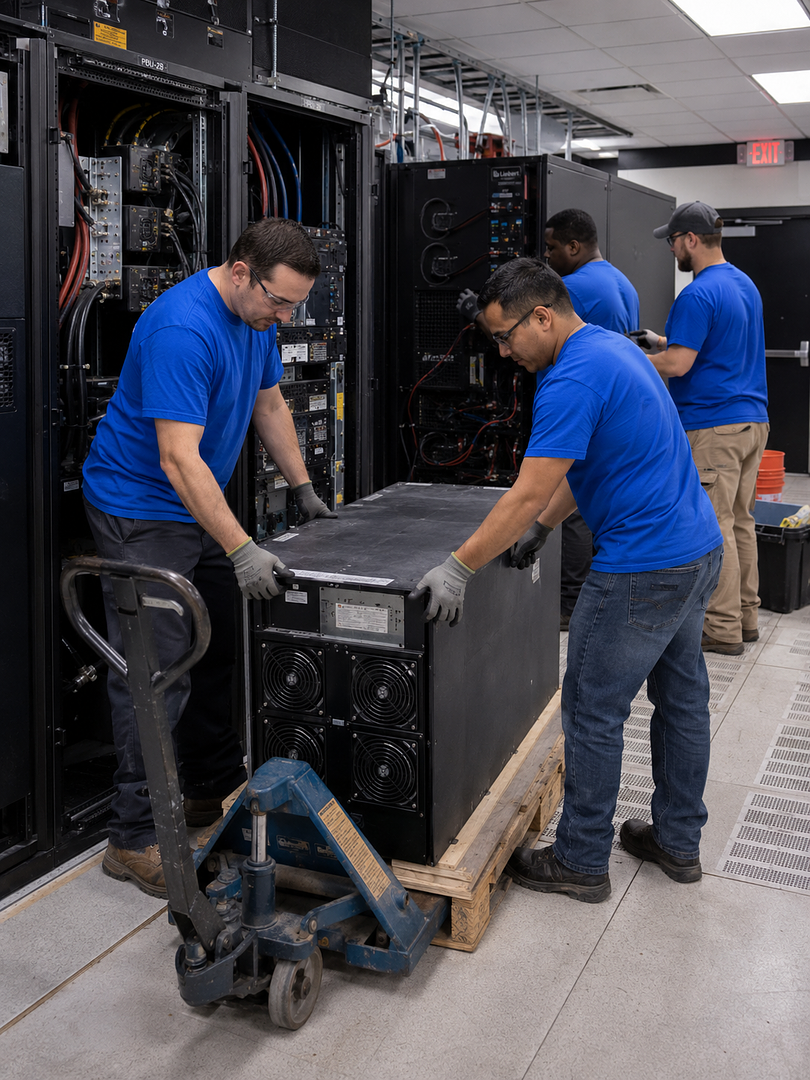
As AI infrastructure expands, data centers are deploying increasingly specialized computing systems. Current platforms span NVIDIA Hopper and newer architectures as well as AMD Instinct systems, while major server manufacturers continue to build increasingly GPU-dense configurations for AI training and inference.
Every infrastructure refresh potentially creates another generation of surplus AI computing hardware. GPUs, servers, storage, switches, power equipment, and supporting components removed from hyperscale or enterprise environments may be suitable for research organizations, smaller AI companies, universities, rendering operations, engineering firms, and other HPC users.
This creates an important opportunity for companies managing data center decommissioning, cloud infrastructure upgrades, AI lab closures, or enterprise hardware refreshes. Evaluating equipment for resale before recycling or bulk disposal can uncover significant recoverable asset value.
Sell, Consign, or Liquidate Used AI Equipment?
The right disposition strategy depends on the equipment and the seller's timeline. A direct sale of AI computing hardware may be appropriate when immediate recovery and fast removal are priorities. Equipment consignment can make more sense for high-value GPU servers or specialized configurations where broader marketing and additional sales time may help reach the right buyer.
For larger deployments, data center equipment liquidation may combine several approaches. High-value GPU servers can be individually marketed or consigned, while supporting servers, switches, storage, racks, and power equipment can be sold in groups or lots. Low-value or nonfunctional hardware can then be directed toward responsible electronics recycling.
Before choosing a method, sellers should evaluate:
- GPU model, server configuration, condition, and completeness
- Current secondary-market demand for AI hardware
- Quantity of equipment and facility removal deadlines
- Whether maximizing recovery value or achieving immediate clearance is the priority
A structured approach helps prevent valuable AI computing assets from being treated as ordinary IT surplus.
The Opportunity for AI Hardware Sellers Is Growing
The growth of AI infrastructure is creating a broader lifecycle for computing assets. New systems continue to enter the market while previous-generation GPUs remain useful for workloads that do not require frontier-level performance. That combination creates opportunities for both buyers seeking cost-effective AI computing hardware and sellers looking to recover capital from surplus infrastructure.
For data centers, technology companies, research facilities, and enterprise IT departments, used AI hardware resale and consignment should increasingly be considered part of the equipment lifecycle rather than an afterthought. Properly identifying and marketing GPU servers before they become obsolete can turn a costly infrastructure refresh into a meaningful asset recovery opportunity.
Ready to Resell Your AI Computing Hardware?
Have surplus GPU servers, NVIDIA or AMD AI accelerators, HPC systems, or data center equipment?
If your organization is planning an upgrade, facility move, or equipment refresh, now is the perfect time to evaluate your unused assets.
Visit us at ReBio.com to request a free valuation.