
Automated pipetting systems have become essential tools in modern laboratories where accuracy, repeatability, and high sample throughput are critical. By automating repetitive liquid transfer tasks, these systems help reduce manual pipetting errors, improve workflow consistency, and increase productivity across molecular biology, genomics, pharmaceutical research, clinical diagnostics, biotechnology, and academic laboratories.
For buyers comparing automated pipettes, robotic pipetting systems, liquid handling workstations, and used laboratory automation equipment, the right platform can significantly improve efficiency while lowering hands-on labor requirements. The best system depends on throughput, plate format, liquid volume range, software flexibility, and the complexity of the intended workflow.
What Is an Automated Pipetting System?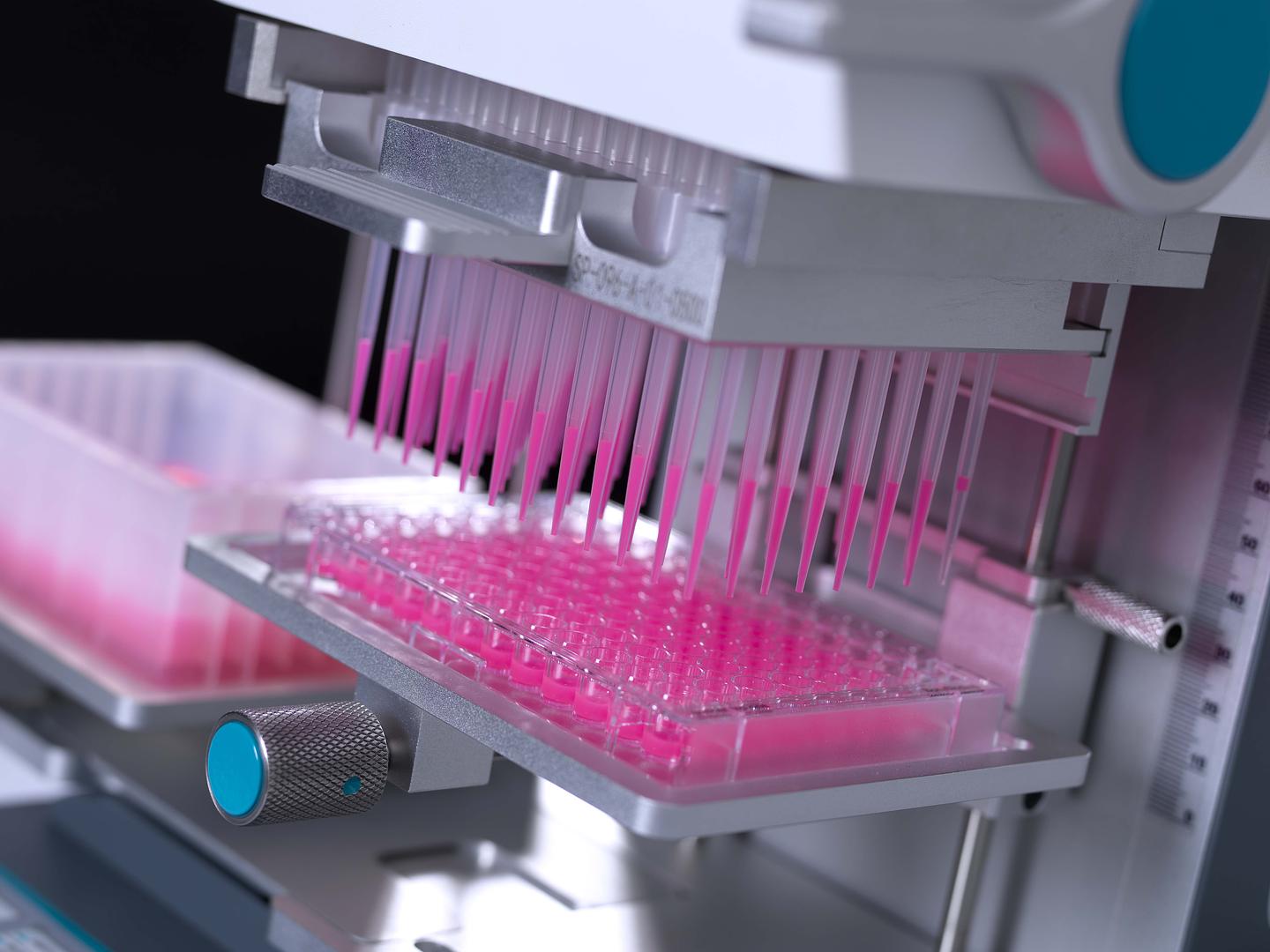
An automated pipetting system is a laboratory instrument that transfers liquids between tubes, microplates, reservoirs, or other vessels using programmable robotic controls. Unlike manual pipettes, these systems can perform repeated dispensing and aspiration steps with much greater consistency over large numbers of samples.
Automated pipettors are commonly used for sample transfer, reagent dispensing, plate setup, serial dilution, assay preparation, and other liquid handling workflows. Many systems can be programmed to execute multi-step protocols with minimal operator intervention, helping laboratories standardize routine procedures.
For buyers, one of the biggest advantages is scalability. A laboratory can move from manually preparing a small number of samples to processing dozens or hundreds of wells in a repeatable automated workflow without proportionally increasing labor.
Why Laboratories Use Automated Pipetting
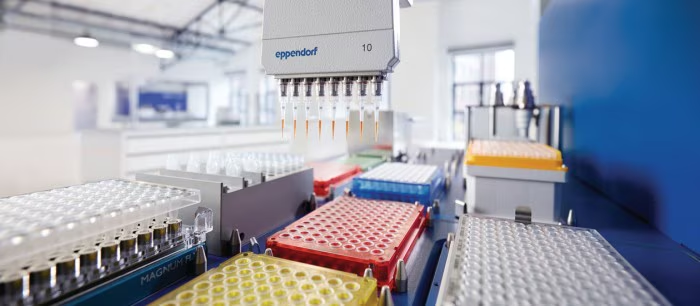
Manual pipetting remains useful for small experiments, but repetitive liquid handling can become time-consuming and inconsistent as sample volume increases. Automated liquid handling systems help laboratories maintain accuracy and repeatability while reducing the amount of technician time devoted to routine transfer steps.
Key benefits include:
- Improved pipetting consistency
- Higher sample throughput
- Reduced operator variability
- Lower hands-on labor requirements
- Better workflow standardization
- Reduced risk of repetitive strain
- Faster plate preparation
Automation is especially valuable in workflows that require the same transfer pattern to be repeated across multiple plates or batches. By automating these steps, laboratories can spend more time on analysis, method development, and higher-value research activities.
Common Applications
Automated pipetting systems are used across a wide range of life science and analytical workflows.
Common applications include:
- PCR and qPCR setup
- DNA and RNA workflows
- Next-generation sequencing preparation
- ELISA and immunoassay setup
- Sample normalization
- Serial dilution
- Reagent dispensing
- Cell-based assay preparation
- Drug discovery screening
- Clinical research workflows
These systems are commonly found in biotechnology companies, pharmaceutical laboratories, universities, CROs, molecular biology labs, and diagnostic research environments. Their flexibility makes them useful anywhere repetitive liquid transfer is slowing down laboratory throughput.
Automated Pipettes vs. Manual Pipettes
The biggest difference between an automated pipetting system and a manual pipette is repeatability at scale. Manual pipettes depend heavily on operator technique, especially when performing hundreds of transfers over long periods of time.
Automated systems execute programmed movements and dispense volumes consistently across multiple samples. This can reduce variability between operators and help laboratories create more standardized procedures.
Manual pipettes still make sense for low-volume, irregular, or one-off tasks. Automated pipetting becomes more valuable when workflows are repetitive, sample volumes are high, or consistency is more important than maximum flexibility.
What Buyers Should Consider
When purchasing a used automated pipetting system, buyers should evaluate how well the instrument matches their actual laboratory workflow.
Important considerations include:
- Supported volume range
- Number of pipetting channels
- Plate and tube compatibility
- Throughput requirements
- Software availability
- Protocol flexibility
- Tip compatibility
- Included accessories
- System condition
- Availability of replacement parts
Buyers should also consider how easy the system is to integrate into existing workflows. A highly capable robotic platform may be unnecessary for a laboratory that only needs repeatable plate-to-plate transfers, while a simple system may become limiting if the lab expects to scale rapidly.
Complete used systems can offer much better value when they include racks, tip holders, software, controllers, cables, and original accessories. Missing components can add cost and make installation more difficult.
Recommended Automated Pipetting Systems
Below are several popular automated pipetting and liquid handling systems used in biotechnology, pharmaceutical research, molecular biology, and laboratory automation environments.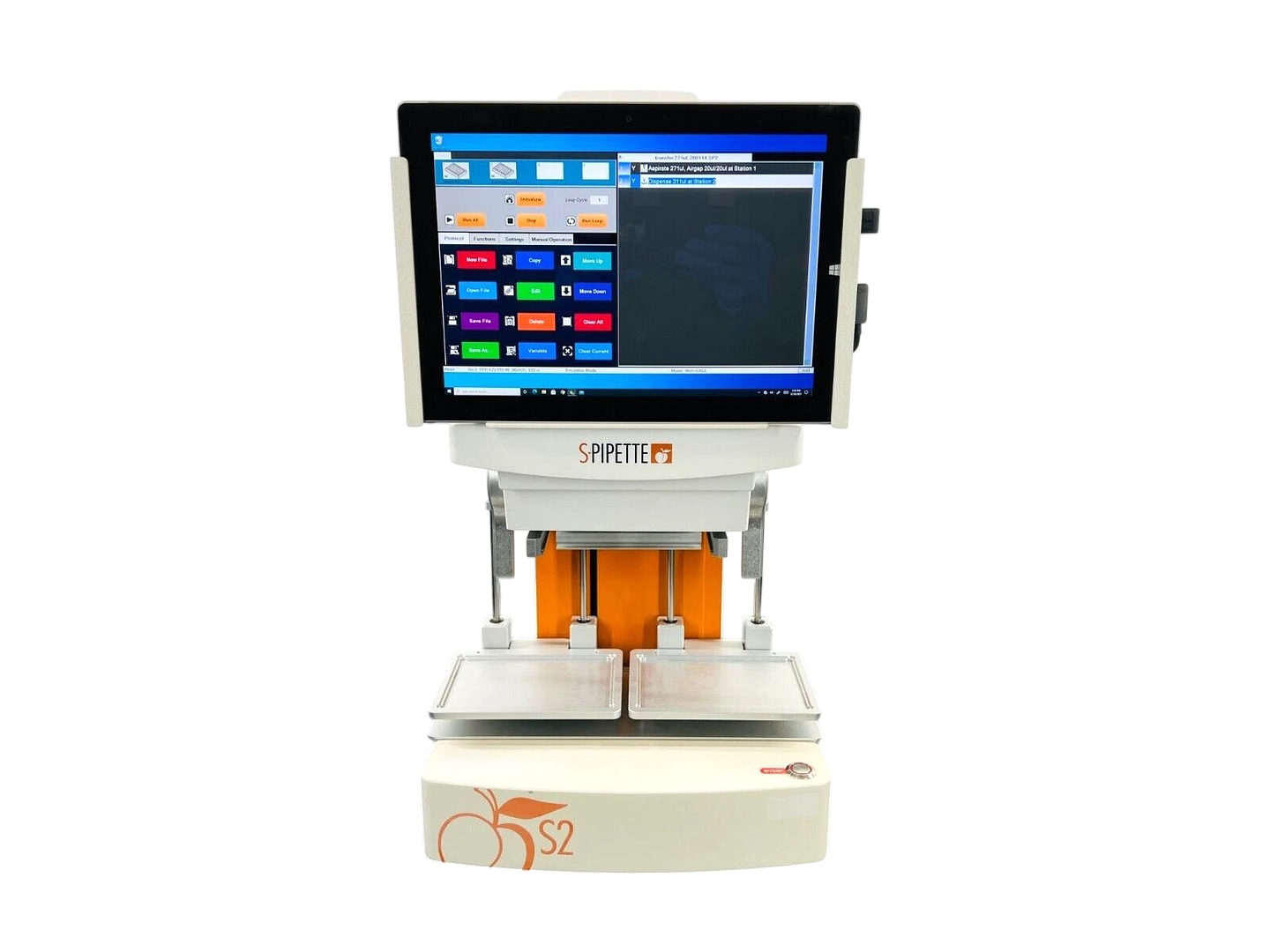
Apricot Designs S2 Automated Liquid Handling System – A compact automated pipetting platform designed for programmable liquid transfer and plate-based workflows. The S2 is a strong option for laboratories that need reliable automated pipetting without the size or complexity of a larger robotic workstation.
Hamilton Microlab STAR – A widely used robotic liquid handling platform for high-throughput sample preparation, assay setup, genomics, drug discovery, and complex automated workflows.
Tecan Freedom EVO – Popular automated liquid handling workstation used in life science research, diagnostics, pharmaceutical development, and high-throughput laboratory environments.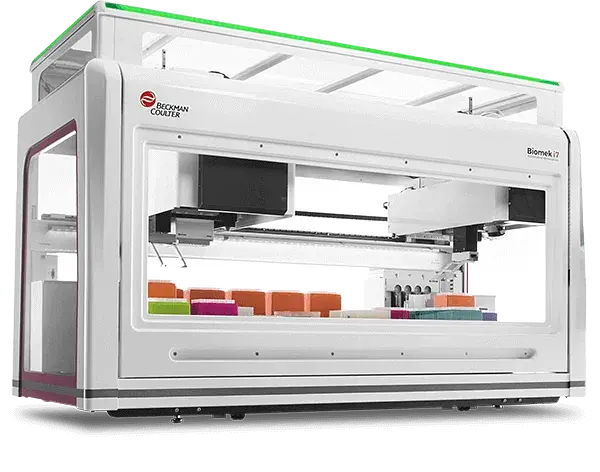
Beckman Coulter Biomek Series – Flexible laboratory automation systems designed for genomic workflows, sample preparation, assay setup, and high-throughput liquid handling.
Eppendorf epMotion Series – Automated pipetting systems commonly used for PCR setup, sequencing preparation, nucleic acid workflows, and routine plate-based liquid handling.
Why Used Automated Pipetting Systems Can Be a Smart Buy
New laboratory automation systems can represent a substantial capital investment. Purchasing a used automated pipetting system can give laboratories access to proven automation technology at a significantly lower acquisition cost.
Used systems are especially attractive for startups, academic labs, expanding biotechnology companies, and facilities adding capacity without needing the newest generation of hardware. Many older automated pipetting platforms remain highly capable for routine plate preparation, reagent dispensing, and sample transfer.
For buyers, the key is to focus on condition, completeness, software availability, and consumable support rather than age alone. A tested and complete used system can provide strong long-term value when it fits the intended workflow.
Why Demand for Automated Pipetting Continues to Grow
The growth of genomics, molecular diagnostics, biologics, drug discovery, and high-throughput screening is increasing demand for automated liquid handling equipment. Laboratories are under pressure to process more samples while maintaining consistency and reducing turnaround times.
Automated pipetting helps address these challenges by standardizing repetitive liquid handling tasks and increasing throughput without requiring the same increase in manual labor. As research organizations scale, automation often becomes one of the most practical ways to improve productivity.
The continued expansion of multiwell plate workflows and data-driven laboratory processes is also making automated pipetting more important. Buyers increasingly look for flexible platforms that can support current protocols while still accommodating future growth.
Choosing the Right Automated Pipetting System
The best automated pipetting system is the one that matches the laboratory’s actual sample volume, workflow complexity, and throughput requirements. Buyers should prioritize usable functionality over unnecessary automation features.
For smaller labs, a compact system such as the Apricot Designs S2 may provide the right balance of automation and simplicity. Larger pharmaceutical, genomics, or screening laboratories may benefit from more advanced multi-channel robotic workstations.
By comparing volume range, software, plate compatibility, throughput, included accessories, and overall condition, buyers can find a system that improves productivity without overspending on capabilities they do not need.
Looking for Automated Pipetting & Liquid Handling Systems?
Explore our inventory of used automated pipettes, robotic liquid handlers, laboratory automation systems, and sample preparation equipment, or consign your surplus laboratory equipment to connect with qualified buyers.
Visit us at ReBio.com to request a free valuation.