
Capillary electrophoresis analyzers are widely used in biotechnology, pharmaceutical development, clinical research, proteomics, genomics, and quality control laboratories for high-resolution separation and analysis of biomolecules. These systems separate compounds based on charge and size inside narrow capillaries, offering fast analysis, strong reproducibility, and relatively low sample and reagent consumption.
For buyers comparing capillary electrophoresis systems, CE analyzers, protein characterization instruments, DNA analysis systems, and used laboratory analyzers, the right platform can improve workflow efficiency while supporting applications ranging from protein purity testing to nucleic acid analysis. Important factors include detection technology, capillary format, automation level, software support, sample throughput, and compatibility with the intended assay.
What Is a Capillary Electrophoresis Analyzer?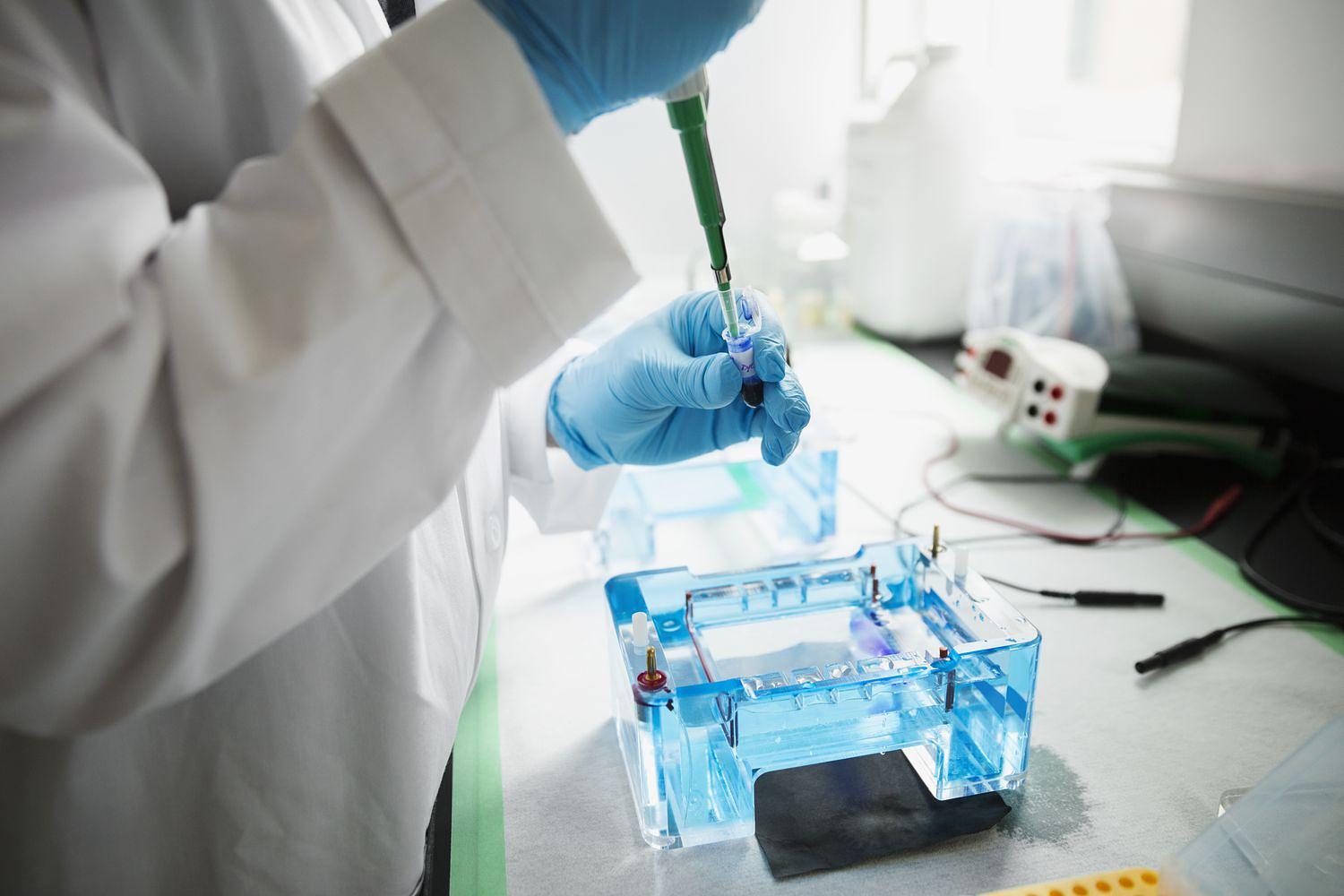
A capillary electrophoresis analyzer is an analytical instrument that separates charged molecules by applying an electric field across a narrow capillary filled with a conductive buffer. Molecules migrate through the capillary at different rates depending on factors such as charge, size, and interaction with the separation medium. The resulting separation can then be detected and analyzed to provide information about composition, purity, size, or molecular variation. Different CE methods can be configured for proteins, nucleic acids, peptides, and other analytes.Compared with traditional slab-gel electrophoresis, CE systems can provide faster separations, better automation, and more precise quantitative analysis. Many instruments also support automated sample injection, temperature control, multiple detection modes, and software-based data analysis.
These advantages make capillary electrophoresis especially valuable in regulated and high-throughput environments where laboratories need consistent results across repeated runs. For buyers, the technology offers a strong balance between analytical performance, automation, and operating efficiency. A single CE platform may also support multiple analytical methods, which can reduce the need for separate instruments. This can be particularly valuable for biotechnology and pharmaceutical laboratories looking to consolidate workflows.
Why Laboratories Use Capillary Electrophoresis
Capillary electrophoresis is popular because it can deliver high-resolution separations with very small sample volumes. This is useful when sample material is limited or when repeated testing is required across multiple development or QC stages. Lower sample consumption can be especially important when working with expensive biologics, limited clinical samples, or early-stage development material. The narrow capillary format can also reduce reagent use compared with some conventional separation methods.The technique is especially effective for analyzing proteins, peptides, nucleic acids, and charged small molecules. Depending on the platform and method, CE can support purity testing, charge variant analysis, fragment analysis, glycan characterization, and other specialized workflows.
For buyers, the practical advantage is versatility. A single capillary electrophoresis analyzer may support multiple assay types, allowing laboratories to consolidate testing and reduce dependence on several separate instruments. This can help lower equipment costs and simplify training for laboratory personnel. Buyers should still confirm that the specific platform supports the methods and detection requirements needed for their application.
Common Applications
Capillary electrophoresis analyzers are used across a wide range of research and production workflows.
Common applications include:
- Protein purity analysis
- Charge variant analysis
- Monoclonal antibody characterization
- DNA and RNA analysis
- Fragment analysis
- Peptide separations
- Glycan analysis
- Pharmaceutical quality control
- Biologics development
- Clinical and academic research
These systems are especially common in biopharmaceutical laboratories where detailed characterization of proteins and biologics is required. They are also widely used in molecular biology and genetic analysis workflows where high-resolution separation and automated detection are important. In many facilities, CE systems support both development-stage testing and routine quality-control work. This versatility makes them a practical investment for laboratories with multiple analytical needs.
Capillary Electrophoresis in Biopharmaceutical Analysis
The biopharmaceutical industry is one of the largest users of capillary electrophoresis systems. CE is commonly used during development and quality control of monoclonal antibodies, recombinant proteins, vaccines, and other biologic products. These workflows often require methods that can detect subtle molecular differences between samples. Capillary electrophoresis can provide the resolution needed to compare product variants and monitor consistency.
Protein charge variants, purity, and molecular heterogeneity can all affect product performance and consistency. Capillary electrophoresis provides a sensitive method for detecting these differences and comparing samples across development, manufacturing, and stability studies.
For buyers working in biologics or pharmaceutical development, assay compatibility is critical. Systems that support established protein characterization workflows can provide better long-term value than instruments with broader capabilities but weaker application support.
Capillary Electrophoresis for DNA and Genetic Analysis
Capillary electrophoresis is also widely used for nucleic acid separation and genetic analysis. DNA fragments can be separated with high precision, making the technology useful for sequencing-related workflows, fragment analysis, genotyping, and quality assessment. The ability to distinguish fragments by size makes CE a valuable tool in molecular biology and genetic research. It can also support standardized workflows that require repeatable sizing and identification.
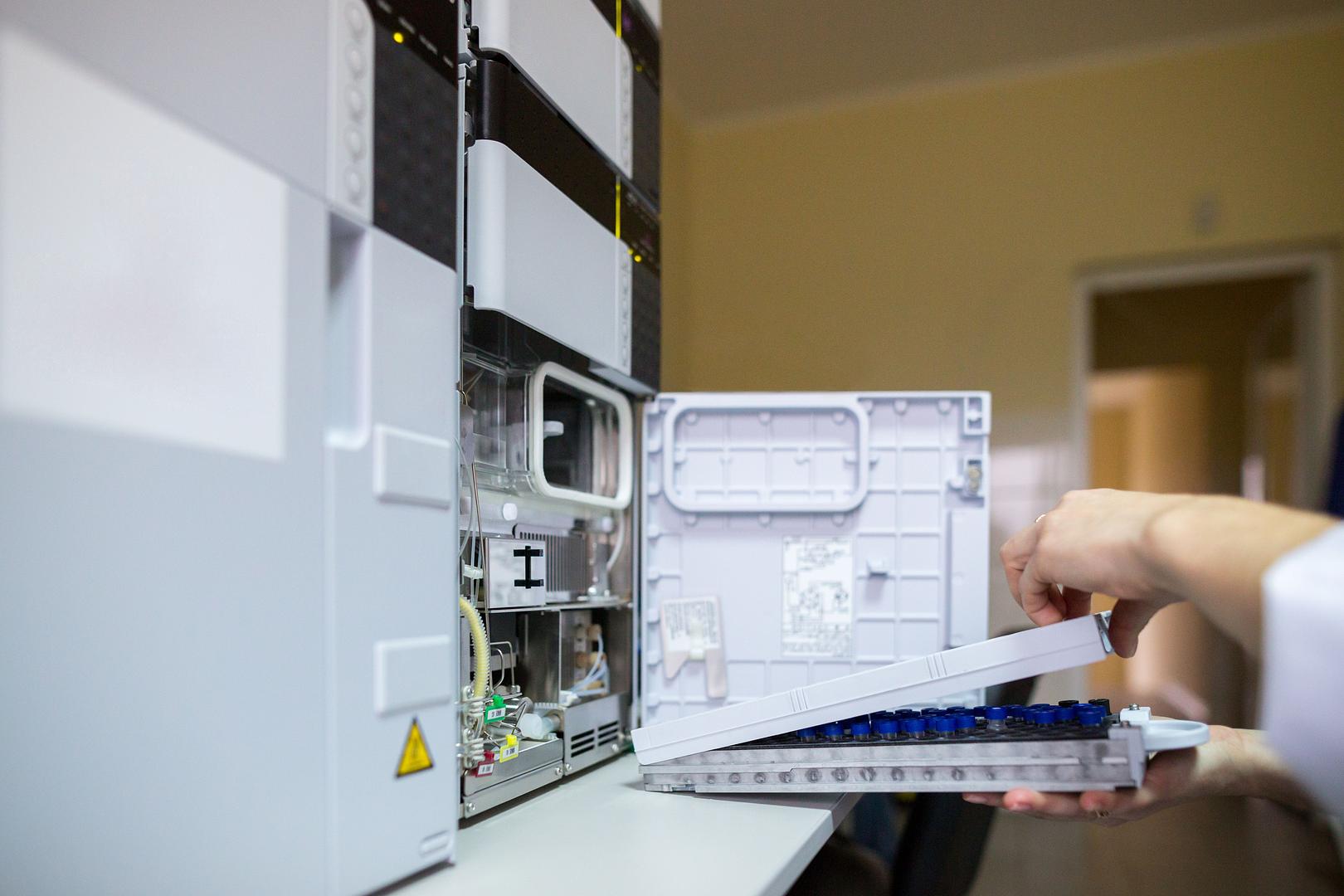
Many genetic analysis platforms use fluorescent detection to identify labeled DNA fragments as they pass through the capillary. This allows automated sizing and identification of multiple targets in a single run. High levels of automation can reduce manual interpretation and improve consistency across batches. For laboratories processing many samples, this can translate into improved throughput and easier data management.
Buyers evaluating a CE system for genomics should consider capillary count, throughput, detection capabilities, reagent availability, and software support. A system optimized for protein analysis may not be the best fit for DNA fragment analysis, so application-specific compatibility is important.
Capillary Electrophoresis vs. Traditional Gel Electrophoresis
Traditional gel electrophoresis remains useful for many basic laboratory workflows, but capillary electrophoresis offers several advantages for automated and quantitative analysis. CE systems generally provide faster separations, more precise migration measurements, and reduced manual handling. They also generate digital output that can simplify data review and comparison. This can be especially useful in environments where consistency and documentation are important.
Because the separation occurs inside a capillary, sample and reagent consumption can also be lower. Automated injection and digital data collection further improve repeatability and reduce operator-to-operator variation.
For buyers, the choice depends on workflow complexity and throughput. Basic research may still rely on conventional gels, while pharmaceutical, biotech, and high-throughput laboratories often benefit from the automation and analytical precision of capillary electrophoresis. CE may also be more attractive when quantitation, traceability, or higher sample throughput is required. Understanding the intended use case helps buyers determine whether the additional automation justifies the investment.
What Buyers Should Consider
When purchasing a used capillary electrophoresis analyzer, buyers should evaluate the system based on the intended assays and workflow requirements.
Important considerations include:
- Supported applications
- Detection technology
- Capillary configuration
- Sample throughput
- Automation capabilities
- Software availability
- Temperature control
- Consumable availability
- Included accessories
- Overall system condition
Software and assay support are especially important with CE equipment. Some systems depend on proprietary software, specific cartridges, or dedicated reagent kits, so buyers should confirm what is included and what remains commercially available.
Complete systems can offer better value when they include autosamplers, detectors, computers, software, cables, capillary cartridges, and original accessories. Missing components can increase setup costs and delay installation.
Recommended Capillary Electrophoresis Analyzers
Below are several of the most recognized capillary electrophoresis analyzers and CE systems used in biopharmaceutical, genetic, clinical, and research laboratories. 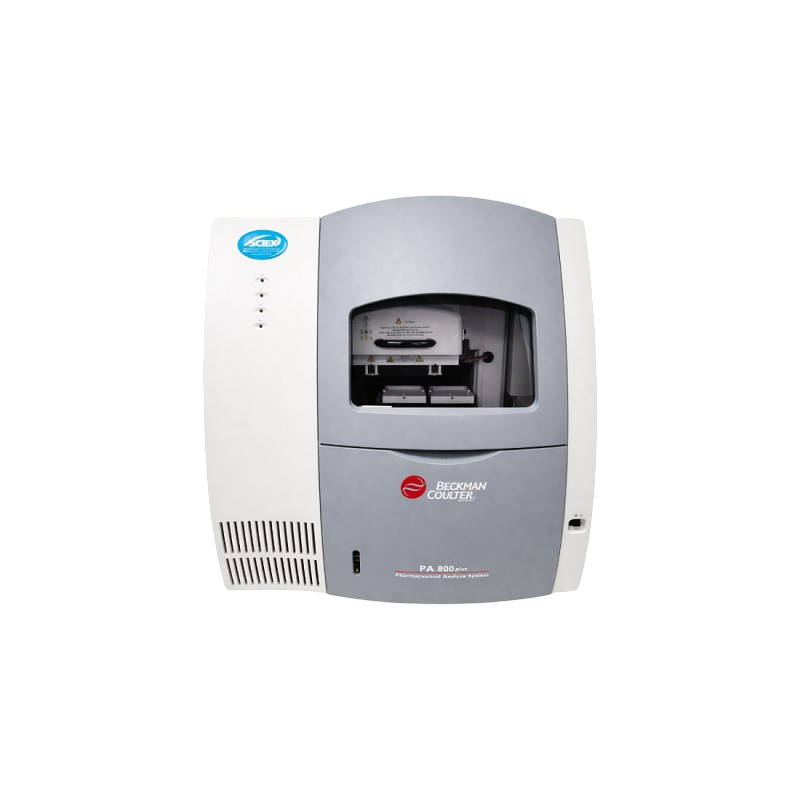
SCIEX / Beckman Coulter PA 800 Plus Pharmaceutical Analysis System – A widely used capillary electrophoresis platform for biopharmaceutical characterization and pharmaceutical analysis. The PA 800 Plus is commonly used for protein purity, charge variant analysis, glycan analysis, and characterization of monoclonal antibodies and other biologics.
Agilent 7100 Capillary Electrophoresis System – A well-known general-purpose CE platform used for protein, peptide, small molecule, and pharmaceutical analysis. It is widely recognized for flexible method development and strong analytical performance.
SCIEX GenomeLab GeXP Genetic Analysis System – A capillary electrophoresis platform used for genetic analysis, DNA fragment analysis, genotyping, and related molecular biology workflows.
Applied Biosystems 3500 Genetic Analyzer – One of the most widely recognized capillary electrophoresis instruments for DNA sequencing and fragment analysis. Commonly used in genetic research, forensic laboratories, and molecular biology applications.
Applied Biosystems SeqStudio Genetic Analyzer – A compact CE-based genetic analyzer designed for sequencing and fragment analysis in research laboratories that need lower-throughput, user-friendly operation.
Why Used Capillary Electrophoresis Systems Can Be a Smart Buy
New analytical instruments can represent a major capital expense, particularly for pharmaceutical and biotechnology laboratories. Purchasing a used capillary electrophoresis analyzer can provide access to established technology at a significantly lower acquisition cost. This can make advanced analytical capability more accessible to startups, academic labs, and expanding research groups. It can also help larger facilities add backup or overflow capacity without a major capital purchase.
Used systems can be especially attractive for academic labs, biotech startups, contract research organizations, and facilities adding backup or overflow capacity. Well-maintained legacy platforms may remain highly capable for validated methods and established workflows. In some cases, staying with a familiar platform can avoid the time and expense of redeveloping methods on a newer instrument. This is particularly valuable when existing SOPs or data pipelines are already built around a specific system.
For buyers, the most important factors are condition, software, accessories, and application compatibility. A complete, tested system can provide strong value when it supports the laboratory's existing assays and consumables.
Why Demand for Capillary Electrophoresis Continues to Grow
Growth in biologics, biosimilars, monoclonal antibodies, gene therapies, and genomic research continues to support demand for capillary electrophoresis analyzers. These applications require detailed characterization, high sensitivity, and reproducible analytical data. As biologic products become more complex, laboratories need tools that can resolve small molecular differences with confidence. CE systems fit well into these increasingly demanding analytical workflows.
Biopharmaceutical development in particular has increased the need for reliable protein characterization tools. CE methods are widely used because they can detect subtle differences in charge, purity, and molecular composition that may be difficult to resolve with less sensitive techniques. These capabilities can support development, process optimization, stability studies, and quality control. This broad utility helps sustain demand across both research and production environments.
At the same time, laboratories are looking for instruments that reduce manual handling and improve throughput. Automated capillary electrophoresis systems fit these needs well, making them valuable tools across both research and quality-control environments.
Choosing the Right Capillary Electrophoresis Analyzer
The best capillary electrophoresis system is the one that matches the laboratory's actual application, throughput, detection needs, and software environment. Buyers should avoid choosing a system based only on brand or maximum specifications.
For protein characterization and biopharmaceutical analysis, platforms such as the SCIEX / Beckman Coulter PA 800 Plus may offer a strong fit. For DNA sequencing and fragment analysis, genetic analyzers from Applied Biosystems or SCIEX may be more appropriate.
By comparing assay compatibility, capillary format, software, accessories, consumables, and overall condition, buyers can select a CE analyzer that delivers the right balance of performance, flexibility, and cost.
Looking for Capillary Electrophoresis & Analytical Systems?
Explore our inventory of used capillary electrophoresis analyzers, protein characterization systems, genetic analyzers, and laboratory analytical equipment, or consign your surplus equipment to connect with qualified buyers.
info@rebio.com