
Cell culture analyzers are essential tools in biopharmaceutical development, cell therapy, vaccine production, fermentation, and upstream bioprocessing. These systems help laboratories and manufacturing teams monitor culture health by measuring parameters such as cell density, viability, metabolites, gases, electrolytes, and other key process indicators. 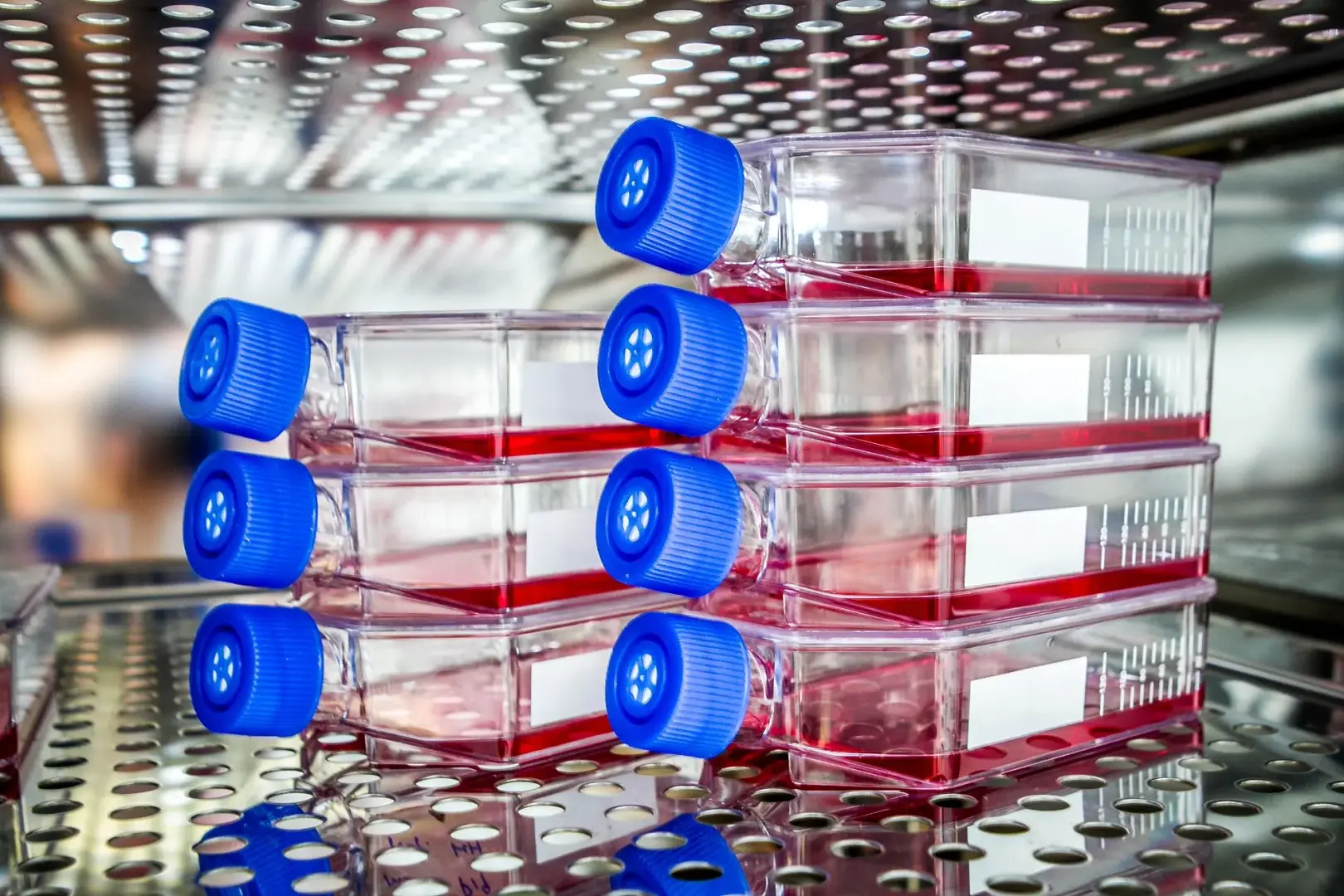
For buyers comparing cell culture analyzers, bioprocess analyzers, cell viability analyzers, metabolite analyzers, and used bioprocess equipment, the right platform can improve process control, reduce manual sampling, and provide faster insight into cell growth and metabolism. Throughput, parameter coverage, sample volume, automation, software support, and consumable availability are all important factors when selecting a system.
What Is a Cell Culture Analyzer?
A cell culture analyzer is an instrument used to measure the condition and performance of cells during cultivation. Depending on the platform, it may evaluate cell concentration, viability, glucose, lactate, glutamine, ammonia, pH, dissolved gases, electrolytes, osmolality, and other bioprocess parameters.
These measurements help researchers and process engineers understand how cells are growing and how the culture environment is changing over time. Faster analytical feedback can help identify nutrient depletion, waste accumulation, declining viability, or other process changes before they become larger problems. Some analyzers focus mainly on cell count and viability, while others provide broad multi-parameter analysis. For buyers, this means the best system depends on whether the lab needs routine cell counting, metabolite analysis, or a more complete view of the bioprocess.
Common Applications in Bioprocessing
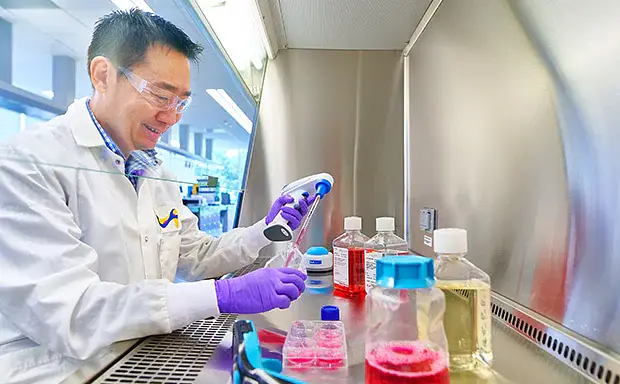
Cell culture analyzers are used throughout upstream bioprocessing, process development, and life science research. They are especially valuable in workflows where frequent measurements are needed to track cell growth, nutrient consumption, and metabolic changes during a bioreactor run.
Common applications include:
- Mammalian cell culture monitoring
- Bioreactor process development
- Monoclonal antibody production
- Cell and gene therapy research
- Vaccine development
- Fermentation monitoring
- Media and feed optimization
- Process scale-up
- Cell density and viability testing
- Metabolite monitoring
Cell density and viability are among the most important measurements in many culture workflows. These values help teams determine whether cells are expanding as expected and can support decisions around feeding, passaging, harvest timing, and process troubleshooting. Metabolite analysis adds another level of process visibility. Monitoring glucose, lactate, glutamine, ammonia, and other culture chemistry parameters can help identify changes in nutrient availability and cellular metabolism. Multi-parameter systems can reduce the need to move samples between several separate instruments, improving workflow efficiency and reducing handling.
What Buyers Should Consider
When purchasing a used cell culture analyzer, buyers should evaluate the system around the exact parameters and workflows they need to support. A system designed mainly for viability testing may not provide enough information for a process development lab, while a full multi-parameter analyzer may be unnecessary for routine cell counting.
Important considerations include:
- Parameters measured
- Cell count and viability capabilities
- Metabolite coverage
- Sample volume
- Throughput
- Automation level
- Consumable and reagent availability
- Software and data export
- Bioreactor integration
- Overall equipment condition
Consumables can have a major impact on long-term operating costs. Buyers should confirm that cartridges, reagents, sensors, and other required supplies remain commercially available for the exact model being considered. Software and included accessories are equally important when buying used equipment. A complete system with the correct sampler, computer, cables, documentation, and software can often be placed into service much more easily than an incomplete unit.
Recommended Cell Culture Analyzers
Below are several of the most recognized cell culture analyzers, bioprocess analyzers, and cell viability systems used in biotechnology and pharmaceutical environments. 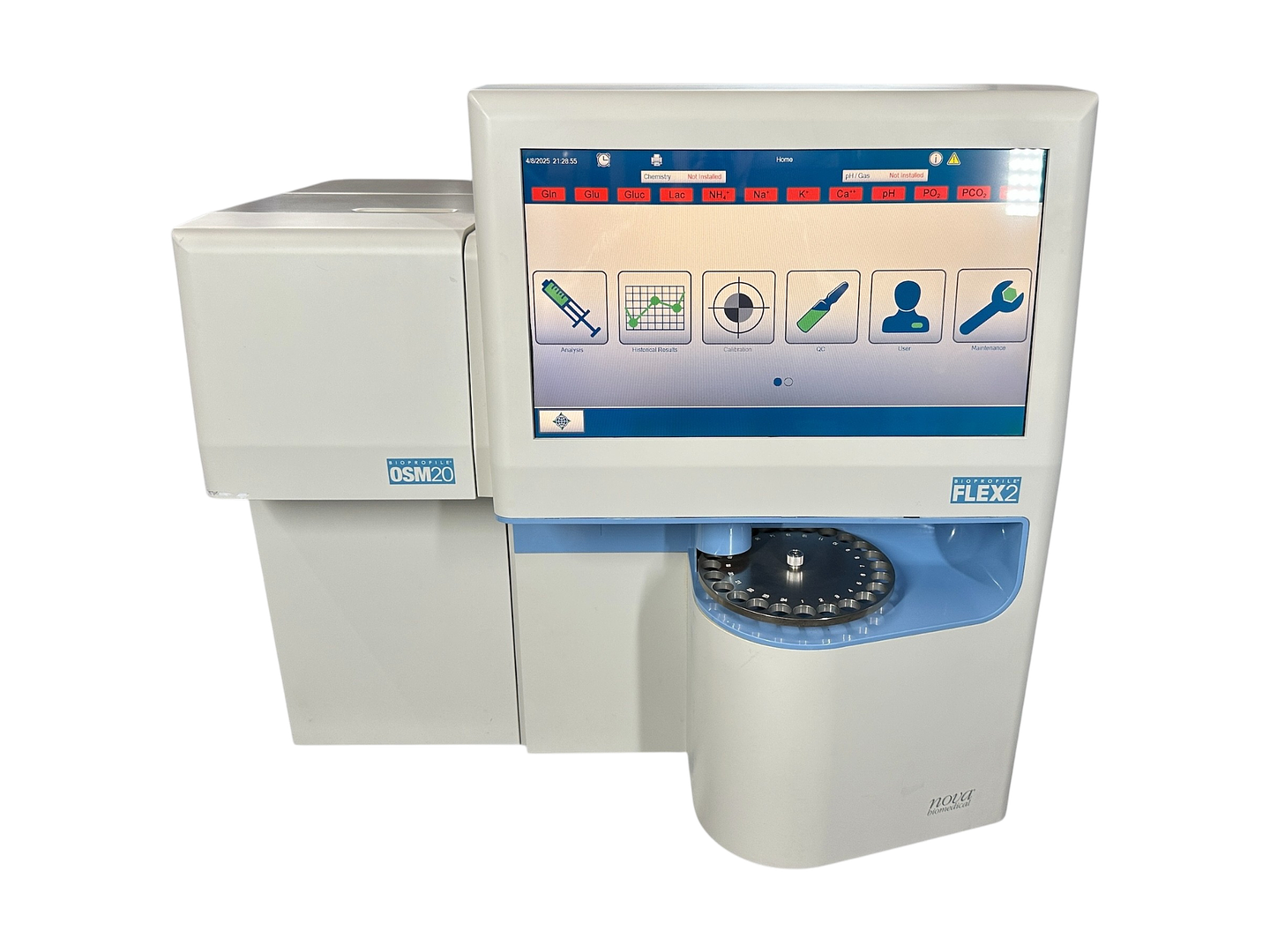
Nova Biomedical BioProfile FLEX2 Automated Cell Culture Analyzer – A widely used multi-parameter bioprocess analyzer designed to measure cell culture chemistry and cellular parameters from a single platform. It is especially useful for upstream bioprocess development, monoclonal antibody production, cell therapy, and applications requiring rapid monitoring of culture health and metabolism.
Beckman Coulter Vi-CELL BLU Cell Viability Analyzer – One of the most recognized automated cell counting and viability systems, commonly used for cell concentration, viability, and size analysis in bioprocess development and cell culture workflows.
Nova Biomedical BioProfile FLEX2 Basic – A streamlined BioProfile platform designed for laboratories that need core cell culture chemistry measurements without the full analytical configuration of the FLEX2.
Roche Cedex Bio HT Analyzer – A well-known bioprocess analyzer used for metabolite and substrate analysis in cell culture and fermentation workflows, particularly in pharmaceutical and biotechnology environments. 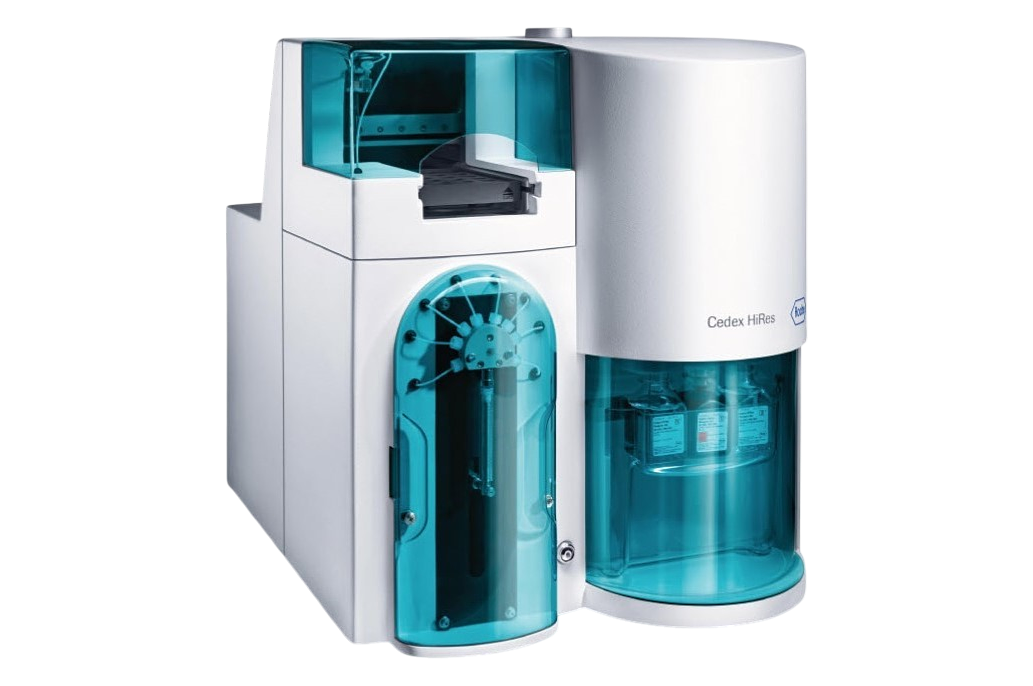
Roche Cedex HiRes Analyzer – Widely used for automated cell counting and viability analysis in mammalian cell culture and bioprocess applications.
Beckman Coulter Vi-CELL XR – A long-established automated cell viability analyzer commonly found in biotechnology and pharmaceutical labs for routine cell counting and viability testing.
Why Used Cell Culture Analyzers Can Be a Smart Buy
New bioprocess analyzers can represent a substantial capital expense, particularly when multiple analytical parameters and automated sampling are required. Purchasing a used cell culture analyzer can provide access to proven technology at a significantly lower acquisition cost. Used systems are especially attractive for biotech startups, academic laboratories, CDMOs, and facilities expanding analytical capacity. A proven platform may still provide excellent performance for established workflows even if it is not the newest generation.
For buyers, condition, completeness, consumables, and software support matter more than age alone. A tested system that includes the necessary accessories and remains supported by available reagents can provide strong long-term value while reducing the cost of expanding bioprocess analytical capacity.
Choosing the Right Cell Culture Analyzer
The best cell culture analyzer is the one that matches the lab’s actual process, sample volume, and parameter requirements. Buyers should first determine whether they need basic viability testing, metabolite analysis, or a full multi-parameter bioprocess analyzer. For broader process monitoring, a system such as the Nova Biomedical BioProfile FLEX2 can provide significant value because it combines multiple analytical measurements in one platform. For routine cell count and viability testing, a dedicated analyzer such as the Beckman Coulter Vi-CELL BLU may be the more practical and cost-effective option.
Demand for these systems continues to grow alongside biologics, monoclonal antibodies, cell therapy, gene therapy, vaccines, and automated bioprocessing. By comparing parameter coverage, throughput, consumables, software, accessories, and overall condition, buyers can select a system that improves process visibility without overspending on unnecessary capabilities.
Looking for Cell Culture & Bioprocess Analyzers?
Explore our inventory of used cell culture analyzers, bioprocess analyzers, cell viability systems, and upstream processing equipment, or consign your surplus equipment to reach qualified buyers.
Visit us at ReBio.com to request a free valuation