
HPLC fraction collectors are important components in preparative and purification chromatography systems, allowing laboratories to automatically collect separated compounds as they elute from an HPLC column. Instead of sending all output to waste, a fraction collector directs selected portions of the chromatographic run into individual tubes, vials, or microplates for further analysis, purification, concentration, or storage.
For buyers comparing HPLC fraction collectors, preparative HPLC systems, chromatography fraction collectors, automated sample collection systems, and used chromatography equipment, the right unit can improve purification efficiency, reduce manual handling, and increase throughput. Collection capacity, vessel compatibility, trigger method, flow-rate support, software integration, and compatibility with the existing HPLC system are all important considerations.
What Is an HPLC Fraction Collector? 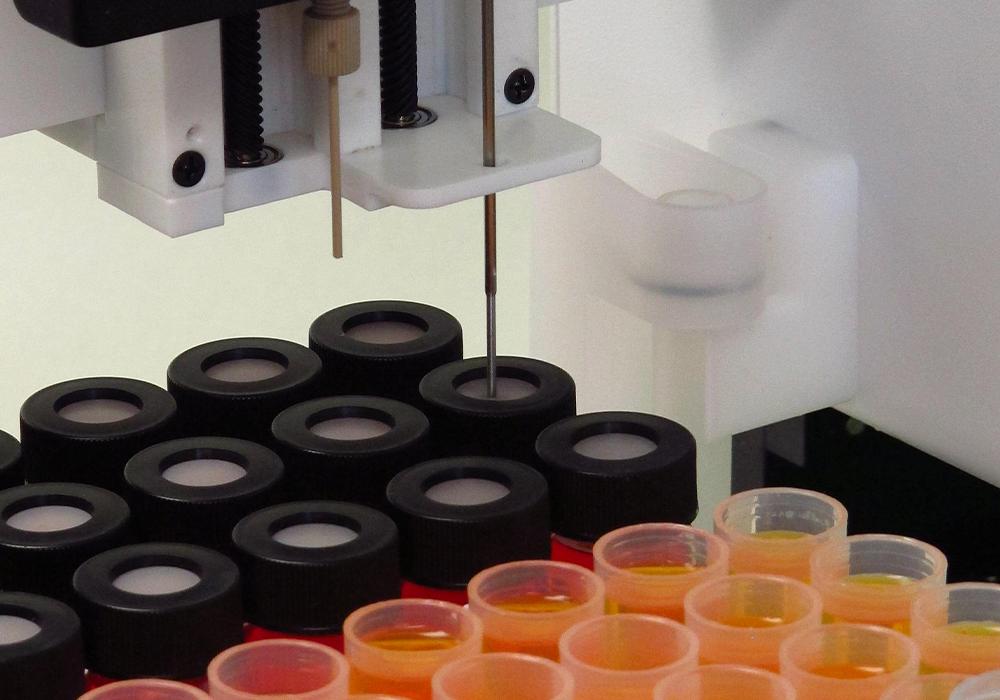
An HPLC fraction collector is an automated device positioned downstream from the chromatography detector that collects specific portions of the liquid stream as compounds leave the column. The system moves between collection vessels according to programmed time intervals, detector signals, peak detection, or other collection rules.
In preparative HPLC, the goal is often to isolate and recover purified compounds rather than simply identify them. Fraction collectors make this possible by separating individual peaks into dedicated containers for later processing. Depending on the workflow, the collected material may be concentrated, reanalyzed, dried, or used in downstream experiments. For buyers, the fraction collector should be evaluated as part of the complete chromatography workflow. The detector, pump, tubing, software, and collection hardware all need to work together if fractions are going to be captured accurately and reproducibly.
Why Fraction Collectors Matter in HPLC Purification
Fraction collectors are especially important in preparative HPLC and purification chromatography, where recovering purified material is the primary objective. Manual collection can be practical for a small number of samples, but it becomes inefficient and inconsistent as throughput increases.
Automated collection allows laboratories to capture fractions based on defined chromatographic events, reducing the risk of missed peaks or cross-contamination between samples. It also allows unattended or semi-automated operation during longer purification runs. For buyers, this can translate into higher productivity and better recovery of valuable compounds. In pharmaceutical, biotech, natural product, and chemical research workflows, even small improvements in fraction recovery can reduce wasted material and improve downstream efficiency.
Common Applications
HPLC fraction collectors are used in laboratories where chromatographic separation is followed by physical recovery of the separated compounds.
Common applications include:
- Preparative HPLC purification
- Pharmaceutical compound isolation
- Protein and peptide purification
- Natural product purification
- Organic synthesis cleanup
- Metabolite isolation
- Biochemical research
- Method development
- Drug discovery
- Analytical fraction collection for follow-up testing
These systems are commonly found in pharmaceutical companies, biotechnology laboratories, CROs, universities, and chemical research facilities. They are particularly valuable when compounds need to be collected in a clean, repeatable, and traceable manner.
Time-Based vs. Peak-Based Fraction Collection
Fraction collectors can use different collection strategies depending on the system and software configuration. Time-based collection directs the flow into new vessels at predefined intervals, making it simple and reliable for predictable separations. Peak-based collection uses detector signals to trigger collection when a target compound begins to elute. This can improve recovery efficiency by directing only the relevant chromatographic peaks into collection vessels. More advanced systems may combine time, wavelength, threshold, or detector-triggered rules. For buyers, the best option depends on how much automation and selectivity the purification workflow requires.
Fraction Collectors in Preparative HPLC Systems
In a preparative HPLC system, the fraction collector works alongside the pump, injector, column, and detector to isolate purified material. After the compounds are separated by the column, the detector identifies the peaks and the fraction collector directs the corresponding output into individual containers.
Preparative systems typically operate at higher flow rates and may generate larger fraction volumes than analytical HPLC systems. This means collection capacity, tubing diameter, vessel size, and flow handling become especially important. For buyers, compatibility with preparative flow rates is critical. A fraction collector designed primarily for low-flow analytical work may not be suitable for a high-throughput purification system, even if the software and triggering functions appear compatible.
What Buyers Should Consider
When purchasing a used HPLC fraction collector, buyers should evaluate both collection capability and integration with the rest of the chromatography platform.
Important considerations include:
- Maximum supported flow rate
- Number of collection positions
- Tube, vial, or microplate compatibility
- Fraction volume requirements
- Time- or peak-based collection
- Detector triggering options
- Software compatibility
- HPLC system communication
- Rack and tray availability
- Overall mechanical condition
Collection racks and vessel holders are especially important. A used fraction collector may appear complete but still require specific racks, trays, tubing, or accessories before it can be used for the intended sample format.
Buyers should also inspect moving arms, valves, tubing, and positioning mechanisms. Reliable movement and accurate vessel alignment are essential because mechanical errors can result in lost samples or cross-contamination.
Recommended HPLC Fraction Collectors
Below are several well-known HPLC fraction collectors used in analytical and preparative chromatography environments.
Agilent 440-LC Fraction Collector – A dedicated liquid chromatography fraction collection system used for automated collection of separated compounds. It is a strong option for laboratories running preparative or purification workflows that require repeatable tube or vessel collection. 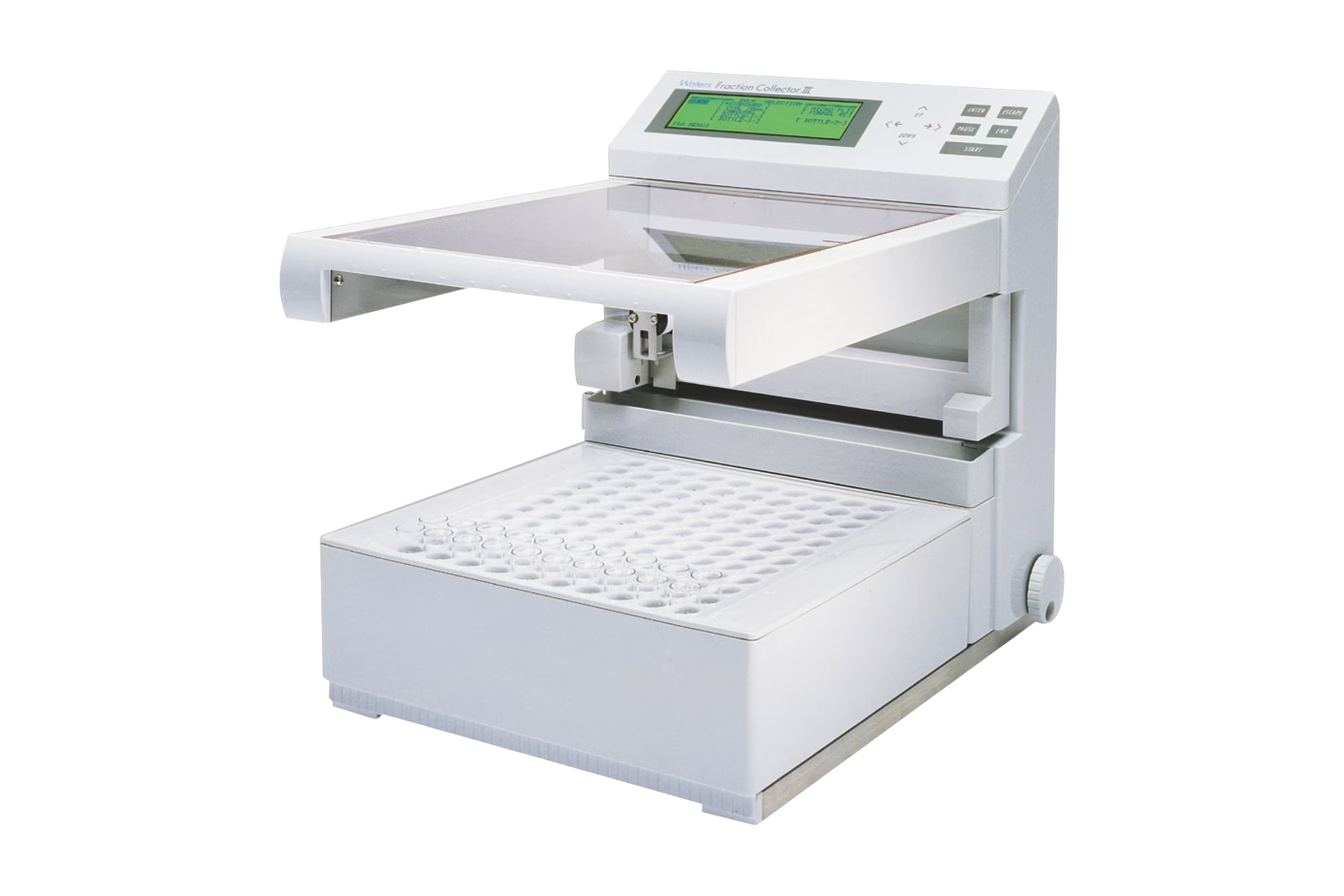
Waters Fraction Collector III – A widely used fraction collection platform designed for Waters chromatography systems and purification workflows. It is commonly paired with preparative HPLC configurations where automated recovery of purified compounds is required.
Gilson FC 203B Fraction Collector – A well-known standalone fraction collector used in HPLC, flash chromatography, and general purification workflows. It is popular for flexible laboratory setups and custom chromatography systems.
Teledyne ISCO Foxy R1 Fraction Collector – A recognized automated fraction collection system used in preparative chromatography and purification laboratories where programmable collection and multiple vessel formats are important.
GE / Cytiva Frac-950 Fraction Collector – A commonly used fraction collector in protein purification and ÄKTA chromatography workflows. It is especially popular in biotechnology and bioprocess research environments.
Bio-Rad BioFrac Fraction Collector – A widely recognized fraction collection system used in protein purification, chromatography, and biochemical research applications.
Why Used HPLC Fraction Collectors Can Be a Smart Buy
New chromatography accessories can add significant cost to a purification system, particularly when a laboratory needs multiple racks, software integration, or higher collection capacity. Purchasing a used HPLC fraction collector can provide an economical way to expand an existing system or replace a failed module.
Used units can be especially valuable when maintaining legacy chromatography platforms. Matching the original model may reduce communication, rack, software, and tubing compatibility issues compared with adapting a newer system. For buyers, completeness matters. A tested fraction collector with racks, trays, cables, tubing, and control hardware can provide much better value than a bare unit that requires additional components before it can be installed.
Choosing the Right HPLC Fraction Collector
The best HPLC fraction collector is the one that matches the chromatography system’s flow rate, sample format, collection volume, and triggering requirements. Buyers should first determine whether the workflow is analytical, preparative, protein purification, or high-throughput compound isolation.
System compatibility is especially important when integrating a fraction collector into an existing HPLC platform. Software communication, detector triggering, rack configuration, and tubing layout can all affect how easily the system can be put into service. By comparing collection capacity, flow handling, automation, accessories, software support, and overall condition, buyers can select a fraction collector that improves purification efficiency without replacing the rest of the chromatography system.
Looking for HPLC Fraction Collectors & Chromatography Equipment?
Explore our inventory of used HPLC fraction collectors, preparative chromatography systems, HPLC pumps, detectors, and liquid chromatography equipment, or consign your surplus analytical equipment to reach qualified buyers.
info@rebio.com