
Laboratory autosamplers are essential components of modern analytical laboratories, allowing instruments to process multiple samples automatically with minimal operator intervention. From HPLC and UHPLC systems to gas chromatography (GC), liquid chromatography-mass spectrometry (LC-MS), and elemental analysis, autosamplers help laboratories improve sample throughput, maintain consistent injection volumes, and reduce repetitive manual handling.
When comparing HPLC autosamplers, chromatography autosamplers, automated sample injection systems, and used laboratory autosamplers, selecting the right equipment can significantly improve workflow efficiency. Sample capacity, injection precision, vial compatibility, temperature control, software integration, and instrument compatibility are all important factors when evaluating a system.
What Is a Laboratory Autosampler?
A laboratory autosampler is an automated instrument that introduces samples into an analytical system according to a programmed sequence. Depending on the application, it may use a robotic arm, sampling needle, syringe, injection valve, or other mechanism to transfer samples from vials, tubes, or microplates into the analytical instrument. 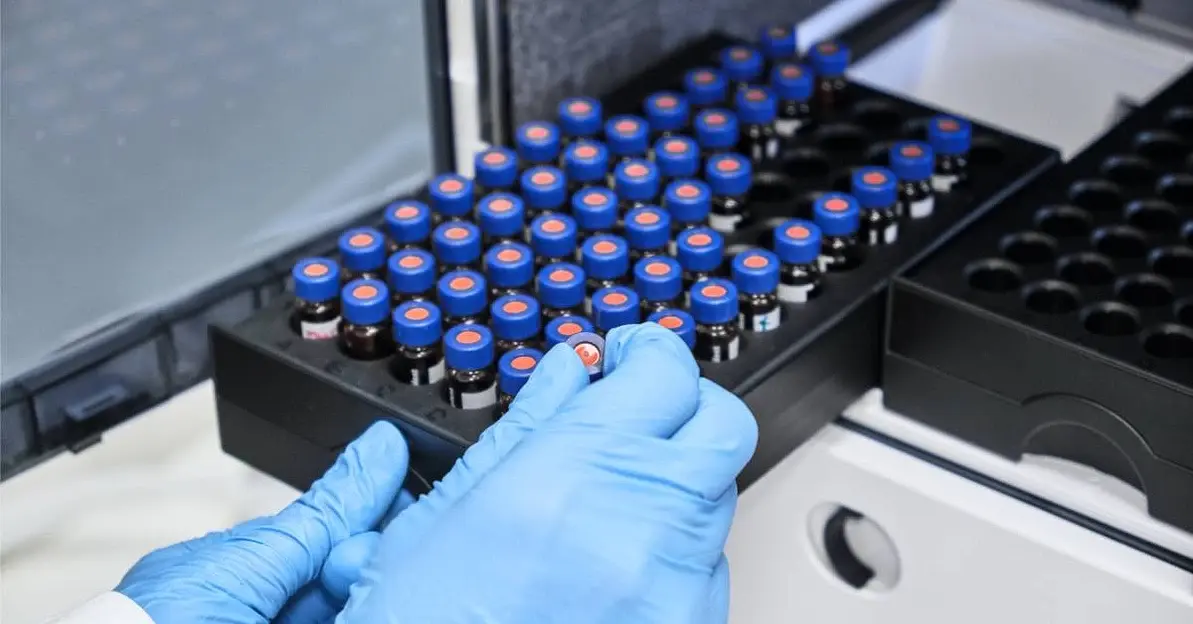
Autosamplers are widely used in laboratories that need to analyze large numbers of samples with consistent timing and minimal manual intervention. They can automate repetitive tasks such as sample selection, injection, needle washing, and sequence management, allowing analytical instruments to operate for extended periods without constant operator supervision.
For buyers, an autosampler should be evaluated as part of the complete analytical workflow. A system that offers high sample capacity may still be unsuitable if it lacks the required injection volume range, communication interface, or compatibility with the existing chromatography platform.
Main Types of Laboratory Autosamplers
Different analytical techniques require different sample introduction methods. Understanding these differences helps buyers identify the correct automated sample injection system for their laboratory.
HPLC and UHPLC Autosamplers
HPLC autosamplers automatically inject liquid samples into a high-performance liquid chromatography system. They are commonly used in pharmaceutical quality control, biotechnology, chemical analysis, environmental testing, and research laboratories.
These systems are designed to deliver consistent injection volumes while maintaining compatibility with the pressure and flow requirements of the chromatography system. Depending on the model, they may support variable injection volumes, multiple vial formats, microplates, and refrigerated sample storage. For buyers maintaining an existing HPLC system, compatibility with the pump, chromatography data software, and injection valve configuration is particularly important. Staying within the same instrument family can simplify integration and reduce the need for additional control hardware.
Gas Chromatography Autosamplers
GC autosamplers automate the introduction of samples into gas chromatography systems. Common configurations include liquid injection autosamplers, headspace samplers, and specialized sampling systems for volatile compounds.
Liquid GC autosamplers typically use a syringe to introduce a controlled volume into the instrument's injection port. Headspace autosamplers instead collect vapor from sealed sample containers, making them useful for volatile organic compounds, residual solvent analysis, and other applications involving volatile analytes. Buyers should verify whether the autosampler supports the intended GC inlet, vial format, syringe type, and analytical method. A liquid injection autosampler and a headspace sampler serve different purposes and are not necessarily interchangeable.
LC-MS Autosamplers
LC-MS autosamplers introduce liquid samples into chromatography systems connected to mass spectrometers. They are commonly used in pharmaceutical development, metabolomics, proteomics, bioanalysis, and other applications requiring sensitive compound identification and quantification.
Because LC-MS methods can be highly sensitive, sample carryover and contamination control are particularly important. Autosamplers with effective needle-washing functions, reliable injection mechanisms, and appropriate sample cooling can help maintain consistent analytical performance. When considering options, the autosampler must be compatible with the liquid chromatography system feeding the mass spectrometer. Software, injection volume, pressure capability, and sample handling requirements should all be reviewed before purchase.
Why Autosamplers Matter in Analytical Laboratories
Manual sample injection can become a major bottleneck when laboratories need to process large sample batches. Automated laboratory autosamplers allow instruments to run programmed sequences, reducing the need for technicians to perform every injection individually.
Automation also helps improve consistency by controlling injection volume, timing, and sample selection. This can reduce operator-to-operator variability and make analytical results easier to compare across repeated runs. For laboratories performing routine quality control or validated analytical methods, consistent sample introduction is especially important. Autosamplers can also increase instrument utilization by supporting unattended operation. Laboratories can prepare a sample sequence and allow the instrument to process samples over several hours, making better use of chromatography and mass spectrometry equipment.
Common Applications for Laboratory Autosamplers
Autosamplers for chromatography and analytical instruments are used across pharmaceutical, biotechnology, environmental, food, chemical, and academic laboratories.
Common applications include:
- Pharmaceutical quality control and impurity testing
- HPLC and UHPLC analysis
- LC-MS and GC-MS sample introduction
- Protein and peptide analysis
- Environmental contaminant testing
- Food and beverage quality control
- Residual solvent analysis
- Metabolomics and proteomics
- Chemical purity testing
- High-throughput analytical research
The required autosampler configuration depends on the analytical method and sample type. A pharmaceutical laboratory processing hundreds of HPLC samples may prioritize vial capacity and injection reproducibility, while a bioanalytical laboratory may place greater emphasis on sample cooling and minimizing carryover. For buyers, choosing an autosampler that matches the intended workflow can improve throughput without adding unnecessary complexity. Sample format, batch size, and the analytical instrument's operating requirements should guide the purchasing decision.
What Buyers Should Consider When Purchasing an Autosampler
When purchasing a used laboratory autosampler, buyers should evaluate the exact instrument configuration and its compatibility with their existing analytical equipment. Not every autosampler can be installed on every chromatography system, even when the instruments use similar sample formats.
Important considerations include:
- Sample capacity and supported vial sizes
- Injection volume range and precision
- HPLC, UHPLC, GC, or LC-MS compatibility
- Temperature control and sample cooling
- Carryover and needle-washing capabilities
- Software and communication requirements
- Injection valve and syringe condition
- Included trays, racks, and accessories
Mechanical condition is particularly important with used autosamplers. Worn syringes, damaged needles, leaking injection valves, positioning errors, and faulty tray mechanisms can affect performance or prevent successful operation. Buyers should also confirm that replacement consumables and service parts remain available for the exact model. Software compatibility should be reviewed before purchasing a replacement module. A mechanically functional autosampler may still require a specific chromatography data system, firmware version, communication cable, or instrument controller. A complete used system with compatible accessories and documentation can therefore offer better value than an incomplete unit.
Recommended Laboratory Autosamplers
Below are several well-known HPLC, UHPLC, GC, and analytical autosamplers commonly used in pharmaceutical, biotechnology, chemical, and research laboratories. 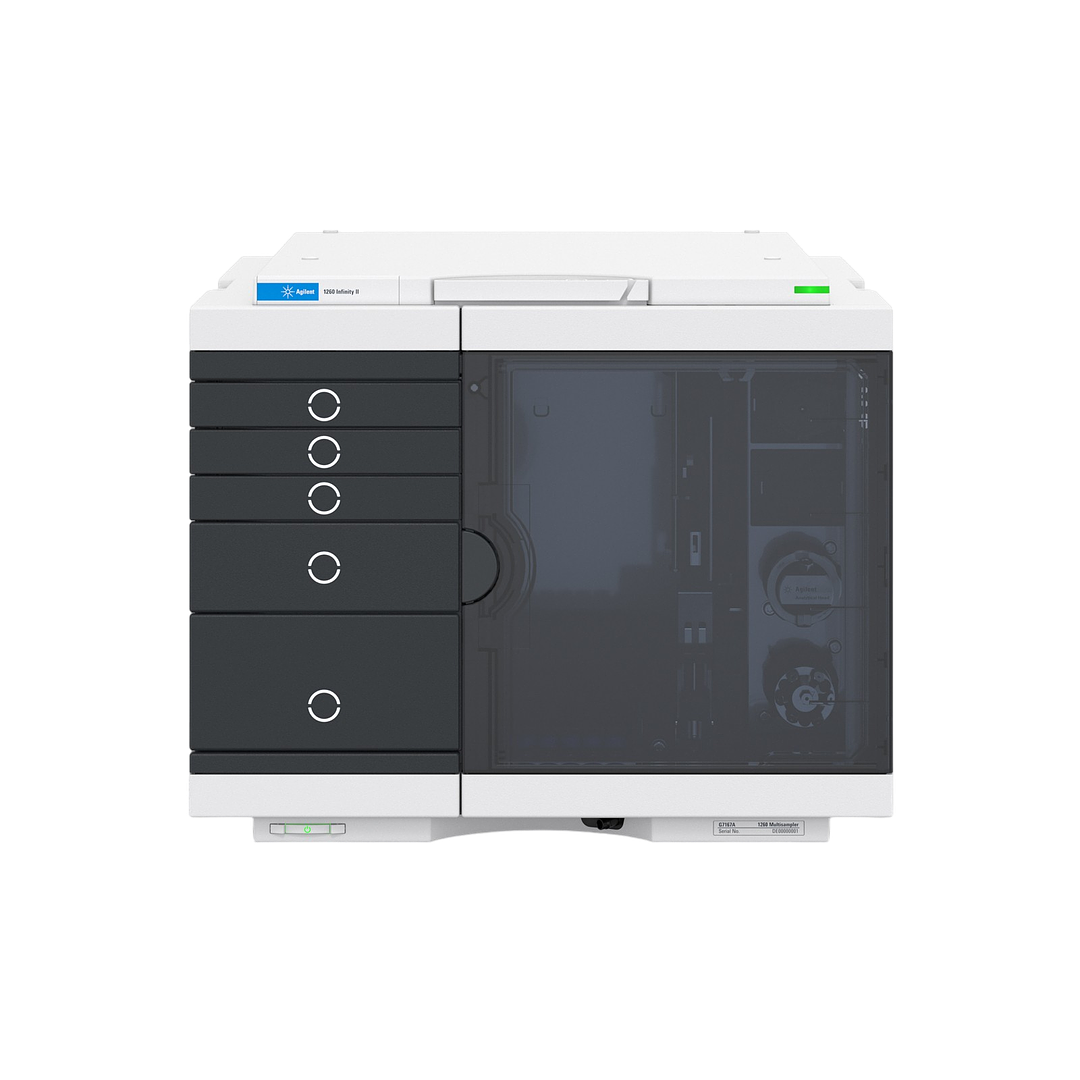
Agilent 1260 Infinity II Multisampler – A widely used HPLC and UHPLC autosampler designed for automated liquid sample injection and flexible sample handling. It is commonly used in pharmaceutical, chemical, and analytical laboratories that require reliable chromatography automation.
Waters 2695 Alliance Separations Module – A widely recognized HPLC separations module with integrated automated sample handling and solvent delivery. It is a popular option for laboratories maintaining established Waters Alliance chromatography workflows.
Shimadzu SIL-20A Prominence Autosampler – A well-known HPLC autosampler used for automated injection in Shimadzu Prominence liquid chromatography systems. It is commonly found in pharmaceutical quality control, research, and routine analytical laboratories.
Thermo Scientific Dionex UltiMate 3000 Autosampler – A liquid chromatography autosampler used in analytical HPLC and UHPLC workflows, including applications involving LC-MS. It is a practical option for laboratories maintaining compatible Dionex UltiMate 3000 systems.
Agilent 7693A Automatic Liquid Sampler – A widely recognized GC liquid injection autosampler used with compatible Agilent gas 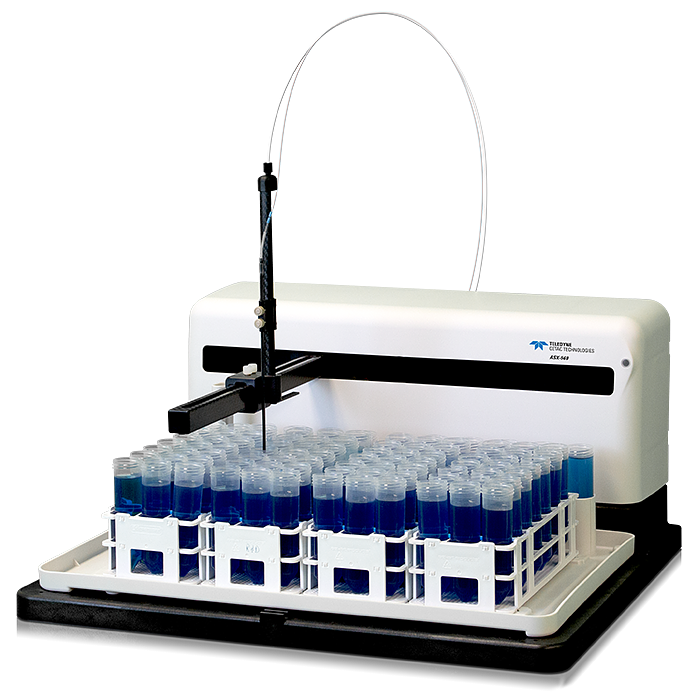 chromatography systems. It is commonly used in chemical analysis, environmental testing, pharmaceutical laboratories, and routine
GC workflows.
Teledyne LABS ASX-560 Autosampler – A popular automated sample introduction system used with compatible elemental analysis instruments, particularly ICP-MS and ICP-OES platforms. It is well suited for laboratories processing large sample batches in environmental, chemical, and elemental analysis.
Why Used Laboratory Autosamplers Can Be a Smart Buy
New chromatography and analytical equipment can represent a substantial capital expense, especially when a laboratory needs to replace a failed module or expand an existing instrument configuration. Purchasing a used autosampler can provide a cost-effective way to restore automated sample handling without replacing the entire analytical system.
Used autosamplers are particularly valuable for established chromatography platforms. Matching the original model or a compatible instrument family may reduce software changes, method redevelopment, and installation costs. For laboratories operating multiple similar systems, purchasing compatible used modules can also simplify maintenance and spare-part management. For buyers, the condition and completeness of the equipment are essential. A tested autosampler with the correct sample trays, racks, injection hardware, cables, and control accessories can provide substantial value. Confirming the exact model and configuration before purchase helps avoid unexpected integration costs.
Choosing the Right Autosampler for Your Laboratory
The best laboratory autosampler is the one that matches the analytical method, sample format, throughput requirements, and existing instrument configuration. Buyers should determine whether they need an HPLC autosampler, UHPLC injection module, GC liquid sampler, headspace sampler, or another specialized sample introduction system before comparing individual models.
For laboratories maintaining existing HPLC and LC-MS systems, compatibility is often the most important consideration. Matching the autosampler to the pump, detector, chromatography software, and established method can reduce installation time and preserve existing workflows. Facilities purchasing complete analytical systems should also verify that the autosampler and all required accessories are included. By comparing sample capacity, injection precision, temperature control, software compatibility, consumable availability, and overall condition, buyers can select an automated laboratory autosampler that improves analytical productivity while controlling acquisition and operating costs.
Looking for Laboratory Autosamplers & Chromatography Equipment?
Explore our inventory of used HPLC autosamplers, GC autosamplers, liquid chromatography modules, and analytical laboratory equipment, or consign your surplus equipment to reach qualified buyers.
info@rebio.com