
HPLC column compartments are an important part of modern high-performance liquid chromatography systems, helping maintain a stable and controlled temperature around the analytical column during a run. Because chromatographic separation can be sensitive to temperature changes, a properly functioning column compartment can improve retention-time consistency, peak shape, method reproducibility, and overall analytical performance.
Laboratories evaluating HPLC column ovens, thermostatted column compartments, liquid chromatography column heaters, and used HPLC modules should consider temperature range, stability, column capacity, system compatibility, software control, and physical configuration. The right column compartment can strengthen an existing chromatography system without requiring a complete instrument upgrade.
What Is an HPLC Column Compartment? 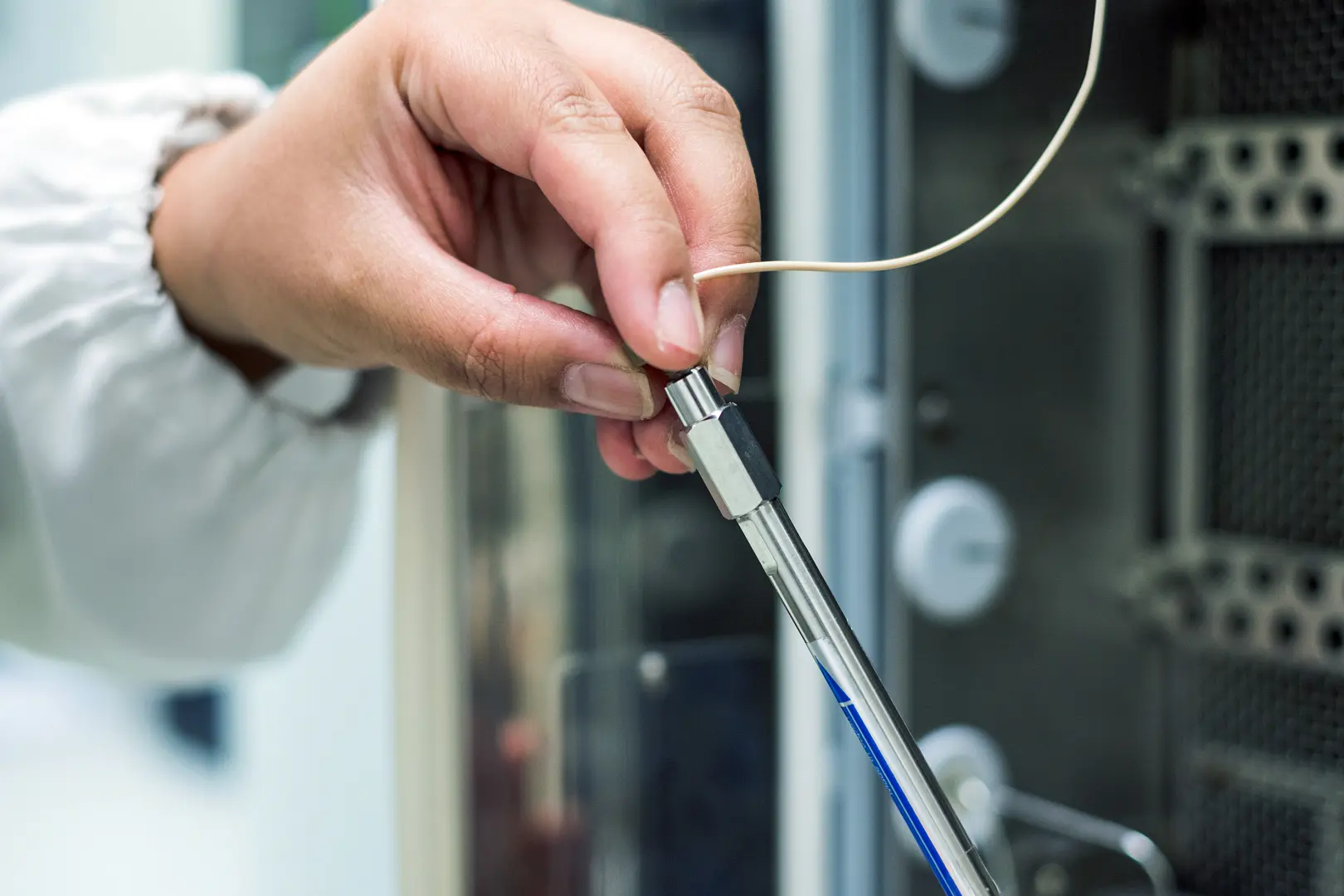
An HPLC column compartment is a temperature-controlled chamber that houses one or more chromatography columns. It is typically positioned between the autosampler and detector, allowing the mobile phase and sample to pass through the column under controlled thermal conditions.
Depending on the system, the compartment may provide active heating, cooling, or both. Modern thermostatted column compartments often include temperature sensors, programmable controls, column switching options, and integrated communication with the chromatography data system. Maintaining a stable column temperature helps reduce changes caused by room conditions or extended instrument operation. This becomes increasingly important for methods that require tight retention-time control or operate near the performance limits of the column.
Why Column Temperature Matters in HPLC
Temperature affects several important chromatographic properties, including solvent viscosity, analyte interaction with the stationary phase, retention time, and system backpressure. Even relatively small temperature changes can alter how compounds move through the column.
Increasing temperature generally reduces mobile-phase viscosity, which can lower backpressure and improve mass transfer in certain methods. At the same time, changes in temperature can shift selectivity and retention, making thermal consistency important when reproducing validated analytical methods. A stable HPLC column oven helps ensure that the same method produces comparable results across different runs, operators, and laboratory conditions. This is especially valuable in pharmaceutical quality control, method validation, and regulated analytical environments.
Common Applications
HPLC column compartments are used across pharmaceutical, biotechnology, chemical, environmental, food, and research laboratories.
Common applications include:
- Pharmaceutical quality control
- Method development and validation
- Protein and peptide analysis
- Impurity profiling
- Chemical purity testing
- Environmental contaminant analysis
- Food and beverage testing
- Stability studies
- Routine analytical HPLC
- UHPLC separations
Some methods require only mild heating, while others rely on tightly controlled temperatures to maintain selectivity and repeatability. Laboratories running multiple methods may benefit from a compartment with a broad temperature range and flexible column capacity.
Column Compartments in Complete HPLC Systems
Within a complete HPLC system, the column compartment works alongside the pump, autosampler, detector, and chromatography software. Each module affects the final chromatogram, but the column compartment specifically helps stabilize the separation environment.
A typical flow path begins with solvent delivery from the pump, followed by sample injection from the autosampler. The sample then travels through the temperature-controlled column before reaching the detector. Because the actual separation occurs inside the column, maintaining consistent thermal conditions at this stage can have a direct impact on analytical results. Integrated systems may allow the column temperature to be programmed as part of the method. This simplifies operation and helps ensure that thermal conditions are automatically reproduced each time the method is run.
HPLC Column Ovens vs. Thermostatted Column Compartments 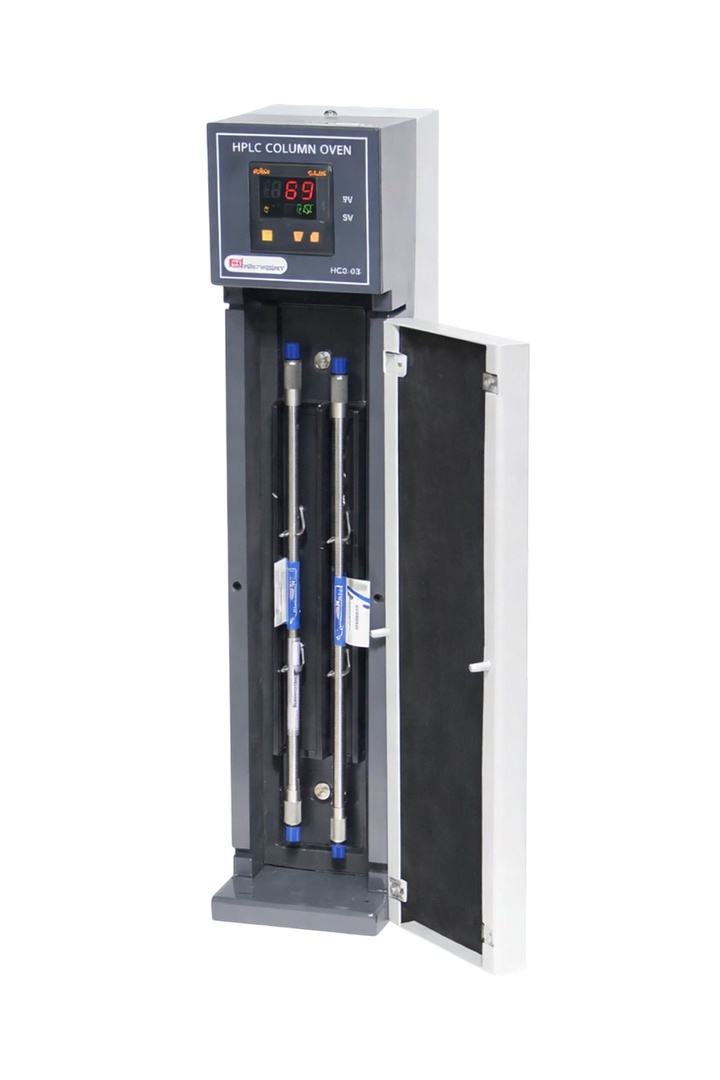
The terms column oven and column compartment are often used interchangeably, but there can be differences in capability. A basic column oven may primarily provide heating, while a thermostatted compartment may offer both heating and active cooling along with more advanced system integration.
Higher-end units may also support multiple columns, automated column switching, preheating of the mobile phase, or independent temperature zones. These features can be valuable in method-development laboratories or facilities that frequently change between analytical methods. A simple heating compartment may be completely adequate for routine workflows. More advanced functionality becomes worthwhile when precise temperature control, faster equilibration, or multiple-column operation is part of the daily workflow.
What to Consider When Purchasing an HPLC Column Compartment
When purchasing a used HPLC column compartment, compatibility with the existing chromatography system should be one of the first considerations. Many modules are designed around specific instrument families and may require proprietary communication connections or software.
Important considerations include:
- Temperature range
- Temperature stability and accuracy
- Heating and cooling capability
- Column capacity
- Maximum supported column length
- Column switching capability
- Mobile-phase preheating
- Software compatibility
- Communication interfaces
- Overall operating condition
Physical condition also matters. Door seals, temperature sensors, internal fans, heating elements, cooling components, and column mounting hardware should all function correctly. Poor temperature stability can directly affect chromatographic reproducibility. Included accessories can add significant value. Column clips, switching valves, tubing, cables, mounting hardware, and original communication components may be difficult to source separately for older platforms.
Popular HPLC Column Compartment Platforms
Several manufacturers offer well-known HPLC and UHPLC column compartment modules designed to integrate with their chromatography platforms.
Agilent 1260 Infinity II Multicolumn Thermostat – A widely used thermostatted column module for Agilent liquid chromatography systems, supporting controlled column temperatures and flexible analytical workflows. 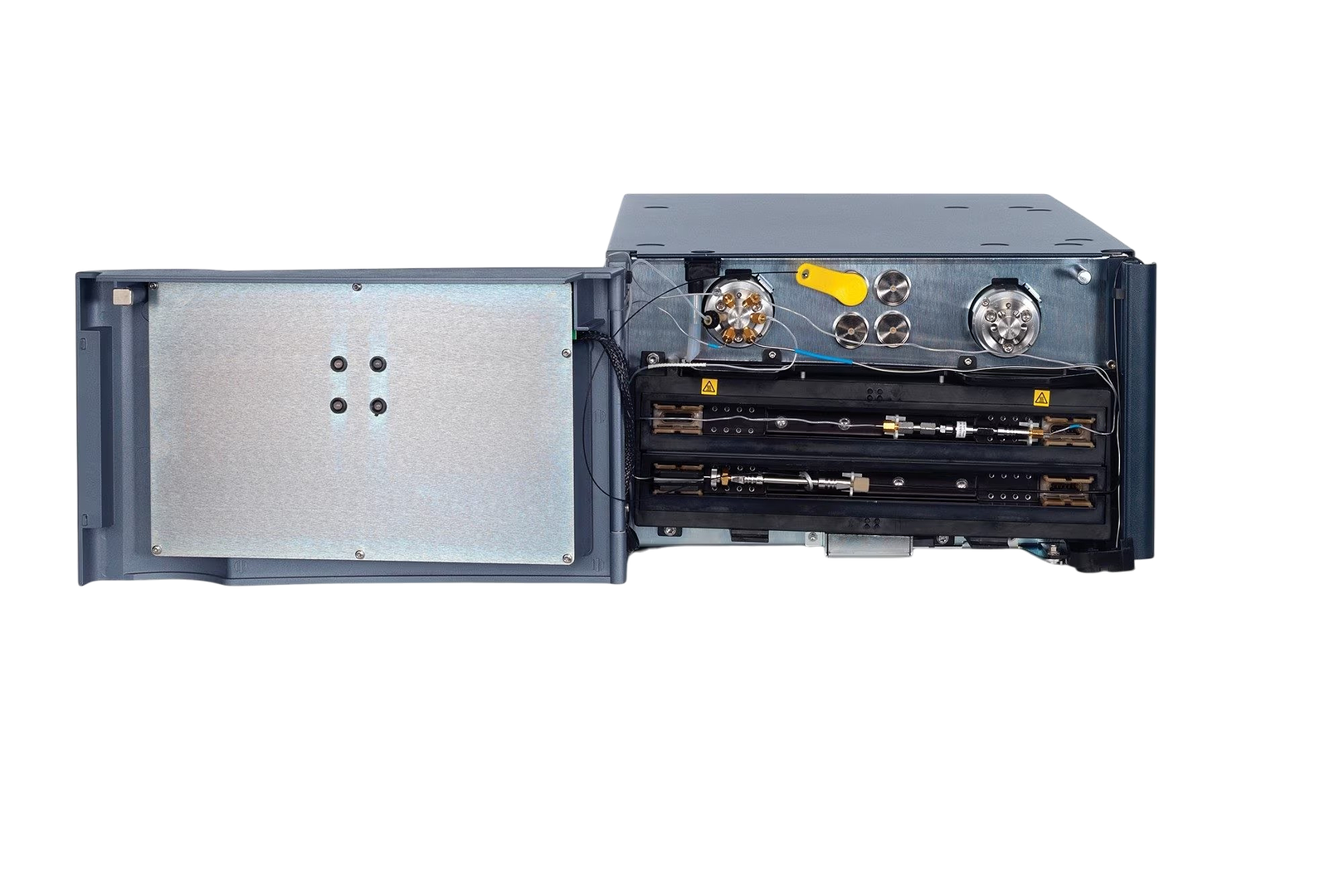
Waters ACQUITY UPLC Column Manager – Designed for Waters UPLC environments, with precise thermal control and configurations that can support multiple columns and advanced method workflows.
Shimadzu CTO-20A Column Oven – A popular column temperature-control module used with Shimadzu Prominence HPLC systems for routine and advanced analytical separations.
Thermo Scientific Dionex UltiMate 3000 Column Compartment – A well-known HPLC/UHPLC module used for precise column temperature management within UltiMate 3000 chromatography systems.
Waters Alliance Column Heater / Column Oven Modules – Commonly used in established Waters HPLC systems where stable column temperature is needed for routine analytical methods.
Why Used HPLC Column Compartments Can Be a Smart Purchase
A failed column compartment does not necessarily justify replacing an entire chromatography system. A compatible used HPLC column oven or thermostatted compartment can restore temperature control at a fraction of the cost of a new platform.
Used modules are particularly useful for maintaining legacy HPLC systems that still support validated methods. Replacing only the affected component can avoid method redevelopment, software migration, and retraining that may accompany a full system replacement. Condition and compatibility are more important than age alone. A tested column compartment with stable temperature performance and the correct communication hardware can provide years of additional service in an established chromatography setup.
Choosing the Right HPLC Column Compartment
The best HPLC column compartment is the one that matches the system architecture, column dimensions, temperature requirements, and analytical methods already in use. A routine QC lab may only need reliable heating and stable temperature control, while a method-development group may benefit from cooling, column switching, and broader configuration flexibility.
Staying within the same instrument family can simplify installation and software integration, especially when replacing an existing module. Standalone or more flexible compartments may also work well in custom chromatography setups where system architecture is less restrictive. By comparing temperature capability, stability, column capacity, software support, accessories, and overall condition, laboratories can choose a column compartment or HPLC column oven that improves chromatographic consistency without overspending on unnecessary features.
Looking for HPLC Column Compartments & Chromatography Equipment?
Explore ProTech Supply’s inventory of used HPLC column ovens, thermostatted column compartments, pumps, autosamplers, detectors, and complete liquid chromatography systems, or consign your surplus analytical equipment to reach qualified buyers.
info@rebio.com