
Laboratory Ovens for Drying, Curing & Thermal Processing
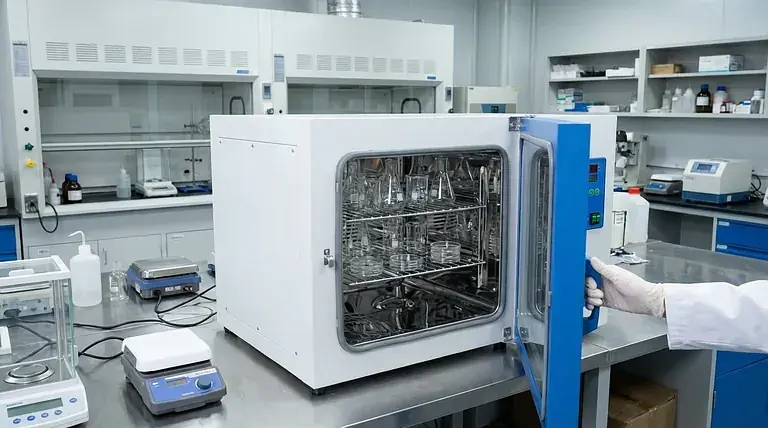
Laboratory ovens are widely used in research, manufacturing, quality control, electronics, materials science, pharmaceutical, semiconductor, and industrial environments for controlled heating, drying, curing, sterilization, and thermal processing. Depending on the application, a lab may use a gravity convection oven, forced-air oven, vacuum oven, UV curing oven, cleanroom oven, or high-temperature furnace-style system. Each design serves a different purpose, so selecting the correct oven type is important for temperature uniformity, process repeatability, sample protection, and overall workflow efficiency.
For organizations comparing used laboratory ovens, industrial drying ovens, gravity ovens, convection ovens, vacuum ovens, and UV curing systems, chamber size, temperature range, airflow, heating method, control accuracy, power requirements, and process compatibility should all be considered. A general-purpose drying oven may be ideal for routine heating, while an electronics or adhesive workflow may require UV curing rather than thermal convection. Matching the oven to the actual process can improve consistency while avoiding unnecessary equipment cost.
What Is a Laboratory Oven?
A laboratory oven is a controlled heating chamber designed to maintain a selected temperature for samples, materials, components, or equipment. Unlike household ovens, laboratory ovens are built for repeatable operation, tighter temperature control, and applications where process consistency is important. They are commonly used for drying glassware, curing coatings, conditioning materials, heat treating components, baking electronics, and performing controlled thermal tests.
Modern laboratory ovens may use natural convection, forced-air circulation, vacuum, infrared, UV light, or other energy sources depending on the application. Some are optimized for uniform chamber temperature, while others are designed for faster recovery, low-oxygen operation, solvent removal, or specialized curing. Understanding these differences is important because two units described as “ovens” may perform very different functions.
Main Types of Laboratory Ovens
Gravity Convection Ovens
Gravity convection ovens rely on natural air movement inside the chamber rather than a powered circulation fan. As heated air rises and cooler air falls, heat is distributed throughout the chamber in a relatively gentle manner. This makes them useful for applications where strong airflow could disturb lightweight samples, powders, films, or delicate materials.
They are commonly used for drying, baking, conditioning, glassware heating, and general laboratory thermal processing. Their relatively simple design can also mean lower maintenance requirements compared with more complex forced-air systems. For routine laboratory heating where extreme temperature uniformity is not the primary concern, a gravity oven can provide a practical and cost-effective solution.
Forced-Air Convection Ovens
Forced-air laboratory ovens use a fan to circulate heated air through the chamber, improving temperature uniformity and recovery time. They are commonly selected when laboratories need more consistent heating across multiple shelves or when the chamber is opened frequently during operation. Faster air movement can also help reduce drying time compared with natural convection.
These ovens are widely used in pharmaceutical, electronics, materials, chemical, and manufacturing laboratories. They are especially valuable for batch processing where multiple samples need similar thermal exposure. Chamber airflow, shelf loading, and fan design can all influence real-world performance, so system configuration should be reviewed carefully before purchase.
Vacuum Ovens
Vacuum ovens combine controlled heating with reduced pressure, allowing materials to dry or process at lower temperatures than they might require under normal atmospheric conditions. Lower pressure helps remove moisture, solvents, and trapped gases while reducing oxidation and thermal stress. This makes vacuum ovens particularly useful for heat-sensitive materials and applications involving delicate chemical or electronic components.
Common uses include solvent removal, drying polymers, electronics processing, battery research, materials conditioning, and pharmaceutical applications. Vacuum pump compatibility, chamber sealing, temperature control, and vacuum level are important considerations. A used vacuum oven may also require compatible pumps, hoses, fittings, and gauges before it can be returned to service.
UV Curing Ovens and UV LED Curing Systems
A UV curing oven is different from a conventional thermal laboratory oven because it uses ultraviolet energy rather than primarily relying on heated air. UV systems are designed to cure photosensitive adhesives, coatings, inks, resins, encapsulants, and other materials that harden when exposed to a specific wavelength range.
These systems are common in electronics assembly, optics, medical device manufacturing, coatings, printing, and adhesive bonding. UV LED curing systems offer fast on/off operation and targeted wavelength output, which can reduce thermal exposure compared with traditional heat curing. Wavelength compatibility is critical, because the adhesive or coating must respond to the specific UV output of the system.
High-Temperature and Specialty Ovens
Some laboratory and industrial workflows require temperatures beyond those offered by standard drying ovens. High-temperature ovens and furnace-style systems are used for heat treatment, materials testing, ashing, ceramics, metal processing, and advanced research.
Specialized ovens may also be designed for cleanrooms, inert atmosphere processing, electronics baking, or controlled humidity. These systems should be selected around the process rather than general oven terminology. Temperature ceiling, chamber materials, ventilation, atmosphere control, and electrical requirements become increasingly important in these higher-performance applications.
Common Applications for Laboratory Ovens
Laboratory ovens and industrial thermal processing systems are used across a wide range of scientific and manufacturing environments.
Common applications include:
- Drying laboratory glassware
- Sample conditioning
- Adhesive and coating curing
- Electronics baking
- Polymer processing
- Material aging studies
- Pharmaceutical testing
- Semiconductor component processing
- Solvent and moisture removal
- Quality control testing
The same oven type may support several different applications, but process requirements can vary significantly. A pharmaceutical lab may prioritize temperature stability and documentation, while an electronics manufacturer may care more about chamber cleanliness, cure time, and material compatibility. Understanding the end use helps narrow the equipment category quickly.
What to Consider When Purchasing a Laboratory Oven
When purchasing a used laboratory oven, the most important factor is whether the oven is suited to the actual process. Temperature range alone is not enough; airflow, chamber size, heat source, atmosphere, control accuracy, and sample sensitivity all influence whether the equipment is appropriate.
Important considerations include:
- Maximum operating temperature
- Temperature uniformity and stability
- Chamber size and shelf capacity
- Gravity or forced-air circulation
- Vacuum capability
- UV wavelength, if applicable
- Temperature controller type
- Electrical voltage and phase
- Ventilation requirements
- Overall equipment condition
Mechanical and thermal condition should also be evaluated. Door seals, heaters, fans, temperature sensors, controllers, shelves, chamber surfaces, and insulation can all affect performance. On vacuum units, chamber integrity and seals matter greatly, while UV systems should be checked for lamp or LED condition and wavelength output.
Complete systems generally offer better value. Shelves, trays, racks, vacuum fittings, lamps, power supplies, controllers, and other accessories may be expensive or difficult to replace individually. Confirming exactly what is included before purchase can reduce installation time and unexpected setup costs.
Recommended Laboratory Ovens & Curing Systems
Below are several recognized laboratory ovens, drying ovens, convection ovens, vacuum ovens, and curing systems used in research and industrial environments.
Thermo Lindberg Blue M Gravity Oven – A general-purpose gravity convection laboratory oven designed for controlled heating, drying, and thermal processing. It is well suited for laboratories needing a straightforward oven for routine sample conditioning, glassware drying, or material heating without aggressive forced airflow.
Height-LED UVLED Curing Oven HTBX-II – A specialized UV LED curing system designed for materials that respond to 400–410 nm ultraviolet light. It is suited for curing UV-sensitive adhesives, coatings, inks, resins, and other photo-reactive materials in electronics, optical, manufacturing, and research applications.
Thermo Scientific Heratherm General Protocol Ovens – Widely used laboratory ovens for routine heating and drying applications in research, pharmaceutical, and quality-control environments. These systems are popular for their straightforward operation and broad laboratory use.
Binder ED Series Drying Ovens – Well-known natural-convection drying ovens used for controlled heating, conditioning, and routine laboratory applications. Binder systems are common in pharmaceutical, industrial, and academic laboratories.
Memmert Universal Ovens – Popular general-purpose laboratory ovens used for drying, warming, testing, and materials conditioning. They are widely recognized in research and quality-control settings where stable thermal performance is important.
Thermo Scientific Vacutherm Vacuum Ovens – Vacuum drying systems used for heat-sensitive samples, solvent removal, and controlled low-pressure thermal processing. These are especially relevant for pharmaceutical, materials, chemical, and electronics applications.
Why Used Laboratory Ovens Can Offer Strong Value
New laboratory drying ovens, vacuum ovens, and specialty curing systems can represent a significant investment, particularly when larger chambers, advanced controllers, vacuum capability, or specialized UV hardware are required. A tested used oven can provide access to proven equipment at a much lower acquisition cost while still supporting established laboratory or manufacturing workflows. This can be especially useful for startups, research groups, production expansion, and facilities adding backup capacity.
Used equipment is also valuable when a facility already operates the same oven family. Keeping the same platform can reduce retraining, simplify spare-part management, and preserve existing process settings or fixtures. In many cases, a complete used system can be placed into service faster than replacing the workflow with a completely different oven design.
Choosing the Right Laboratory Oven
The best laboratory oven is the one that matches the process, temperature range, sample type, chamber size, and required level of airflow or atmosphere control. A gravity convection oven may be ideal for gentle drying, while a forced-air oven can offer more uniform heating, a vacuum oven can handle heat-sensitive materials, and a UV curing system can process photo-reactive adhesives or coatings far more efficiently than a conventional thermal oven.
Equipment should be selected around real workflow requirements rather than the broad “lab oven” category alone. By comparing heating method, temperature capability, chamber configuration, accessories, power requirements, and overall condition, laboratories can select used laboratory ovens and curing systems that improve process consistency without paying for unnecessary features.
Looking for Laboratory Ovens & Thermal Processing Equipment?
Explore our inventory of used laboratory ovens, gravity convection ovens, vacuum ovens, UV curing systems, and industrial thermal equipment, or consign your surplus equipment to connect with qualified buyers.
info@rebio.com