
Laboratory Moisture Testing: Analyzers, Balances & Drying Methods
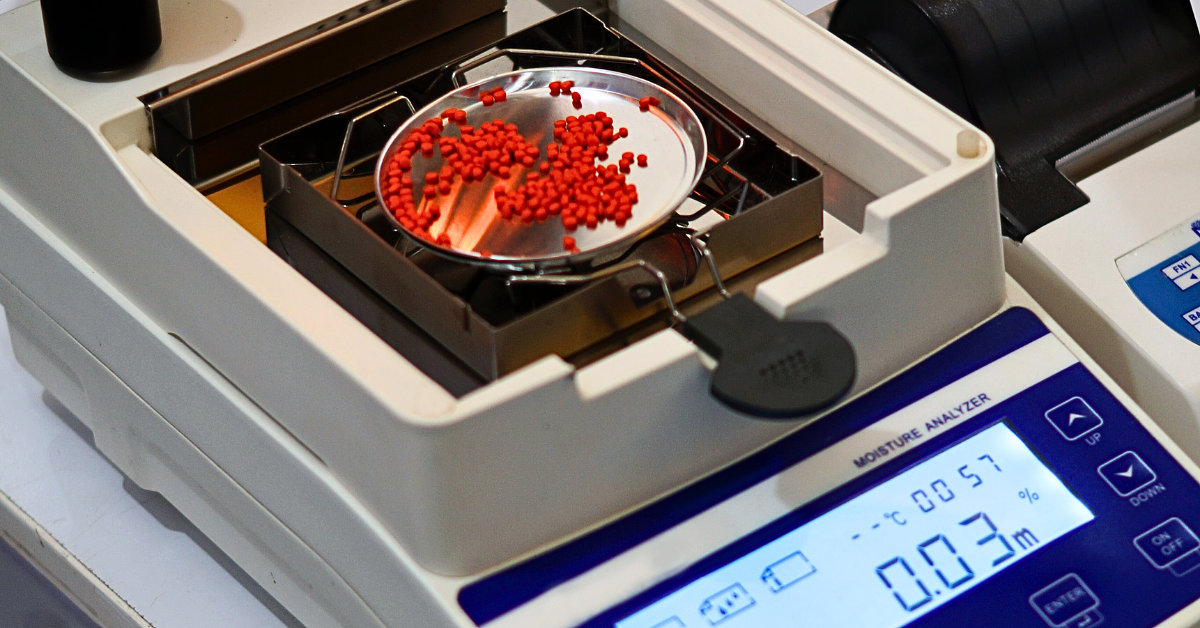
Moisture analyzers are widely used in food production, pharmaceuticals, chemicals, plastics, agriculture, environmental testing, cosmetics, materials science, and manufacturing to determine the amount of moisture present in a sample. Moisture content can directly affect product quality, shelf life, processing behavior, weight, stability, and compliance, making fast and repeatable testing important across both laboratory and production environments.
For organizations comparing moisture analyzers, moisture balances, halogen moisture analyzers, infrared moisture analyzers, loss-on-drying systems, and used moisture analysis equipment, the right instrument depends on sample type, required accuracy, heating method, test speed, capacity, software, and workflow. A simple moisture balance may be ideal for routine QC, while a more specialized analyzer may be needed for heat-sensitive materials, low-moisture samples, or applications requiring tighter control and documentation.
What Is a Moisture Analyzer?
A moisture analyzer is an instrument designed to measure the amount of moisture in a sample, usually by comparing sample weight before and after controlled heating. In many systems, the sample is placed on an integrated balance while a halogen, infrared, or other heating source removes moisture. The instrument continuously tracks weight loss and calculates the percentage of moisture present.
This approach is commonly referred to as loss-on-drying moisture analysis. Unlike a traditional drying oven workflow, which may require separate weighing, heating, cooling, and reweighing, a moisture analyzer combines those steps into a single instrument. This can significantly reduce testing time and simplify routine quality-control measurements.
Modern moisture analyzers may include programmable heating profiles, automatic shutoff criteria, data storage, method libraries, connectivity, and software for documentation. These features can improve repeatability, especially when multiple operators or production shifts perform the same test.
Why Moisture Content Matters
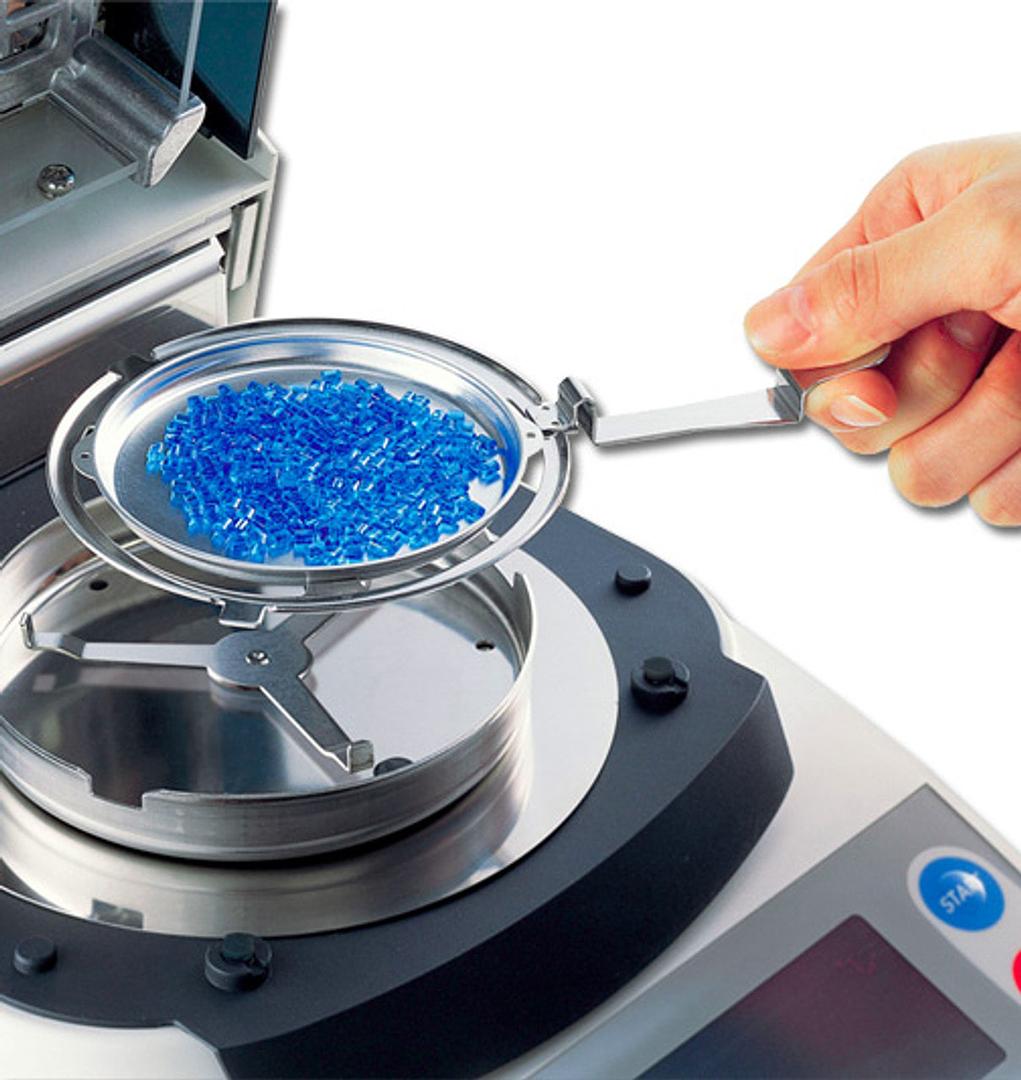
Moisture can have a major effect on how a product performs during manufacturing and after it reaches the customer. Too much moisture can cause clumping, microbial growth, poor flow, degradation, corrosion, or inconsistent weight, while too little moisture can affect texture, brittleness, processing, or product performance.
In food and agriculture, moisture content can influence shelf life, storage stability, and product value. In pharmaceuticals and chemicals, excess moisture can alter formulation behavior or product stability. In plastics, powders, and advanced materials, even relatively small changes in moisture can affect processing, molding, adhesion, or final material properties.
Routine moisture content testing gives laboratories and manufacturers a fast way to verify consistency between batches. It can also help operators identify process changes before they create larger quality problems downstream.
Main Types of Moisture Analyzers
Halogen Moisture Analyzers
Halogen moisture analyzers are among the most common systems used for rapid moisture determination. They use a halogen heating element to warm the sample while an integrated precision balance continuously measures weight loss.
These systems are popular in food, pharmaceutical, chemical, plastics, and general quality-control applications because they combine relatively fast heating with straightforward operation. Halogen systems can support a broad range of routine samples and often include programmable methods for different products.
When evaluating a halogen moisture analyzer, sample size, maximum temperature, balance resolution, heating profiles, and method repeatability should all be considered. A system with flexible drying programs can be especially useful when a laboratory tests multiple sample types.
Infrared Moisture Analyzers
Infrared moisture analyzers use infrared energy to heat the sample and remove moisture. Like halogen systems, they typically monitor weight change during the drying cycle and calculate the final moisture percentage.
Infrared analyzers are used in many of the same environments as halogen instruments, including food, agriculture, chemicals, and manufacturing QC. Performance depends on the sample's ability to absorb infrared energy and on how evenly the material is distributed across the sample pan.
For routine testing, infrared moisture analyzers can provide a practical alternative to lengthy oven-drying methods. The best system depends on required speed, sample characteristics, and the level of control needed over the heating process.
Microwave and Specialized Moisture Systems
Some applications use microwave moisture analyzers or other specialized techniques to achieve faster drying or handle materials that respond poorly to conventional heating. These systems may be useful in industrial processing, high-throughput environments, or applications involving difficult sample matrices.
Other moisture measurement technologies include capacitance, Karl Fischer titration, near-infrared analysis, and sensor-based inline systems. These technologies measure moisture differently and should not be treated as direct replacements for gravimetric loss-on-drying instruments.
The correct method depends on the expected moisture level, sample chemistry, required accuracy, and whether the measurement needs to be performed in the lab or directly in the production line.
Common Applications for Moisture Analyzers
Moisture analysis equipment is used across a broad range of industries.
Common applications include:
- Food and beverage quality control
- Pharmaceutical raw materials
- Chemical powders and formulations
- Plastics and polymers
- Grain, feed, and agricultural products
- Cosmetics and personal care products
- Paper and packaging
- Environmental samples
- Construction materials
- General manufacturing QC
In food production, moisture testing can help control texture, shelf life, and batch consistency. In plastics and polymers, moisture can interfere with molding and processing, making pre-production testing important. Research and development laboratories also use moisture analyzers when comparing formulations or evaluating how materials respond to drying, storage, or environmental exposure. Fast moisture testing can make it easier to screen multiple samples without tying up a drying oven for long periods.
Moisture Analyzers vs. Drying Ovens
Traditional loss-on-drying oven methods can provide reliable moisture measurements, but they require separate weighing and drying steps and may take hours to complete. A moisture analyzer combines the balance and heat source into a single platform, allowing results to be generated much more quickly.
This makes moisture analyzers particularly valuable in production and quality-control environments where rapid decisions are needed. Operators can test a sample, review the result, and make process adjustments without waiting for a full oven cycle. Drying ovens still have advantages for certain reference methods, large sample volumes, or specialized procedures. A moisture analyzer is best viewed as a faster, more integrated testing option rather than a universal replacement for every oven-based method.
What to Consider When Purchasing a Moisture Analyzer
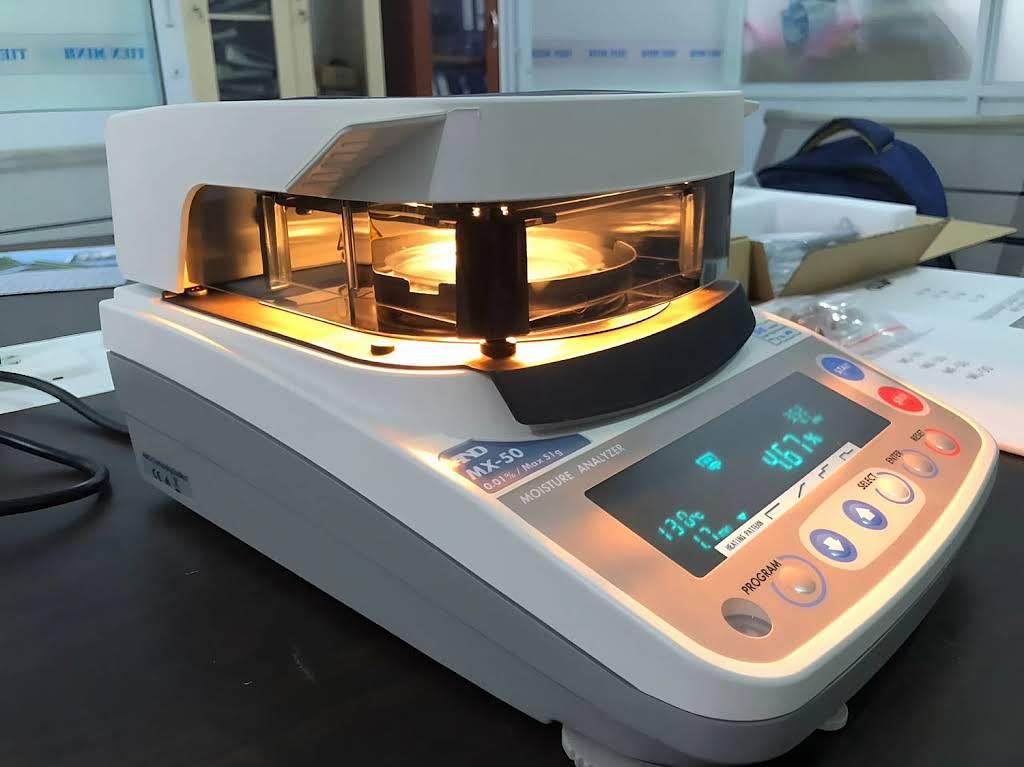
When purchasing a used moisture analyzer, the first step is defining the sample type and expected moisture range. A system used for high-moisture food products may have different requirements than one used for low-moisture polymers or pharmaceutical powders.
Important considerations include:
- Maximum sample capacity
- Balance resolution
- Heating method
- Maximum drying temperature
- Temperature control
- Drying program flexibility
- Test speed
- Automatic endpoint detection
- Data storage and software
- Sample pan availability
- Overall instrument condition
Balance performance is especially important because moisture results are calculated from relatively small changes in sample weight. A worn or unstable balance can directly affect repeatability, even if the heating system is functioning normally. The heater, temperature sensor, lid mechanism, sample chamber, display, and control electronics should also be reviewed. A complete used system with pans, calibration weights, cables, software, and documentation can provide better value than a bare instrument that requires additional accessories.
Recommended Moisture Analyzers
Below are several widely recognized moisture analyzer and moisture balance platforms used in laboratory and quality-control environments.
Mettler Toledo HX204 Moisture Analyzer – A high-performance halogen moisture analyzer used for precise and repeatable moisture testing in pharmaceutical, chemical, food, and industrial laboratories. It is well suited for users who need advanced method control and strong analytical performance.
Mettler Toledo HE73 / HE53 Moisture Analyzers – Popular routine moisture balances designed for straightforward loss-on-drying measurements. These systems are commonly used in manufacturing and quality-control environments where ease of operation and repeatability are priorities.
Sartorius MA Series Moisture Analyzers – Well-known gravimetric moisture analyzers used across food, pharmaceutical, chemical, plastics, and general laboratory applications. Sartorius systems are widely recognized for integrated weighing and controlled drying workflows.
OHAUS MB Series Moisture Analyzers – Common laboratory moisture analyzers used for routine QC and production testing. These systems offer flexible heating methods and user-friendly operation for a variety of sample types.
A&D MX / MF Series Moisture Analyzers – Compact moisture testing systems used in food, agriculture, chemicals, and industrial quality-control applications. They are popular where straightforward operation and consistent routine testing are more important than advanced research functionality.
Shimadzu MOC Series Moisture Balances – Moisture analyzers designed for gravimetric loss-on-drying testing across laboratory and production environments. These systems are commonly used for routine materials and product moisture measurements.
Why Used Moisture Analyzers Can Offer Strong Value
New moisture analysis systems can be relatively expensive once higher-resolution balances, programmable heating, software, and advanced data-management features are included. A tested used moisture analyzer can provide reliable routine performance at a lower acquisition cost, making it attractive for quality-control labs, manufacturers, universities, and facilities adding backup capacity.
Used systems can be especially valuable when a facility already operates the same model family. Existing methods, sample pans, accessories, operator training, and quality procedures may remain compatible, reducing setup time and avoiding unnecessary workflow changes. Condition should still be evaluated carefully. A complete instrument with stable weighing performance, consistent heating, functioning sensors, and available accessories can offer much better value than a lower-priced unit that requires calibration or component replacement before use.
Choosing the Right Moisture Analysis System
The best moisture analyzer depends on sample type, moisture range, required precision, heating behavior, and throughput. Routine food or chemical QC may only require a straightforward halogen analyzer, while pharmaceutical or materials applications may benefit from more advanced method control and higher balance resolution.
Testing speed should also be balanced against accuracy and repeatability. Aggressive heating can shorten cycle time but may scorch or decompose certain materials, while slower drying may produce more consistent results for sensitive samples. Selecting flexible heating profiles can help accommodate a wider range of materials. By comparing balance resolution, heating technology, temperature control, software, sample capacity, accessories, and overall condition, laboratories can choose moisture analysis equipment that fits the workflow without paying for unnecessary features.
Looking for Moisture Analyzers & Quality-Control Equipment?
Explore our inventory of used moisture analyzers, moisture balances, laboratory scales, drying equipment, and analytical instruments, or consign your surplus equipment to connect with qualified buyers.
info@rebio.com