
Biolayer Interferometry Systems for Label-Free Biomolecular Interaction Analysis
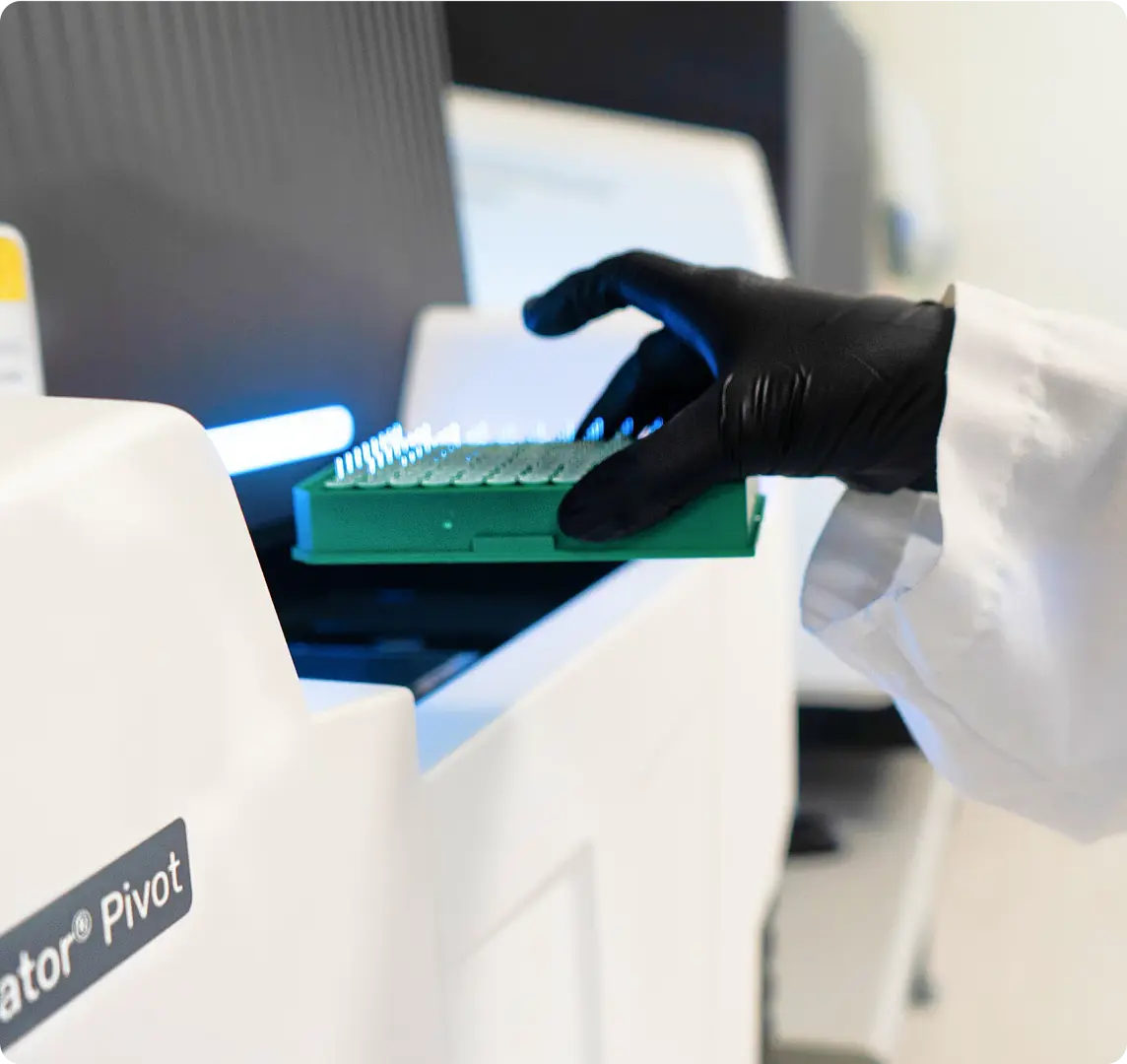
Biolayer Interferometry (BLI) systems are widely used in biotechnology, pharmaceutical development, antibody research, protein characterization, biomolecular interaction analysis, and bioprocess development. These instruments provide real-time, label-free measurement of biomolecular binding by monitoring changes at the surface of an optical biosensor. This allows researchers to study binding affinity, association and dissociation rates, concentration, specificity, and other interaction characteristics without relying on fluorescent or radioactive labels.
Organizations comparing BLI systems, biolayer interferometry analyzers, label-free interaction analyzers, protein binding analyzers, and used biomolecular analysis equipment should consider throughput, number of channels, assay format, sensor compatibility, kinetic range, software, automation, sample volume, and long-term consumable availability. A small research lab may only need a lower-throughput platform for routine kinetics and quantitation, while a drug discovery or antibody development group may require parallel measurements, automated plate handling, and more advanced data analysis. Choosing the right BLI platform can improve assay efficiency while reducing hands-on time and simplifying interaction analysis.
What Is Biolayer Interferometry?
Biolayer Interferometry is an optical biosensing technique used to measure biomolecular interactions in real time. A biosensor tip is coated with a capture chemistry that binds a target molecule, and changes in the optical interference pattern are measured as additional molecules bind or dissociate from the sensor surface. Because the method detects changes in optical thickness directly, fluorescent labels or radioactive tags are generally not required.
BLI systems are commonly used to analyze interactions involving antibodies, proteins, peptides, nucleic acids, viral particles, and other biomolecules. The technology can provide both kinetic and equilibrium information, including association rate, dissociation rate, and binding affinity. Depending on the platform and assay design, BLI can also support concentration measurements, epitope binning, screening, and other high-throughput workflows.
Why BLI Is Valuable in Drug Discovery and Biologics Research
One of the biggest advantages of BLI analysis is the ability to collect real-time binding data with relatively simple sample handling. Rather than labeling every sample or moving through several wash-heavy assay steps, users can often monitor binding directly at the sensor surface. This can reduce assay development time and make it easier to compare multiple antibodies, proteins, or formulations under the same experimental conditions.
BLI is particularly useful in antibody discovery, biologics development, biosimilar characterization, vaccine research, and protein engineering. Researchers can compare candidates based not only on whether they bind, but also on how quickly binding occurs and how stable the interaction remains. This richer kinetic information can help narrow large candidate pools and support more informed development decisions earlier in the workflow.
Common Applications for BLI Systems
Biolayer interferometry systems are used across a broad range of biomolecular research and development workflows.
Common applications include:
- Binding kinetics
- Affinity measurement
- Antibody screening
- Protein-protein interaction analysis
- Antibody-antigen characterization
- Epitope binning
- Protein quantitation
- Viral vector and AAV analysis
- Bioprocess monitoring
- Biosimilar characterization
- Drug discovery screening
- Biomarker research
The same platform may support both exploratory research and more standardized analytical workflows depending on sensor type and software configuration. This versatility is one reason BLI has become a common tool in pharmaceutical and biotechnology laboratories that need flexible interaction analysis without relying on a single assay format.
BLI vs. SPR
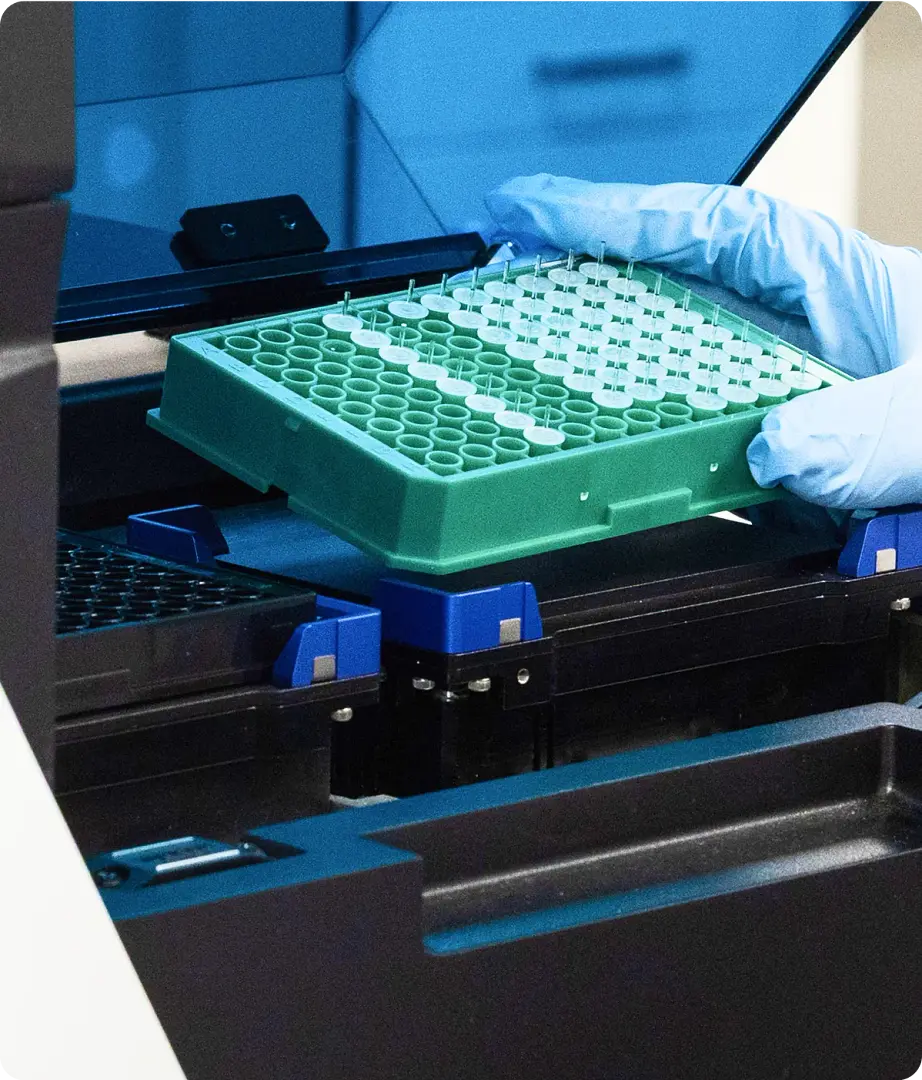
Biolayer Interferometry and Surface Plasmon Resonance (SPR) are both label-free technologies used to study biomolecular interactions, but they use different optical principles and fluid-handling approaches. SPR systems typically rely on microfluidics to move samples across a sensor surface, while many BLI systems use disposable biosensor tips that dip directly into wells containing the sample.
BLI can offer simpler fluid handling and can be well suited for parallel or plate-based screening workflows. SPR is often favored for highly detailed kinetic characterization and may offer advantages for certain low-molecular-weight interactions or specialized assay formats. Neither technology is universally better; the right choice depends on throughput, assay sensitivity, sample type, workflow, and the specific interaction being studied.
Throughput and Parallel Analysis
Throughput is one of the biggest differences between BLI platforms. Entry-level or lower-channel systems may be ideal for routine affinity measurements and smaller research programs, while higher-throughput instruments can process many interactions in parallel across microplates. This can significantly accelerate antibody screening, clone selection, epitope binning, and other discovery workflows.
Parallel analysis also reduces the time required to compare multiple concentrations, controls, or candidate molecules. For larger biotechnology and pharmaceutical teams, the ability to evaluate many samples under standardized conditions can improve both efficiency and reproducibility. Buyers should therefore look carefully at channel count, plate format, automation support, and software workflow rather than focusing only on the base instrument price.
Biosensors and Consumables
Biosensor compatibility is a major consideration when selecting a BLI analyzer because the sensor chemistry determines which molecules can be captured and how the assay is designed. Common sensor chemistries may support antibodies, tagged proteins, biotinylated molecules, nucleic acids, or other target classes.
Consumable availability can have a significant effect on long-term operating cost. A used BLI system may be attractive from a capital-cost perspective, but the platform still needs compatible biosensors, plates, reagents, and software support to remain practical. Before purchasing older equipment, laboratories should confirm that the sensor types required for their assays are still available and supported.
What to Consider When Purchasing a BLI System
When purchasing a used biolayer interferometry system, the first step is defining the assays and throughput required. A lower-throughput platform may be perfectly adequate for characterization work, while discovery labs screening large antibody libraries may benefit much more from parallel channels and automation.
Important considerations include:
- Number of parallel measurement channels
- Supported biosensor types
- Kinetic and affinity measurement capability
- Quantitation workflows
- Sample volume requirements
- Microplate compatibility
- Automation and autosampling
- Software and analysis tools
- Assay development flexibility
- Sensor and consumable availability
- Computer and license compatibility
- Overall instrument condition
Optical performance, sensor alignment, plate movement, communication hardware, and software should all be checked on used systems. A complete platform with computer, software, plate accessories, and sensor holders can provide substantially more value than a bare instrument that requires additional components before it can be used.
Recommended Biolayer Interferometry Systems
Gator Bio Gator Plus – A BLI platform designed for label-free biomolecular interaction analysis across kinetics, affinity, quantitation, and screening workflows. It is well suited for biotechnology and pharmaceutical laboratories that need flexible BLI capability with efficient sample handling and automated analysis.
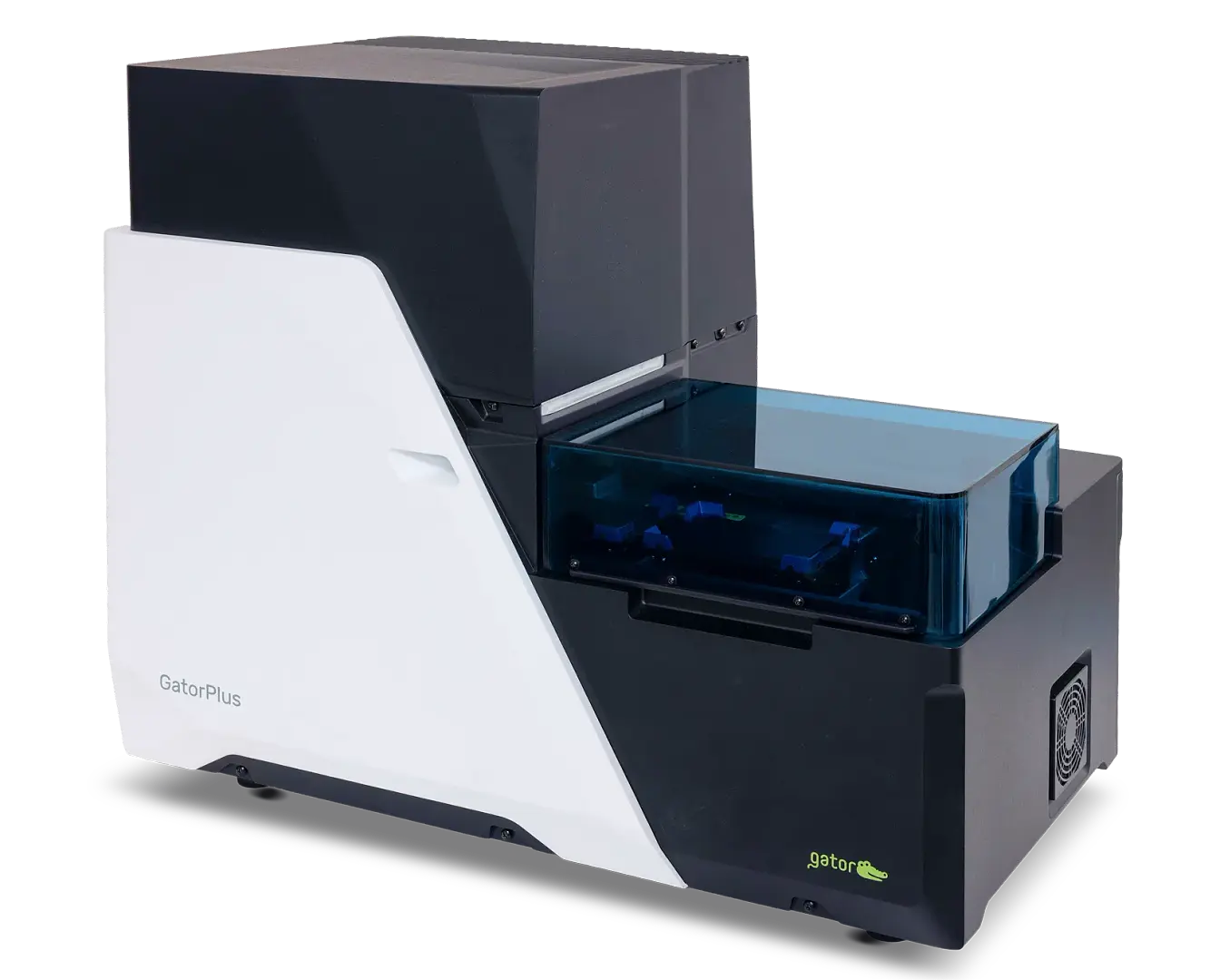
Gator Bio Gator Prime – A compact and versatile biolayer interferometry analyzer used for binding kinetics, affinity measurements, protein quantitation, antibody screening, and related biomolecular interaction studies. It is particularly attractive for laboratories that want label-free analysis without moving immediately to a very high-throughput platform.
Sartorius Octet R8 – A widely recognized BLI system used for kinetic characterization, antibody screening, quantitation, and biomolecular interaction studies. The Octet platform is one of the best-known names in label-free interaction analysis and is commonly found in pharmaceutical, biotechnology, and academic research laboratories.
Sartorius Octet RED96e – A popular higher-throughput BLI platform designed for parallel kinetic and quantitation workflows. It is frequently used in antibody discovery, biologics development, and screening applications where multiple samples and conditions need to be compared efficiently.
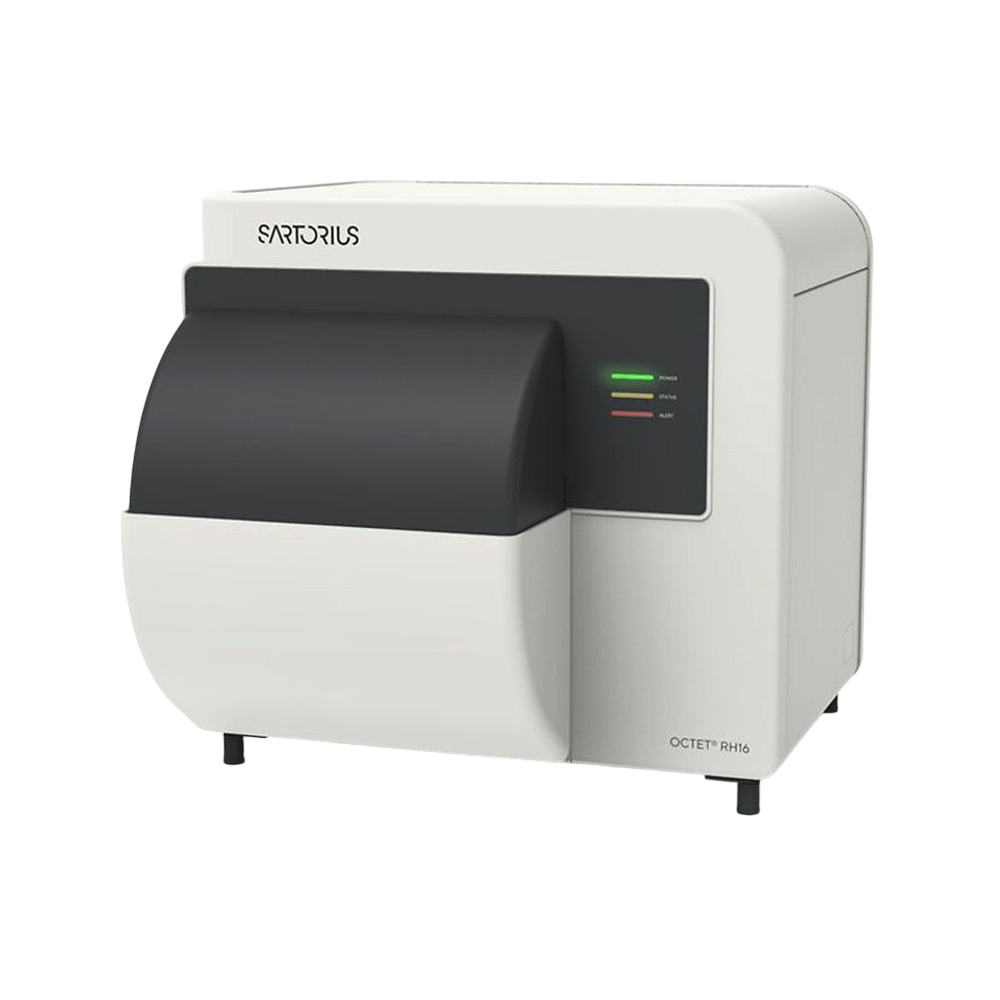
Sartorius Octet RH16 – A higher-capacity BLI system intended for more demanding throughput and screening workflows. It is well suited to organizations that need larger parallel sample capacity for antibody characterization, epitope binning, or discovery programs.
ForteBio BLItz System – A compact legacy BLI platform designed for lower-throughput, rapid biomolecular interaction measurements. BLItz systems remain recognizable in the used market and can be useful for labs that need basic kinetics or quantitation without the footprint and cost of a larger multi-channel platform.
Why Used BLI Systems Can Offer Strong Value
New biolayer interferometry systems can represent a significant investment, especially when high channel counts, automation, advanced software, and large sensor inventories are included. A tested used BLI system can provide access to proven label-free interaction technology at a lower acquisition cost, making it attractive for biotech startups, university labs, CROs, and research groups expanding protein-characterization capacity.
Used systems can be particularly valuable when a lab already operates the same platform family. Existing biosensors, assay methods, software workflows, accessories, and operator experience may remain compatible, reducing setup time and retraining. A complete used instrument with the correct software and accessories can therefore provide far better value than a lower-priced unit missing key components.
Choosing the Right BLI Platform
The right Biolayer Interferometry system depends on assay complexity, throughput, sample volume, and the level of automation required. A small research group performing occasional affinity studies may only need a compact system, while a pharmaceutical discovery team may benefit from higher-channel platforms capable of screening many interactions in parallel.
Consumables and support should be considered alongside instrument performance. Biosensor availability, software compatibility, replacement parts, and automation options all influence long-term usability. By comparing throughput, assay capability, sensor support, software, and overall condition, laboratories can choose a BLI analyzer that fits current research needs without paying for unnecessary capacity.
Looking for Biolayer Interferometry & Biomolecular Interaction Equipment?
Explore our inventory of used BLI systems, label-free interaction analyzers, protein analysis systems, and biotechnology laboratory equipment, or consign surplus instruments to connect with qualified buyers.
info@rebio.com