How Refurbished Equipment Supports Corporate Sustainability Goals
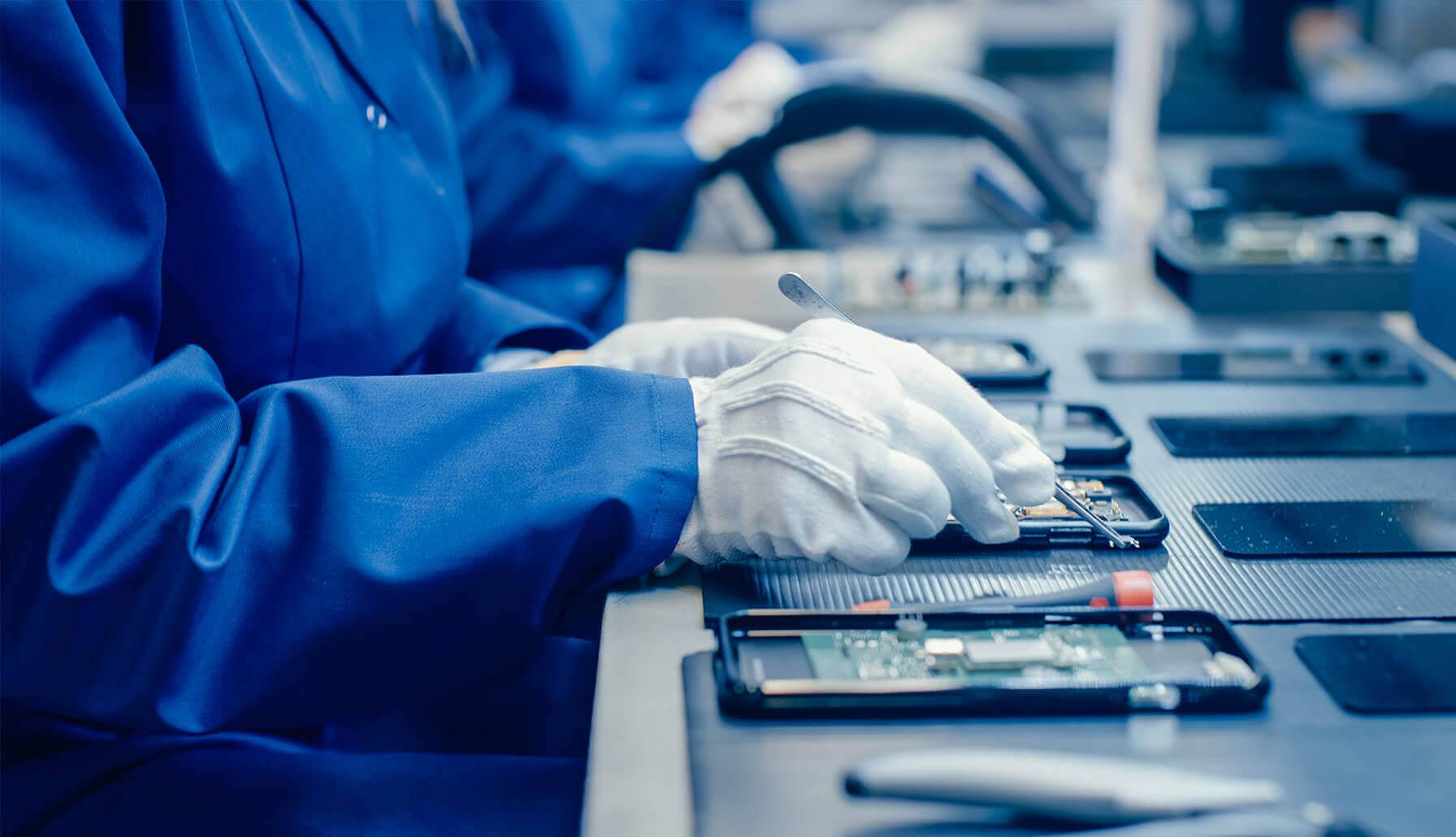
As companies place greater emphasis on corporate sustainability, waste reduction, circular economy strategies, ESG initiatives, and responsible procurement, equipment purchasing decisions are becoming part of the sustainability conversation. One of the most practical ways organizations can reduce waste and extend the useful life of high-value assets is by purchasing refurbished laboratory, industrial, semiconductor, electronic, and test equipment instead of automatically buying new.
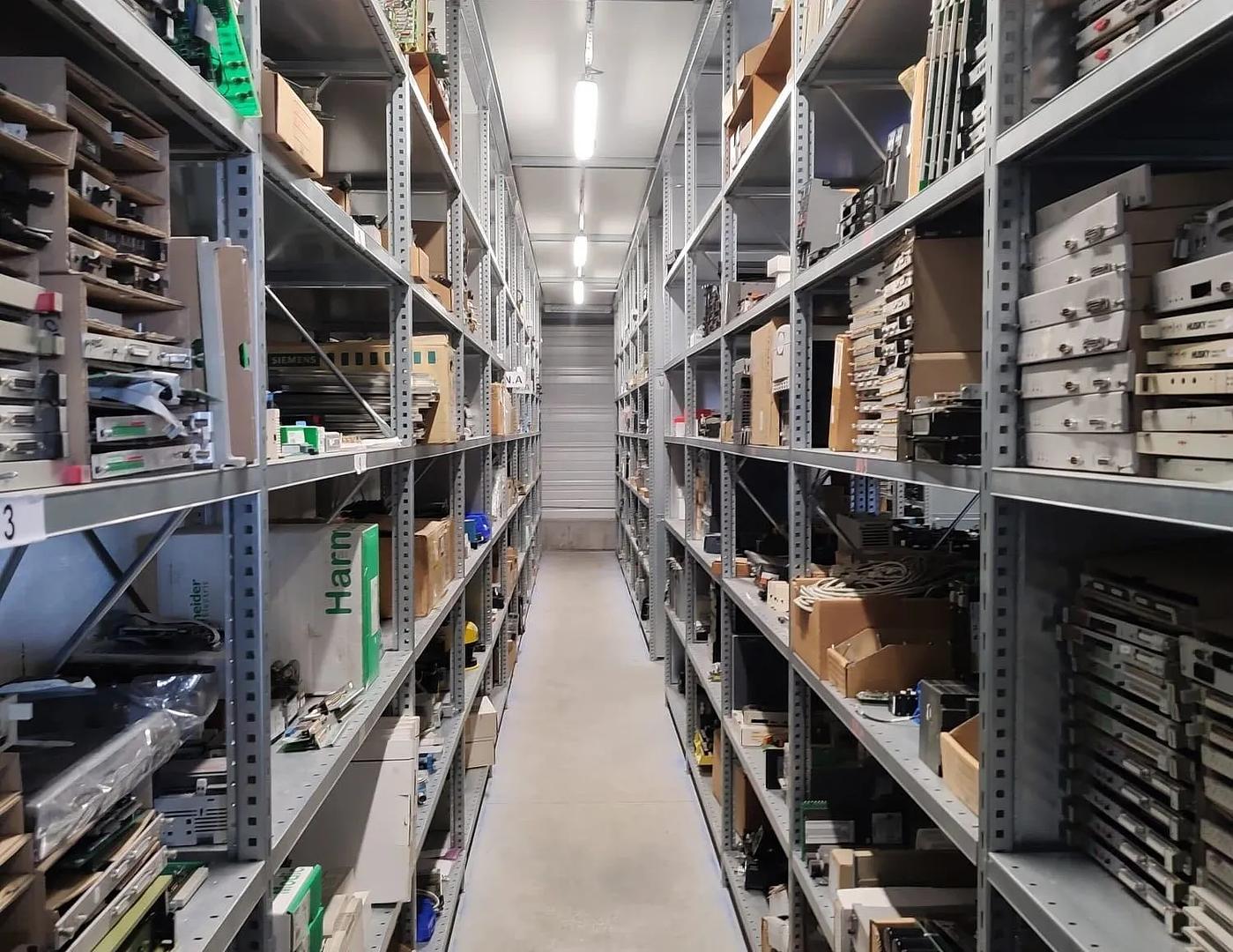
Refurbished equipment supports sustainability by keeping functional assets in service longer, reducing demand for new manufacturing, limiting unnecessary disposal, and creating a secondary market for equipment that still has significant operational value. For companies managing laboratories, manufacturing plants, data centers, fabs, research facilities, and technical operations, this can provide both environmental and financial benefits. When properly sourced, refurbished equipment can support sustainability targets without forcing organizations to compromise on capability or productivity.
Extending the Useful Life of Equipment
One of the clearest sustainability benefits of refurbished equipment is asset life extension. Laboratory instruments, industrial automation systems, test equipment, servers, robots, pumps, analyzers, and other technical assets are often replaced before they are physically incapable of performing useful work. Refurbishment gives that equipment a second lifecycle by inspecting, repairing, cleaning, testing, and preparing it for continued use.
Extending equipment life helps reduce the frequency with which assets move from production environments into storage, liquidation, recycling, or disposal. This is especially important for high-value equipment that contains metals, electronics, motors, optics, circuit boards, displays, and other materials that required significant resources to manufacture. Keeping those systems productive for additional years can reduce the environmental impact associated with premature replacement.
Supporting a Circular Economy
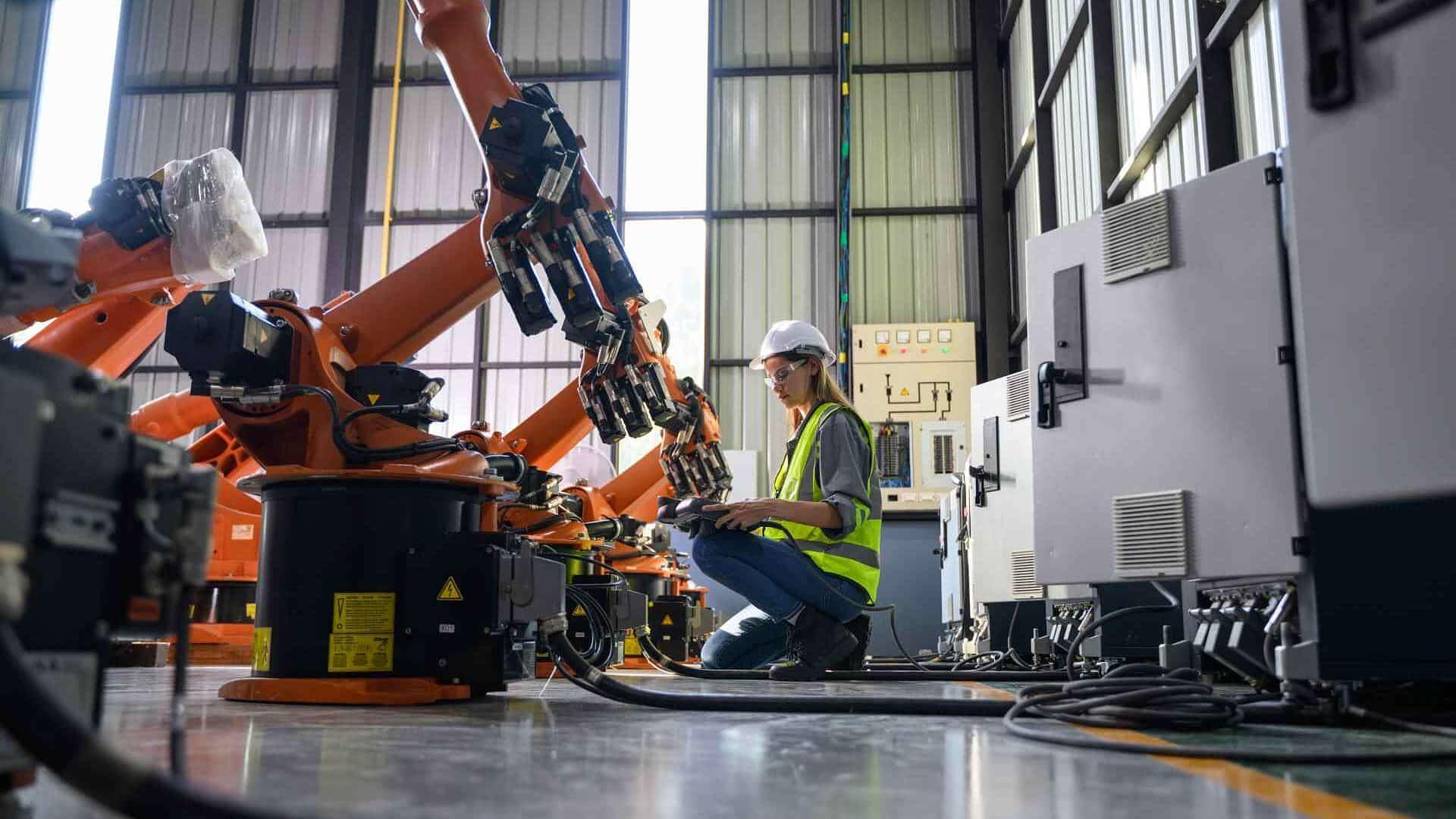
The circular economy focuses on keeping products and materials in productive use for as long as possible rather than following a simple buy-use-dispose model. Refurbished laboratory and industrial equipment fits naturally into this approach because assets can move from one organization to another instead of leaving the productive economy entirely.
A company upgrading a production line, laboratory, or research facility may no longer need certain equipment even though that equipment still has substantial value. Resale, refurbishment, consignment, and redeployment create another route for those assets. The original owner can recover value from surplus equipment, while another organization gains access to functional hardware without requiring a completely new asset to be manufactured.
Reducing Electronic and Industrial Waste
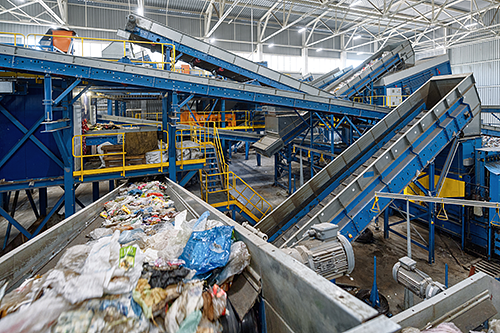
Technical equipment can become a significant source of electronic waste and industrial waste when organizations dispose of systems that could still be repaired or reused. Instruments may contain circuit boards, power supplies, sensors, motors, cables, steel frames, plastics, batteries, and specialized components that require appropriate handling at end of life. Refurbishment can delay that waste stream by returning usable equipment to service.
This does not eliminate the need for responsible recycling. Equipment that is obsolete, unsafe, damaged beyond repair, or no longer supportable may still need to be properly recycled. The more sustainable approach is to evaluate whether an asset has legitimate reuse value first and reserve recycling for equipment that has reached the end of its practical lifecycle.
Lowering Demand for New Manufacturing
Every new piece of equipment requires raw materials, component production, assembly, packaging, transportation, and distribution before it reaches the customer. Purchasing used or refurbished equipment makes use of assets that have already passed through that manufacturing process, potentially reducing the need for an additional new system to be produced for the same application.
The impact can be particularly meaningful for large or complex systems such as analytical instruments, semiconductor equipment, industrial robots, high-performance servers, environmental chambers, chromatography systems, and automated test equipment. These products can contain substantial quantities of metals, electronics, precision components, and specialized materials. Extending the service life of existing systems helps organizations get more productive value from the resources already invested in them.
Sustainable Procurement and Capital Equipment Purchasing
Sustainability goals increasingly affect how companies think about capital equipment procurement. Instead of evaluating equipment solely on purchase price and technical specifications, procurement teams may also consider lifecycle, reuse potential, energy consumption, repairability, and disposal requirements. Refurbished equipment gives organizations another option when building these criteria into purchasing decisions.
This can be particularly useful for backup systems, secondary laboratories, pilot lines, R&D environments, training facilities, and applications where the latest model is not essential. A previous-generation instrument may still perform the required task effectively while costing less and extending the productive life of an existing asset. Procurement teams can therefore balance performance, budget, availability, and sustainability rather than treating new equipment as the default choice.
Refurbished Equipment and ESG Initiatives
Companies pursuing Environmental, Social, and Governance (ESG) objectives often look for measurable ways to reduce waste and improve resource efficiency. Equipment reuse can contribute to the environmental side of these programs by extending asset lifecycles and reducing unnecessary disposal. It can also support internal policies focused on responsible asset management and more efficient use of corporate resources.
The exact way refurbished equipment fits into ESG reporting depends on the organization, its reporting framework, and how it measures procurement and waste. Companies should avoid assuming that every used-equipment purchase automatically produces a specific emissions reduction unless that impact has been properly calculated. Even without assigning an unsupported carbon figure, equipment reuse remains a tangible circular-economy and waste-reduction strategy.
Sustainability Benefits of Selling Surplus Equipment
Sustainability does not only apply when purchasing equipment. Organizations can also improve asset utilization by selling or consigning surplus laboratory and industrial equipment instead of allowing it to sit unused or sending it directly to recycling. Equipment that no longer fits one company's operations may still be valuable to another laboratory, manufacturer, university, startup, or research facility.
A structured surplus-equipment program can help companies identify reusable assets before they become forgotten inventory. Selling equipment while it is still current and supportable can increase its resale value and improve the likelihood that it will return to productive use. This turns asset disposition into part of a broader sustainability strategy rather than treating every retired system as waste.
When Refurbished Equipment Makes the Most Sense
Refurbished equipment is particularly attractive when the required technology is mature and the application does not depend on the newest generation of hardware. Many laboratories and industrial facilities continue to operate established platforms for years because their methods, accessories, software, and staff training are already built around those systems.
Common opportunities include:
- Laboratory analytical instruments
- Chromatography equipment
- Industrial automation systems
- Electronic test equipment
- Semiconductor manufacturing equipment
- Robotics and machine vision systems
- Pumps, chillers, and vacuum equipment
- Data center and computing hardware
- Bioprocess and pharmaceutical equipment
- Quality-control instruments
The decision should still be based on condition, serviceability, support, calibration requirements, software compatibility, and application risk. Sustainability is an advantage, but equipment must still meet the technical and operational requirements of the facility.
What Buyers Should Look for in Refurbished Equipment
Not all used equipment is equal. Organizations should distinguish between equipment that has simply been removed from service and equipment that has been properly inspected, tested, serviced, or refurbished. Clear condition information can help buyers understand what work may be required before the asset can return to operation.
Important considerations include:
- Tested operating condition
- Service and maintenance history
- Calibration status where applicable
- Included accessories and software
- Replacement part availability
- Manufacturer support
- Consumables availability
- Age and operating hours
- Electrical and facility requirements
- Warranty or return terms
A complete, supportable system can often provide more value than a cheaper unit missing critical components. Reviewing total installation and operating costs helps ensure that the sustainability benefits of reuse are matched by a practical long-term equipment decision.
Financial and Sustainability Goals Can Align
One reason refurbished equipment is increasingly attractive is that sustainability and cost reduction can support the same purchasing decision. Extending the life of an existing asset reduces waste while also avoiding the premium associated with new equipment. This can free capital for other priorities without sacrificing access to capable laboratory or industrial systems.
The secondary equipment market can also shorten procurement timelines when new systems have long manufacturing or delivery lead times. Faster availability can help facilities expand capacity, replace failed equipment, or launch new projects without waiting for a new-production unit. When the technical requirements are met, refurbished equipment can therefore support cost, operational, and sustainability goals at the same time.
Building a More Sustainable Equipment Lifecycle
A strong sustainability strategy should consider the entire equipment lifecycle, not just the moment of purchase. Companies can improve asset utilization by maintaining equipment properly, repairing systems when practical, redeploying assets internally, purchasing refurbished equipment where appropriate, and selling surplus systems while they still retain useful value.
When equipment can no longer be reused, responsible recycling remains important. The goal is not to keep every asset indefinitely, but to maximize useful life before material recovery becomes the best option. Combining refurbishment, resale, redeployment, and recycling creates a more complete approach to sustainable laboratory and industrial equipment management.
Looking to Buy or Sell Refurbished Equipment?
We help organizations extend the useful life of laboratory, industrial, semiconductor, automation, electronic, and test equipment through resale and consignment, helping valuable assets stay in productive use longer.
info@rebio.com