The Growing Importance of Responsible E-Waste Management in Research Facilities
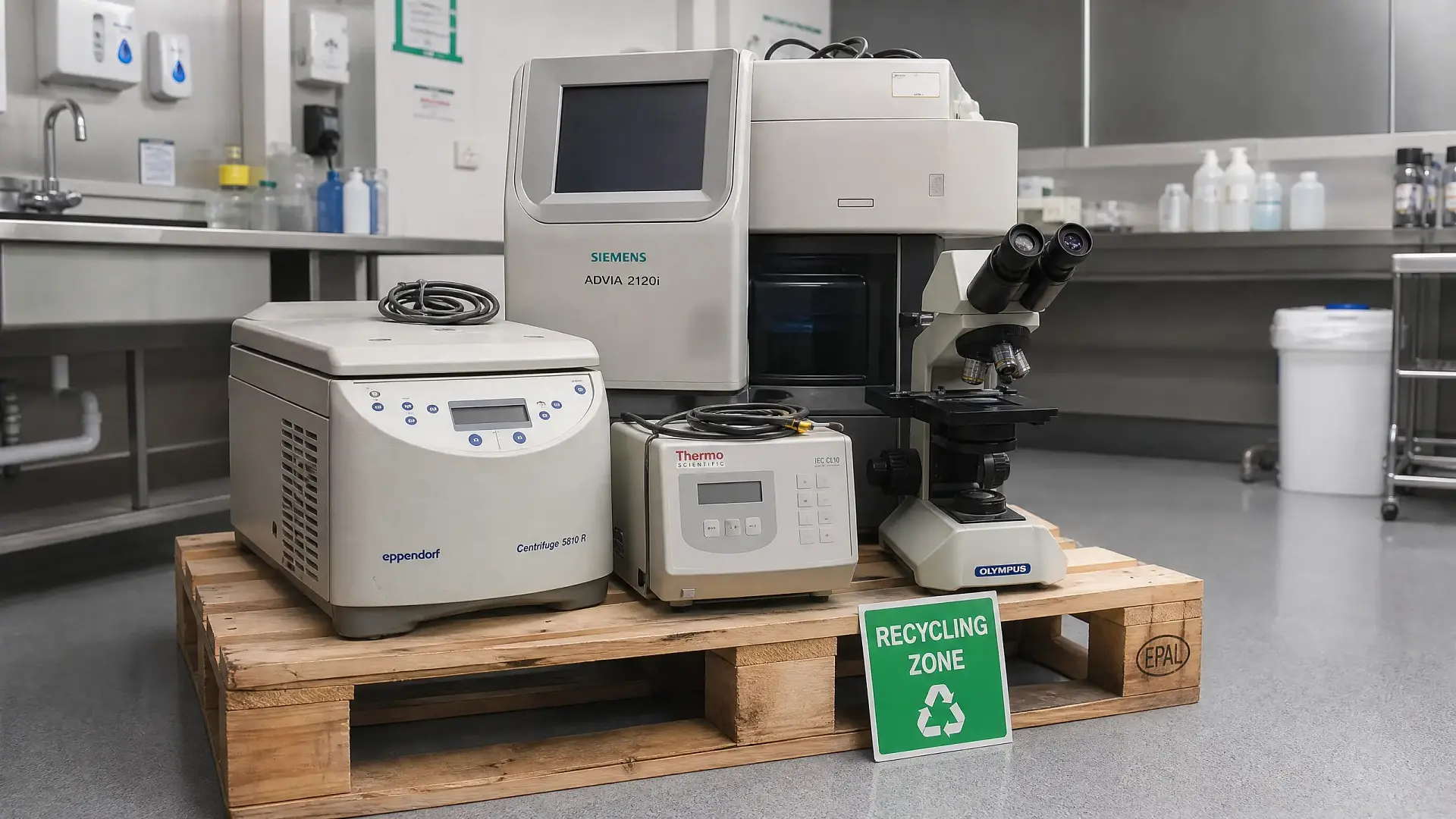
Research facilities, laboratories, universities, biotechnology companies, pharmaceutical organizations, and technology centers generate a growing amount of electronic waste, laboratory equipment, computing hardware, analytical instruments, and obsolete research technology. As equipment cycles shorten and facilities upgrade to newer systems, organizations are under increasing pressure to manage surplus assets responsibly rather than sending everything directly to disposal or recycling.
Effective e-waste management in research facilities is about more than removing old equipment. It involves identifying what can be reused, resold, refurbished, redeployed, donated, or recycled while protecting data, reducing environmental impact, and recovering value from high-cost assets. A well-structured equipment disposition program can help research organizations reduce waste, support sustainability goals, improve asset utilization, and avoid losing valuable equipment that still has useful life.
Why Research Facilities Generate So Much E-Waste
Modern research environments depend heavily on technology. Laboratories may operate analytical instruments, computers, servers, robotics, imaging systems, test equipment, controllers, sensors, data-acquisition hardware, automation systems, and specialized scientific devices. As research priorities change, grant programs end, facilities relocate, or newer technologies are introduced, large volumes of equipment can become surplus even when the hardware is still functional.
This creates a unique e-waste challenge because research equipment is often more complex and more valuable than standard office electronics. A chromatography system, microscope, mass spectrometer, robotic platform, or semiconductor test instrument may contain specialized components that still have strong resale or reuse value. Treating these assets as ordinary electronic waste can result in unnecessary environmental impact and significant financial loss.
Reuse Should Come Before Recycling
One of the most important principles in responsible e-waste management is to separate equipment that has reached true end of life from equipment that can still be used. Functional or repairable laboratory equipment may be suitable for resale, refurbishment, internal redeployment, or donation, extending the useful life of the asset and delaying disposal.
Recycling remains essential for equipment that is obsolete, damaged beyond repair, unsupported, or no longer safe to operate. However, sending reusable equipment directly to a recycler can destroy valuable assets prematurely. A more sustainable approach is to evaluate equipment for reuse first, then recycle only what no longer has practical value.

The Role of Refurbishment and Secondary Equipment Markets
The secondary market for used laboratory equipment, refurbished scientific instruments, industrial electronics, automation hardware, and research technology provides an important outlet for surplus assets. Equipment that no longer fits one organization’s needs may still be valuable to universities, startups, contract labs, developing research programs, manufacturers, or facilities maintaining legacy systems.
Refurbishment can further extend equipment life by cleaning, repairing, testing, calibrating, or replacing worn components before resale. This keeps complex equipment in productive use while reducing demand for newly manufactured systems. For research facilities focused on sustainability, resale and refurbishment can become a practical part of a broader circular-economy strategy.
Data Security and Electronic Equipment Disposal
Research facilities often retire computers, servers, data-acquisition systems, storage devices, embedded controllers, and network hardware that may contain sensitive information. Data security should therefore be part of any e-waste or equipment disposition process, especially when devices contain research data, proprietary information, patient information, credentials, or intellectual property.
Storage media should be identified and handled according to the organization’s data-security policies before equipment leaves the facility. Depending on the asset and security requirements, this may involve secure wiping, physical drive removal, or certified data destruction. A strong disposition program should distinguish between equipment reuse and data retention so that valuable hardware can still be resold without compromising sensitive information.
Managing Surplus Laboratory Equipment
Surplus laboratory equipment can accumulate quickly when facilities expand, consolidate, or change research focus. Instruments may remain in storage for years simply because no formal process exists to determine whether they should be reused, sold, or recycled. This takes up valuable space and can reduce resale value as equipment ages.
Facilities can improve asset recovery by periodically reviewing idle equipment and identifying systems that are no longer needed. High-value instruments should be evaluated for resale or consignment while they are still current, complete, and supportable. Equipment that has little or no secondary-market value can then move into an appropriate recycling stream.
Common Research Equipment Suitable for Reuse or Resale
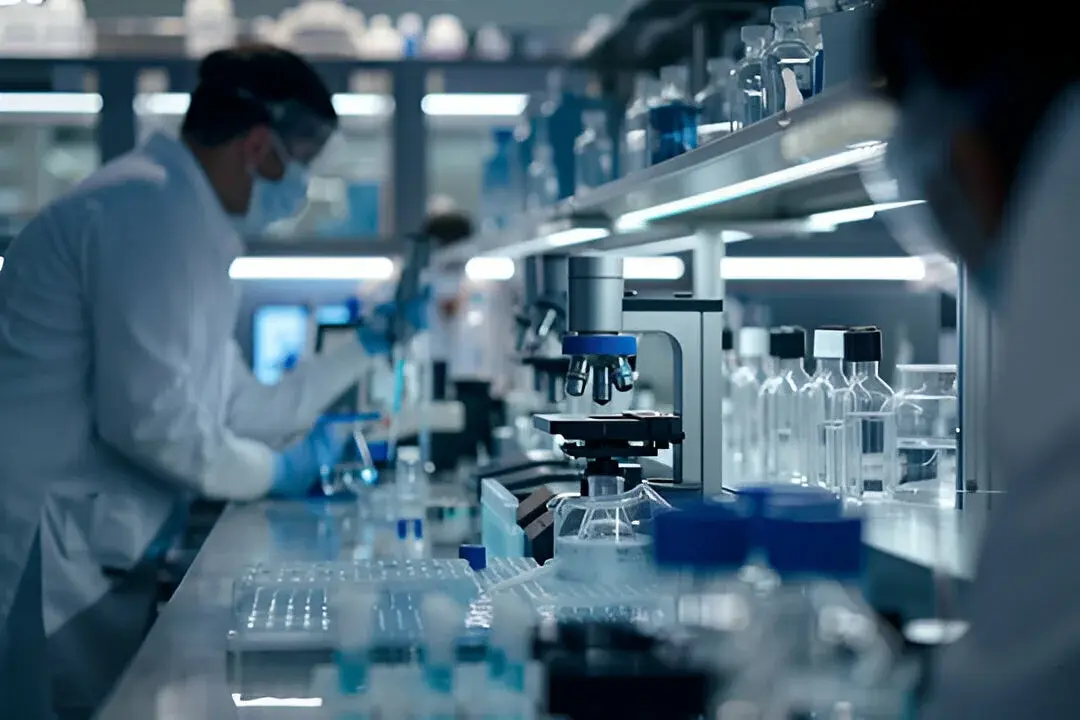
A wide range of laboratory and technical equipment may retain value after its original owner no longer needs it.
Common examples include:
- Analytical laboratory instruments
- Chromatography systems
- Microscopes and imaging equipment
- Bioprocess equipment
- Electronic test equipment
- Industrial automation hardware
- Servers and data center equipment
- Robotics and machine vision systems
- Pumps, chillers, and vacuum equipment
- Semiconductor and manufacturing equipment
The condition and completeness of the system strongly influence resale potential. Equipment with computers, software, accessories, cables, manuals, and application-specific components is often more attractive to secondary-market buyers than a bare instrument missing critical hardware.
Sustainability Benefits of Responsible E-Waste Management
A structured research equipment recycling and reuse program can support corporate and institutional sustainability goals by reducing waste and extending product lifecycles. Reusing equipment preserves the energy, materials, and manufacturing effort already invested in the asset, while recycling can recover metals and other materials from equipment that has truly reached end of life.
Responsible disposition can also improve sustainability reporting by giving organizations better visibility into how surplus assets are handled. Instead of treating old equipment as an unmanaged waste stream, facilities can track what was resold, reused, donated, or recycled. This provides a clearer picture of asset utilization and supports broader circular-economy initiatives.
Financial Value Hidden in Surplus Equipment
Research equipment can represent a major capital investment, and many surplus systems retain meaningful resale value. Allowing usable equipment to sit indefinitely in storage can reduce that value as newer generations enter the market, parts become harder to source, and manufacturer support changes. Selling equipment earlier can help organizations recover more of their original investment.
Consignment and asset-recovery programs can be especially useful when facilities do not have the time or expertise to market specialized equipment themselves. Professional equipment resellers can help identify marketable assets, reach qualified buyers, and manage logistics. This turns surplus equipment management from a disposal expense into a potential source of recovered capital.
What Research Facilities Should Consider
A successful e-waste management and equipment disposition program should evaluate each asset based on value, condition, data risk, and reuse potential.
Key considerations include:
- Is the equipment still functional or repairable?
- Is there a secondary market for the system?
- Does it contain sensitive data?
- Are important accessories or software included?
- Is the manufacturer still supporting the platform?
- Can the equipment be redeployed internally?
- Would resale or consignment recover meaningful value?
- If reuse is not practical, can it be responsibly recycled?
Creating a repeatable process helps prevent valuable equipment from being discarded unnecessarily. It also makes large facility cleanouts, relocations, lab closures, and equipment refreshes easier to manage.
Building a More Responsible Equipment Lifecycle
The most effective research facility sustainability programs consider equipment throughout its entire lifecycle, from procurement through final disposition. Purchasing durable and serviceable equipment, maintaining systems properly, redeploying assets internally, reselling surplus equipment, and recycling end-of-life hardware all contribute to better resource utilization.
This approach benefits both the environment and the organization. Facilities reduce unnecessary waste, recover more value from capital assets, and create a more organized process for handling obsolete technology. As research environments continue to adopt more electronics, automation, computing, and specialized instruments, responsible e-waste management will become an increasingly important part of laboratory operations.
Looking to Sell, Consign, or Responsibly Reuse Surplus Research Equipment?
We help laboratories and research facilities recover value from surplus laboratory equipment, industrial electronics, automation systems, test equipment, and computing hardware while helping keep usable assets in productive service longer.
info@rebio.com