E-Waste vs. Electronic Asset Recovery: What's the Difference?
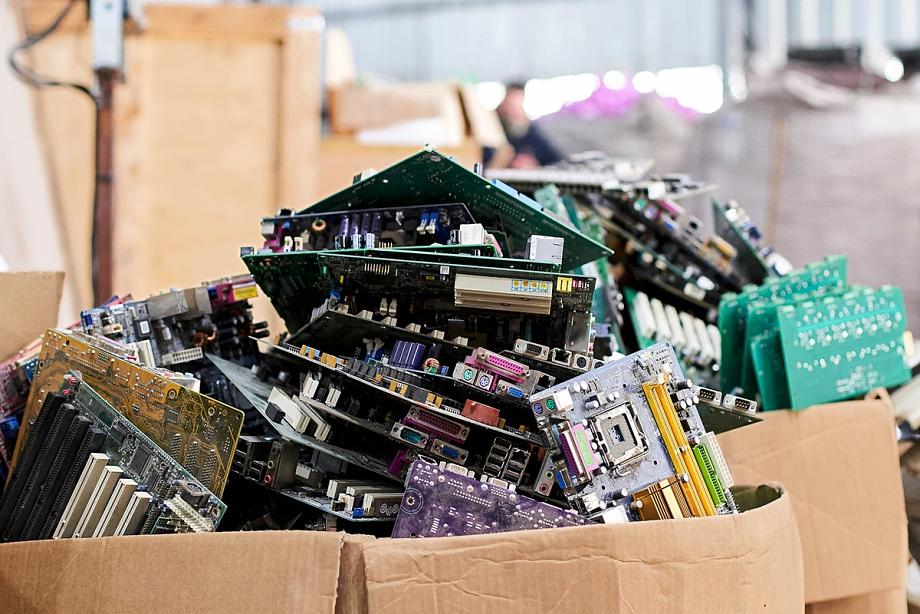
As companies upgrade laboratories, data centers, manufacturing lines, research facilities, and technical infrastructure, they are left with growing volumes of surplus electronics, scientific instruments, servers, industrial equipment, automation hardware, and obsolete technology. These assets are often grouped under the broad label of e-waste, but that can be misleading. Some equipment has truly reached the end of its useful life, while other assets may still have substantial resale, refurbishment, redeployment, or parts value.
Understanding the difference between electronic waste management and electronic asset recovery can help organizations make better financial and sustainability decisions. E-waste recycling focuses on recovering materials from equipment that is no longer practical to use, while asset recovery focuses on preserving the value of equipment that still has a viable secondary-market or operational use. Treating every retired asset as waste can result in lost value, unnecessary disposal, and shorter equipment lifecycles.
What Is E-Waste?
Electronic waste, or e-waste, generally refers to electronic equipment that has reached the end of its practical or economic life. This can include computers, monitors, circuit boards, networking equipment, laboratory electronics, industrial controls, test equipment, and other devices that are damaged, obsolete, unsupported, or no longer useful.
The goal of e-waste recycling is usually material recovery rather than continued equipment use. Recyclers may dismantle equipment and separate metals, plastics, circuit boards, wiring, and other materials for downstream processing. This is an important part of responsible disposal, especially for assets that cannot reasonably be repaired, resold, or redeployed.
What Is Electronic Asset Recovery?
Electronic asset recovery focuses on identifying and preserving the remaining value in surplus equipment before it enters the waste stream. Instead of immediately dismantling or recycling a system, the asset is evaluated to determine whether it can be resold, refurbished, redeployed, consigned, harvested for parts, or otherwise returned to productive use.
This approach is especially relevant for laboratory equipment, data center hardware, industrial automation, semiconductor equipment, electronic test instruments, robotics, and scientific systems that may retain value long after the original owner no longer needs them. A discontinued instrument may still be in demand from facilities maintaining legacy processes, while a used server or robot may be perfectly suitable for another organization’s application.
The Main Difference: Reuse vs. Material Recovery
The simplest distinction is that asset recovery prioritizes reuse, while e-waste recycling prioritizes material recovery. Asset recovery tries to keep the equipment, system, or valuable components intact long enough to determine whether there is still a useful market for them. Recycling generally assumes that the equipment itself no longer has meaningful operational value.
Both approaches have a place in responsible asset management. The problem occurs when reusable equipment is automatically classified as scrap before its secondary-market value is evaluated. High-value scientific, industrial, and computing equipment can lose nearly all of its recoverable value once it is dismantled.

Why the Difference Matters Financially
Many organizations underestimate the value of their surplus electronic and technical equipment. A laboratory analyzer, GPU server, industrial robot, semiconductor component, oscilloscope, network switch, or automation controller may still have strong demand in the secondary market even if it has been replaced internally.
Electronic asset recovery allows organizations to recover part of their original capital investment through resale or consignment. Recycling may generate some commodity value from metals and circuit boards, but that amount is often far lower than the value of a complete functioning or repairable system. Evaluating assets before recycling can therefore turn what looks like a disposal cost into a source of recovered capital.
Why the Difference Matters for Sustainability
Reuse and refurbishment generally extend the useful life of equipment before material recycling becomes necessary. This supports circular-economy goals by keeping products in service longer and reducing unnecessary demand for replacement equipment. The longer a useful asset remains productive, the more value is extracted from the materials and manufacturing effort already invested in it.
Recycling remains essential once equipment reaches true end of life, but it should often come after reuse options have been considered. A balanced sustainability strategy includes redeployment, resale, refurbishment, parts recovery, and recycling rather than relying on a single disposal pathway.
Common Assets Suitable for Recovery
Not every retired electronic asset should be treated as e-waste. Many categories can retain substantial resale or reuse value.
Common examples include:
- Laboratory analytical instruments
- Electronic test equipment
- GPU servers and data center hardware
- Network switches and transceivers
- Industrial robots and automation systems
- Semiconductor manufacturing equipment
- Machine vision cameras
- Pumps, chillers, and power equipment
- Scientific imaging systems
- Controllers, drives, and industrial electronics
Condition, age, manufacturer support, completeness, and market demand all influence whether an item is suitable for asset recovery. Even non-working equipment may retain parts value if replacement components are difficult to source.
When Equipment Should Be Recycled Instead
Some equipment genuinely belongs in the e-waste recycling stream. Assets that are severely damaged, unsafe, contaminated, unsupported, or economically impractical to repair may no longer have a viable reuse market. Extremely low-value electronics can also cost more to test, store, and sell than they are worth.
The key is to make that determination deliberately rather than automatically. A structured evaluation process can separate reusable assets from true end-of-life equipment before disposal decisions are made. This reduces the risk of destroying valuable systems unnecessarily.
Data Security and Asset Recovery
Asset recovery becomes more complex when equipment contains hard drives, SSDs, embedded storage, controllers, or sensitive research and business data. Servers, computers, network appliances, laboratory PCs, and some industrial systems may retain information even after they are removed from service.
Organizations should address data security before resale or recycling. Depending on internal policy, this may involve secure wiping, drive removal, media destruction, or documented data sanitization. Protecting data does not necessarily require destroying the entire asset; in many cases, storage media can be removed while the remaining hardware is preserved for resale.
Resale, Refurbishment & Consignment
There are several ways to recover value from surplus equipment. Direct resale can work well when the organization has internal expertise and a clear buyer market, while equipment consignment allows a third party to handle marketing, buyer communication, and transaction support. Refurbishment can increase value by improving condition and making equipment easier to deploy.
For specialized equipment, experienced resellers can also help determine realistic market value and identify which assets are worth marketing. This is especially useful for laboratory, semiconductor, industrial, and test equipment where model-specific knowledge can significantly affect pricing and buyer interest.
Asset Recovery During Facility Closures and Upgrades
Lab closures, facility relocations, data center refreshes, and production-line upgrades can generate large quantities of surplus equipment at once. Without a structured plan, valuable assets can end up mixed with scrap or remain in storage until their resale value declines.
An asset recovery process should ideally begin before equipment is disconnected or moved. Recording model numbers, serial numbers, condition, accessories, software, and photos while equipment is still installed can improve resale potential. Early evaluation also gives organizations more time to identify buyers or consignment opportunities before liquidation deadlines.
What Organizations Should Consider
Before classifying surplus equipment as e-waste, organizations should evaluate whether the asset still has practical or market value.
Important questions include:
- Is the equipment functional or repairable?
- Is there demand for the model in the secondary market?
- Are important accessories or software included?
- Is the manufacturer still supporting the platform?
- Does the equipment contain sensitive data?
- Could it be redeployed internally?
- Would refurbishment increase resale value?
- Is resale or consignment practical?
- If not, can the equipment be responsibly recycled?
A repeatable evaluation process helps organizations recover more value while reducing unnecessary waste. It also makes large cleanouts and equipment refreshes easier to manage.
Building a Better Asset Disposition Strategy
A strong electronic asset disposition strategy should not force every asset into the same category. High-value, reusable systems should move toward resale, refurbishment, redeployment, or consignment, while true end-of-life equipment should move toward responsible recycling.
This approach improves both financial recovery and sustainability. Organizations can reduce waste, recover more value from capital equipment, and create a clearer process for managing surplus technology. As laboratories, manufacturers, and data centers continue to upgrade faster, distinguishing between e-waste and recoverable electronic assets will become increasingly important.
Looking to Recover Value From Surplus Electronic Equipment?
We help organizations sell and consign laboratory equipment, industrial electronics, automation systems, test equipment, AI hardware, and other technical assets before they enter the waste stream.
info@rebio.com