
Understanding the Essential Tools of Modern Clinical Labs
Clinical research labs rely on a range of advanced scientific instruments and laboratory equipment to support high‑quality biomedical research, diagnostics, drug discovery, and clinical testing. From chromatography and mass spectrometry systems to imaging equipment and automated analyzers, the right tools help researchers generate accurate, reproducible results while meeting regulatory and compliance requirements.
Below are the most important instruments in a clinical research lab, what they do, and why they matter — including specific equipment models commonly found in academic, biotechnology, pharmaceutical, and CRO environments.
Chromatography and Separation Systems
Chromatography systems are foundational in clinical research for separating, identifying, and quantifying compounds in complex biological samples. These systems are often used in bioanalysis, pharmacokinetics, metabolite profiling, and therapeutic monitoring.
Important chromatography platforms include:
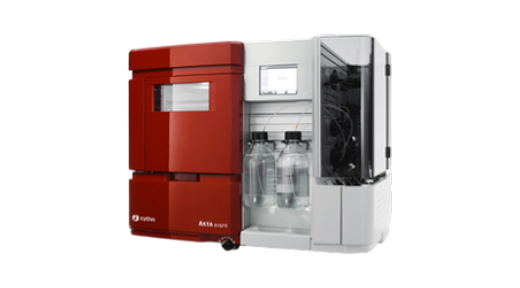
- GE AKTA Avant 25 Chromatography System – widely used for protein and peptide purification workflows
- Waters AutoPurification System + ACQUITY UPLC H‑Class PLUS – powerful combination for high‑speed analytical and preparative chromatography
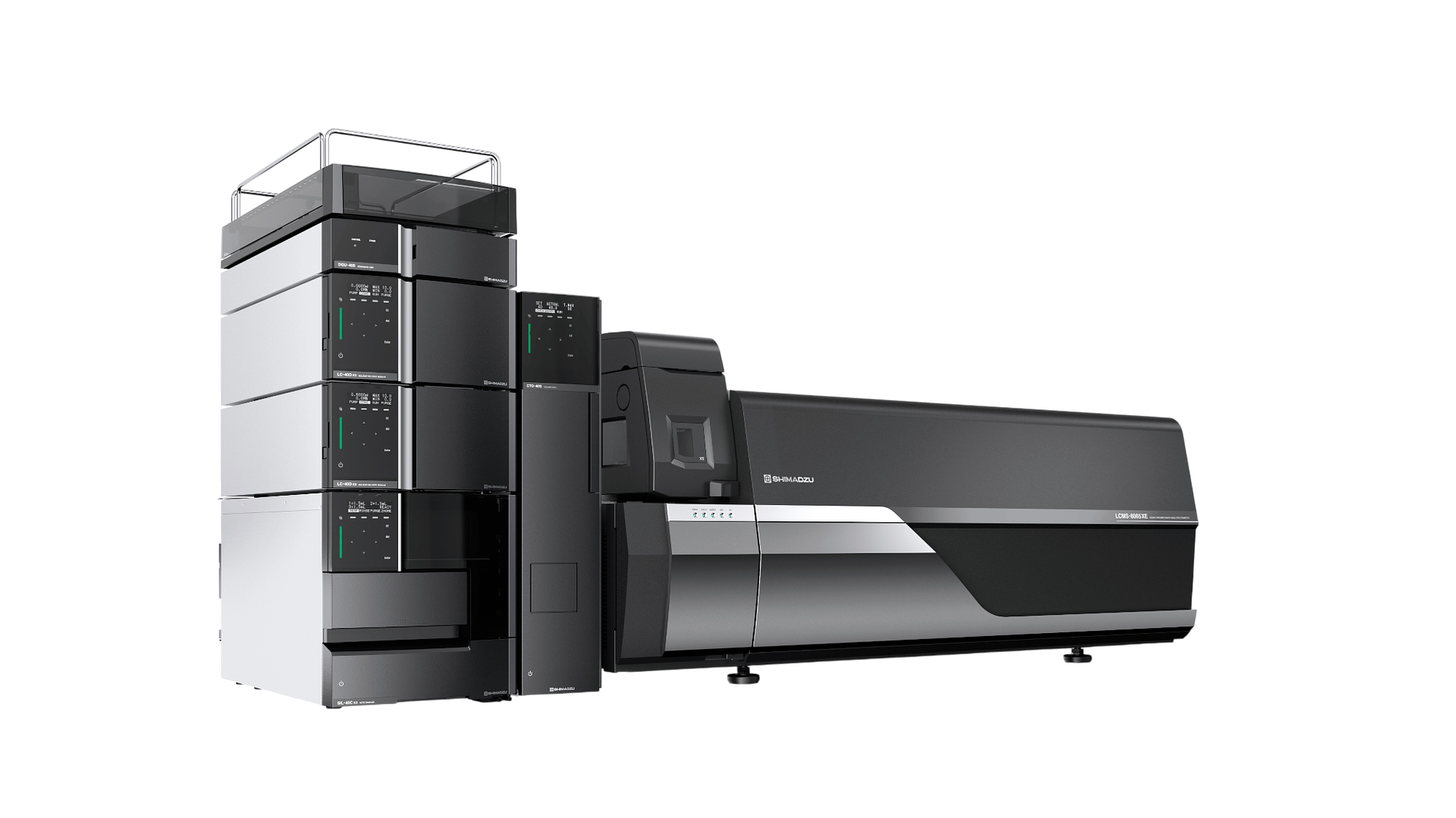
- Shimadzu LC‑MS systems with Nexera X2 – versatile LC platforms often paired with mass spectrometry for clinical research
These instruments help labs perform high‑resolution separations needed for biomarker analysis, drug compound quantitation, and therapeutic development.
Mass Spectrometry (MS) Platforms
Mass spectrometry is one of the most powerful analytical technologies in clinical research labs — enabling precise molecular identification, quantitation, and structural analysis. MS is essential for targeted bioanalysis, proteomics, metabolomics, and small‑molecule quantitation.
Notable MS systems include:
- SCIEX Echo MS System with Triple Quad 6500+ – high‑throughput mass spectrometry platform used for rapid quantitative analysis
- Shimadzu LCMS‑8030 LC‑MS/MS Mass Spectrometer – compact yet capable LC‑MS solution
- Agilent 6495D Triple Quadrupole Mass Spectrometer – versatile workhorse for quantitative assays and routine clinical research workflows
- Bruker timsTOF Ultra 2 (TIMS‑PASEF) – advanced high‑resolution MS for proteomics and high‑throughput clinical research studies
- Waters Xevo TQ‑S cronos – reliable compact triple quadrupole option for routine analysis
Mass spectrometers are often paired with liquid chromatography (LC‑MS) or gas chromatography (GC‑MS) to provide comprehensive molecular data for clinical studies.
Polymerase Chain Reaction (PCR) and qPCR Systems
PCR and quantitative PCR (qPCR) instruments are indispensable in modern clinical research labs, especially for genetic analysis, pathogen detection, gene expression studies, and clinical virology.
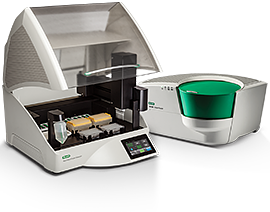
- Bio‑Rad Automated Droplet Generator + Droplet Reader – used for ddPCR workflows that require absolute quantitation of nucleic acids
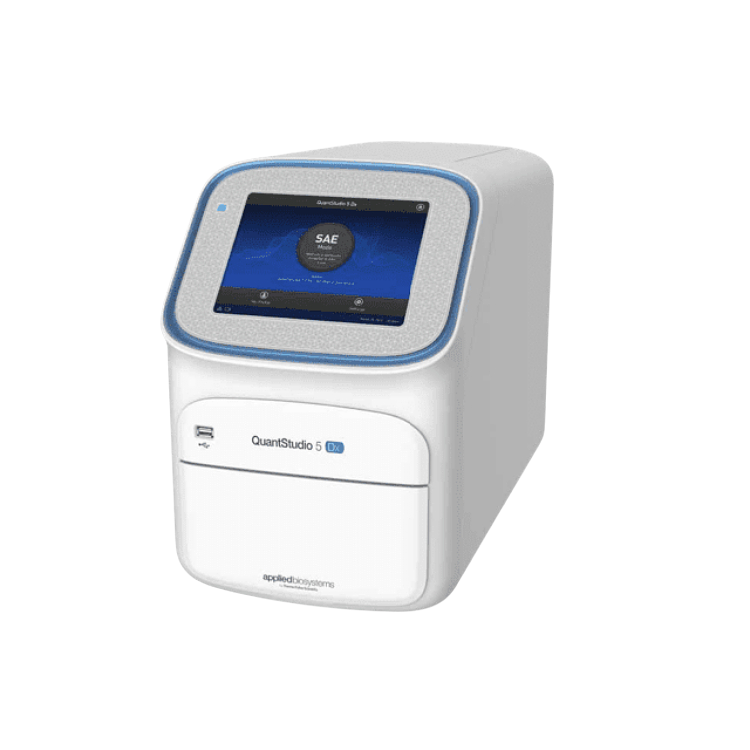
- Standard PCR and real‑time qPCR systems from manufacturers such as Applied Biosystems and Roche are also common choices (not listed on ReBio but widely used).
These systems allow precise amplification and quantification of DNA or RNA, which is essential for diagnostics and clinical research.
Imaging, Detection, and Optical Instruments
Clinical labs use a range of microscopy, imaging, and optical detection equipment to visualize cells, tissues, and assay results.
Important imaging instruments include:
- Bio‑Rad ChemiDoc Touch Imaging System – gel documentation and fluorescence imaging for assays and blotting applications
- High‑end fluorescence and confocal microscopes from brands like Zeiss, Nikon, and Olympus (common in clinical research labs for detailed cell and tissue imaging)
These tools support everything from cell morphology studies to high‑content screening.
Clinical Analyzers and Automated Systems
For high‑volume clinical research workflows, labs rely on automated analyzers and sample processing systems that streamline repetitive tasks:
- Thermo Fisher VarioSkan LUX – automated plate reader for absorbance and fluorescence assays
- Thermo GC/MS/MS TSQ9000 – robust gas chromatography‑mass spectrometry option commonly used in clinical research settings
- Shimadzu Nexera LC‑20ADXR – chromatographic front end for LC/MS applications
Automation reduces hands‑on time, increases throughput, and strengthens reproducibility in research assays.
Supporting Laboratory Equipment
While not headline instruments, many supporting systems are equally critical in clinical research labs:
- Spectrophotometers (UV‑Vis) – for quantitative absorbance and concentration measurements
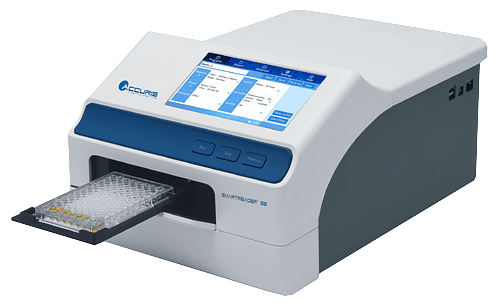
- Microplate Readers – for ELISA, kinetic, and endpoint assays
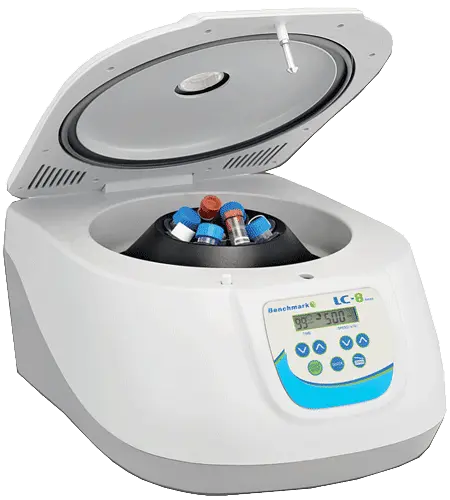
- Centrifuges and ultracentrifuges – essential for sample preparation and fractionation
- Refrigerators, freezers, and cryogenic systems for sample and reagent storage
These instruments support core lab workflows and ensure that samples are processed and maintained correctly.
Putting It All Together
The instrumentation in a clinical research lab directly influences the quality, accuracy, and speed of scientific results. From chromatography and mass spectrometry systems to PCR instruments, imaging platforms, and automated analyzers, each instrument plays a unique role in enabling clinical discovery.
Ready to equip your lab with reliable instruments without breaking the budget? Explore ReBio’s wide selection of refurbished lab equipment today and see how much your lab can save. Don’t wait—get the tools you need to advance your research while staying cost-effective and sustainable.
info@rebio.com