
Polymerase Chain Reaction (PCR) machines are among the most important instruments in modern molecular biology and clinical laboratories. These systems allow scientists to amplify small segments of DNA, making it possible to detect pathogens, study genetic material, and perform advanced biological research.
Today, PCR thermal cyclers are used across a wide range of fields including clinical diagnostics, biotechnology research, pharmaceutical development, forensic science, and environmental testing. Understanding how PCR machines work and where they are used can help laboratories choose the right system for their workflow.
What Is a PCR Machine?
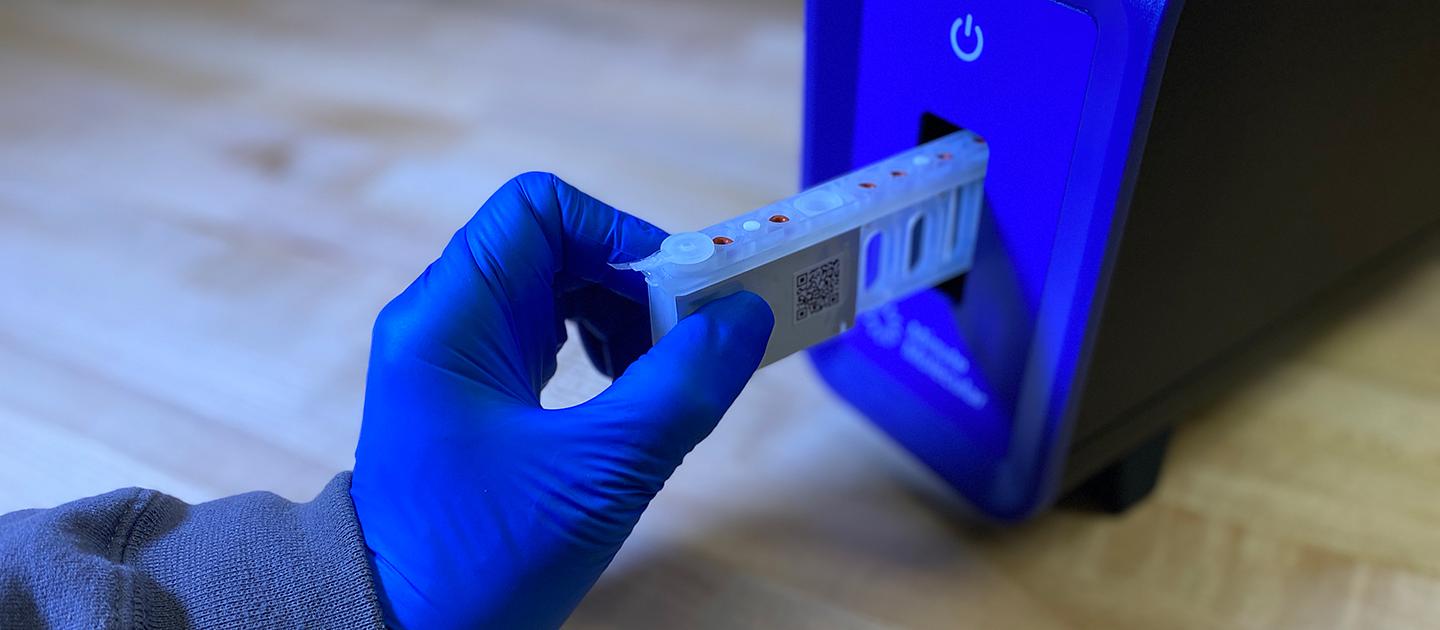
A PCR machine, also called a thermal cycler, is a laboratory instrument that repeatedly heats and cools samples to allow DNA replication through the polymerase chain reaction process.
The system cycles through specific temperature stages that enable DNA strands to separate, replicate, and multiply. Over multiple cycles, this process can amplify a tiny amount of DNA into millions or even billions of copies.
Modern PCR instruments include precise temperature control, programmable cycling protocols, and advanced detection systems. Many models also integrate software for real-time monitoring and data analysis, which is essential in diagnostic and research environments.
How PCR Machines Work
PCR machines perform repeated temperature cycles to replicate DNA. Each cycle consists of three main stages:
- Denaturation: DNA strands are heated (typically ~95°C) to separate them into single strands.
- Annealing: The temperature is lowered so primers can bind to specific DNA sequences.
- Extension: DNA polymerase synthesizes new DNA strands, duplicating the target sequence.
These cycles repeat 25–40 times, producing an exponential increase in the amount of DNA present in the sample.
High-quality PCR thermal cyclers maintain extremely accurate temperature transitions, which is critical for reliable and reproducible results.
Common Types of PCR Systems
Modern laboratories use several types of PCR machines depending on research goals, sample volume, and required detection capabilities. Choosing the right type can improve workflow efficiency and data accuracy.
Conventional PCR Systems
These are standard thermal cyclers used for basic DNA amplification. They are ideal for teaching labs, small research projects, or initial proof-of-concept studies. While they do not provide real-time monitoring, they are reliable, cost-effective, and compatible with a wide range of PCR protocols.
Real-Time PCR (qPCR) Systems
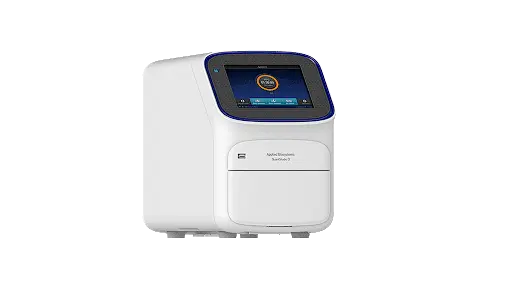
Also known as quantitative PCR, these machines measure DNA amplification in real time using fluorescent dyes or probes. Real-time PCR systems are critical in clinical diagnostics, pathogen detection, gene expression analysis, and pharmaceutical research. Popular models include the Applied Biosystems QuantStudio Series and Bio-Rad CFX Real-Time Systems, which allow rapid, high-throughput analysis while integrating with laboratory information management systems (LIMS).
Digital PCR Systems
Digital PCR divides samples into thousands of micro-reactions, allowing extremely precise quantification of nucleic acids. These systems are increasingly used in cancer research, rare mutation detection, and advanced genomics. Their sensitivity and reproducibility make them ideal when precise DNA measurement is critical, even in low-abundance samples.
High-Throughput and Automated Systems
Some labs utilize high-throughput or automated PCR workstations that can process hundreds of samples simultaneously. These are essential in large-scale screening, infectious disease monitoring, and biotechnology research, where speed and reproducibility are key.
By understanding the strengths of each system, laboratories can select instruments that balance throughput, precision, and cost-effectiveness while meeting specific research or diagnostic needs.
Popular PCR Machine Models Used in Laboratories
Many laboratories rely on well-known PCR systems from major instrument manufacturers. Popular models include:
- Bio-Rad C1000 Touch Thermal Cycler – widely used in research labs for reliable PCR amplification.
- Applied Biosystems QuantStudio Series – common real-time PCR systems used in clinical and molecular diagnostics.
- Eppendorf Mastercycler Series – known for precision temperature control and flexibility.
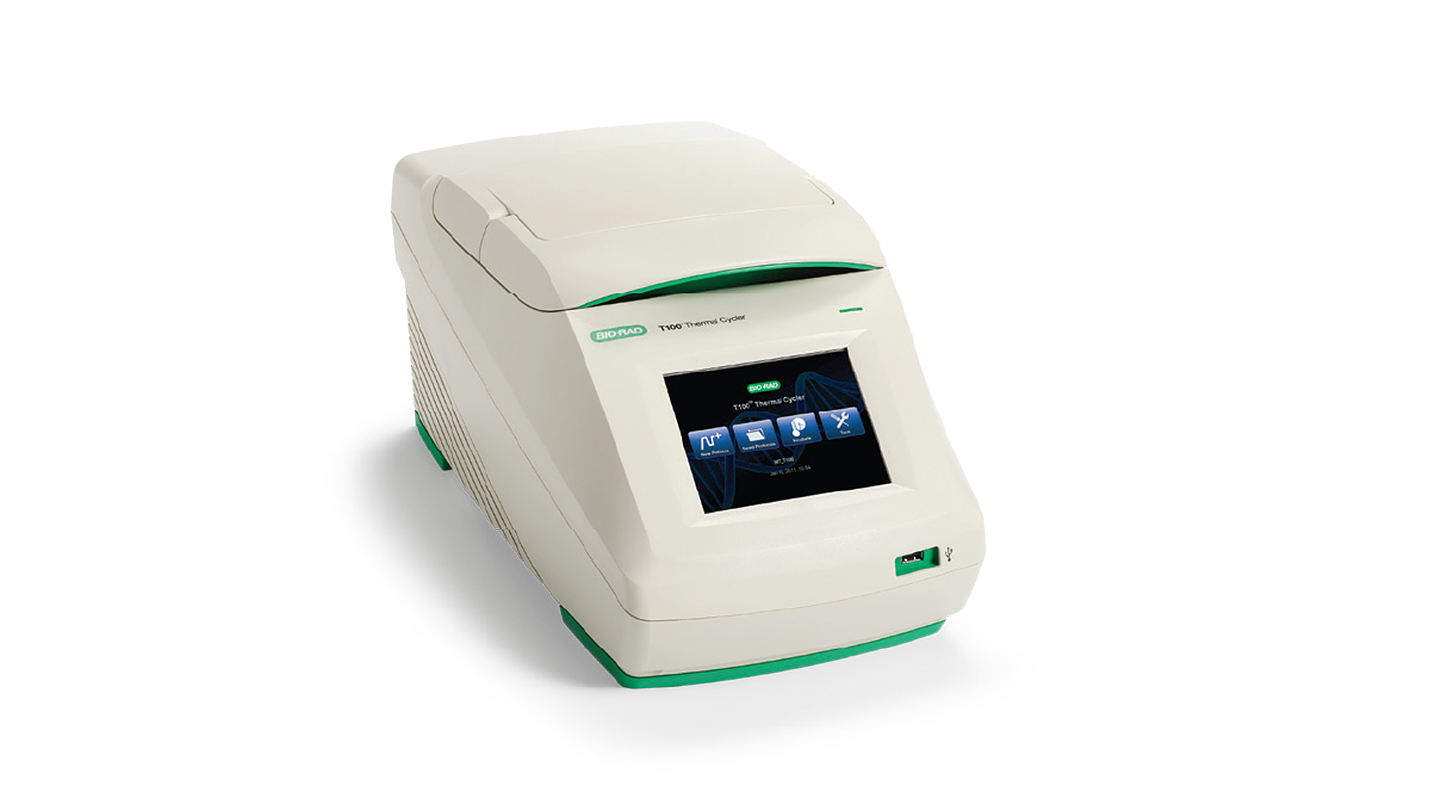
- Bio-Rad T100 Thermal Cycler – a compact and reliable PCR system for smaller laboratories.
- Thermo Fisher Veriti Thermal Cycler – commonly used in molecular biology and genetic testing labs.
These systems are frequently found in biotechnology labs, pharmaceutical companies, university research facilities, and diagnostic laboratories.
Applications of PCR Machines
PCR technology is incredibly versatile and underpins modern molecular biology. Laboratories rely on PCR machines to amplify DNA and RNA for a wide variety of applications:
Clinical Diagnostics
PCR is central to detecting infectious diseases by identifying pathogen DNA or RNA in patient samples. Real-time PCR systems enable rapid, accurate diagnostics for viruses like influenza, COVID-19, and bacterial infections. PCR also supports genetic testing for inherited disorders and prenatal screening.
Genetic and Molecular Research
Researchers use PCR to amplify DNA for gene cloning, sequencing preparation, mutation studies, and gene expression analysis. PCR is a fundamental tool in biotechnology, genomics, and synthetic biology, enabling experiments that require precise DNA manipulation.
Forensic Science
PCR allows forensic scientists to analyze trace DNA from crime scenes. Even very small or degraded samples can be amplified for identification purposes, making PCR a cornerstone of forensic investigations.
Pharmaceutical and Biotechnology Development
PCR is widely used in drug discovery, biomarker validation, and molecular screening. High-throughput PCR machines help pharmaceutical labs accelerate research while maintaining accuracy and reproducibility.
Environmental and Food Testing
PCR helps detect pathogens or contaminants in food, water, and environmental samples. It is increasingly applied in quality control, contamination monitoring, and ecological research.
Emerging Applications
Advanced PCR machines are now used for COVID-19 testing, microbiome analysis, single-cell genomics, and liquid biopsy diagnostics. Their high sensitivity and adaptability make them indispensable in modern labs tackling complex biological questions.
Choosing the Right PCR Machine for Your Lab
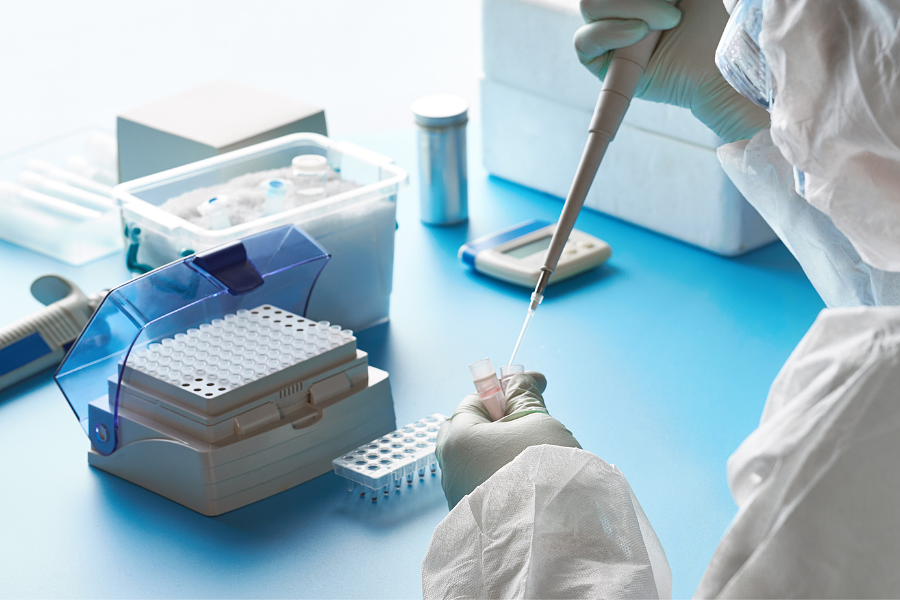
Selecting the right PCR system depends on several factors, including workflow requirements, throughput, and detection capabilities.
Laboratories should consider:
- Whether conventional PCR or real-time PCR is required
- Sample throughput and reaction capacity
- Temperature accuracy and ramp speed
- Software integration and data analysis tools
- Compatibility with existing lab workflows
For many labs, purchasing refurbished PCR machines or used thermal cyclers can be a cost-effective way to expand molecular testing capabilities without the cost of new equipment.
Supporting Modern Molecular Biology Workflows
PCR machines remain a cornerstone of modern life science research and clinical diagnostics. From identifying infectious diseases to advancing genetic research, PCR thermal cyclers enable scientists to amplify and analyze DNA with remarkable precision.
As laboratories continue expanding molecular testing capabilities, choosing reliable PCR equipment and understanding its applications is essential for maintaining efficient workflows and accurate results.
Need the right PCR System for your lab workflow? Look at our catalog at ReBio today to explore new, refurbished, and surplus PCR options. Optimize your workflow, save costs, and ensure reliable results.
info@rebio.com