
Understanding the difference between UPLC (Ultra Performance Liquid Chromatography) and HPLC (High Performance Liquid Chromatography) is essential when selecting the right system for your lab. Both technologies are widely used for compound separation, identification, and quantification, but they differ in speed, resolution, and overall performance. These differences can directly impact lab efficiency, data quality, and long-term operating costs.
What Is HPLC?
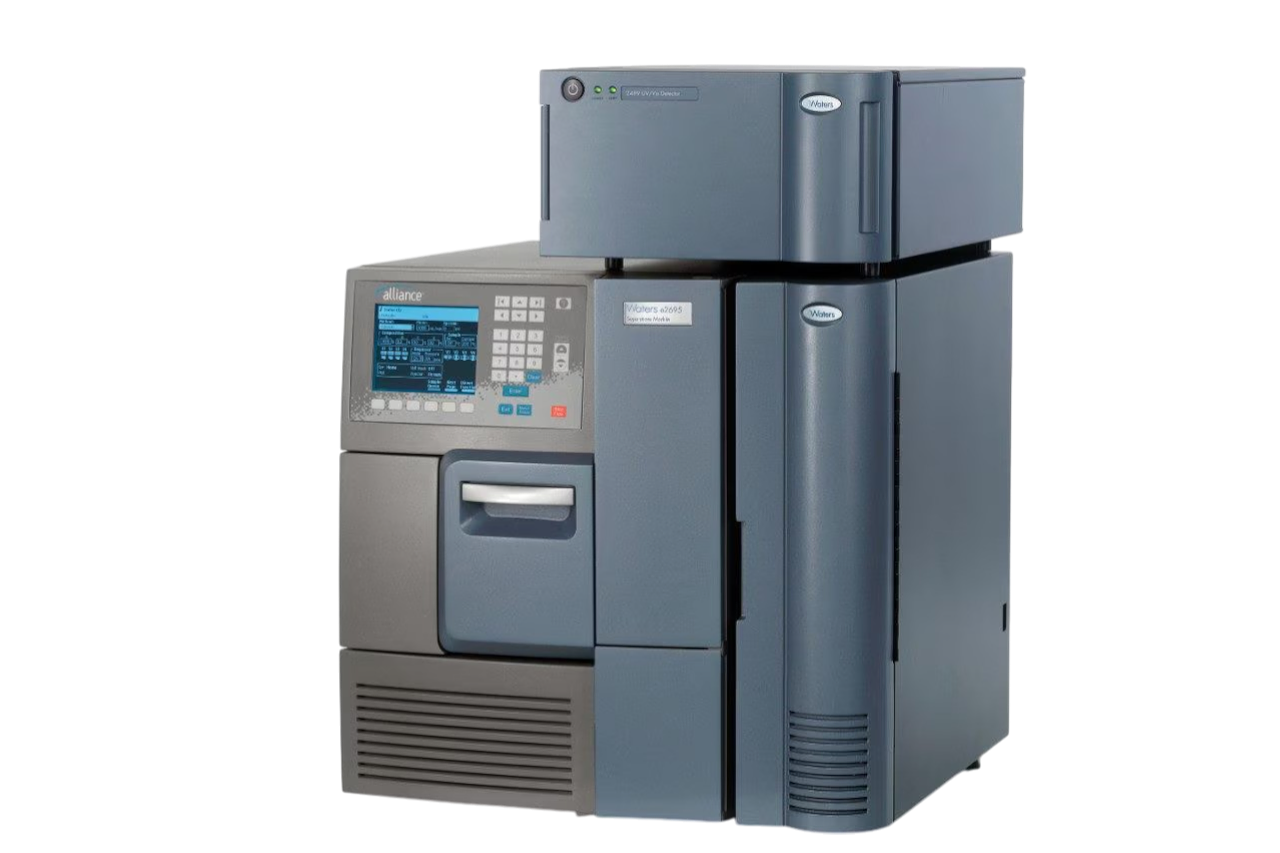
HPLC systems are the backbone of many analytical laboratories and are widely used for routine testing. They operate at lower pressures and use larger particle size columns, making them easier to maintain and highly reliable over long periods of use. Because of this, HPLC is commonly used in quality control labs, environmental testing, food analysis, and general analytical workflows.
These systems are especially valuable for labs that rely on established methods and require consistent, repeatable results. Their durability and flexibility make them a cost-effective choice for day-to-day laboratory operations.
What Is UPLC?
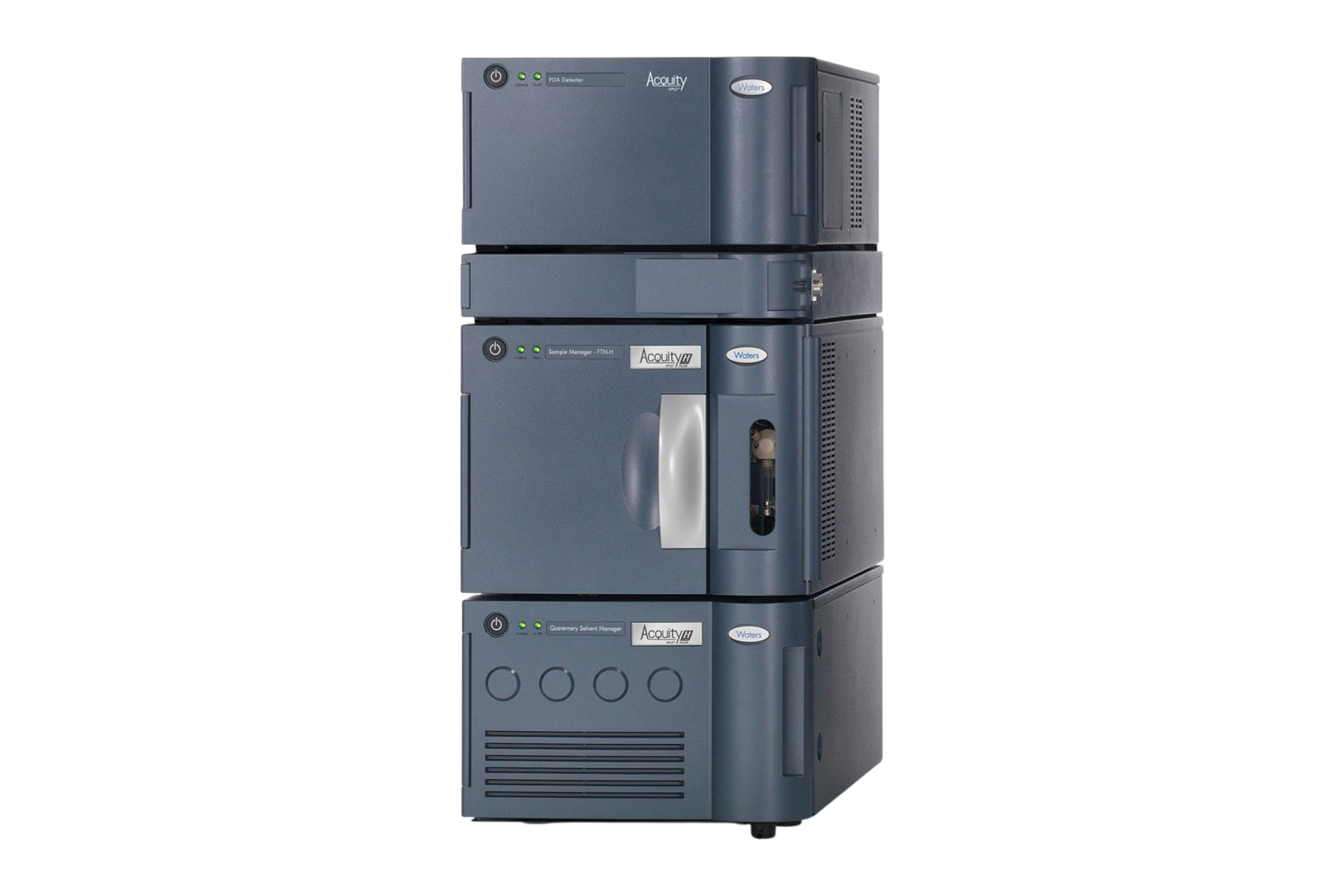
UPLC systems represent a more advanced form of liquid chromatography, designed to deliver higher performance and efficiency. By operating at significantly higher pressures and using smaller particle size columns, UPLC systems achieve faster run times, improved sensitivity, and higher resolution separations.
These capabilities make UPLC particularly useful in biopharmaceutical research, protein and peptide analysis, and high-throughput laboratories. For labs handling complex samples or requiring detailed analytical results, UPLC provides a clear performance advantage.
Key Differences Between UPLC and HPLC
While both systems serve similar purposes, their performance characteristics set them apart. UPLC systems are optimized for speed and precision, while HPLC systems focus on reliability and ease of use. These differences influence how each system fits into a lab’s workflow and budget.
- UPLC provides faster analysis and higher resolution
- HPLC offers reliable performance and simpler maintenance
- UPLC systems typically have a higher upfront cost
- HPLC is more cost-effective for routine applications
When to Choose UPLC vs. HPLC
Choosing between UPLC and HPLC systems depends on your lab’s workload and analytical requirements. Labs that require high sensitivity, fast turnaround times, or complex separations often benefit from UPLC. In contrast, labs performing routine or standardized testing may find HPLC to be the more practical and economical option.
In many cases, laboratories use both systems. UPLC is often reserved for advanced or high-throughput applications, while HPLC supports daily testing and long-established methods.
Recommended Systems for UPLC and HPLC Applications
Selecting the right instrument is just as important as choosing the right technology. Two widely used systems from Waters represent strong options for both UPLC and HPLC workflows.
Waters ACQUITY UPLC H-Class Bio System
This system is designed for high-performance UPLC applications, particularly in biopharmaceutical and biomolecule analysis. It delivers the speed, sensitivity, and resolution needed for complex separations, making it ideal for protein characterization, monoclonal antibody analysis, and high-throughput research environments. Labs that require precise, reproducible results at scale will benefit from its advanced capabilities.
Waters Alliance e2695 HPLC Separation Module
The e2695 is a proven HPLC system known for reliability and versatility in routine laboratory settings. It is widely used in quality control, environmental testing, and general analytical workflows where consistency and ease of use are critical. For labs prioritizing dependable performance and cost-effective operation, this system remains a strong choice.
Selecting the Right Chromatography System
Both UPLC and HPLC systems play a critical role in modern laboratories. UPLC offers clear advantages in speed and analytical performance, while HPLC continues to provide dependable, cost-efficient operation for routine work.
Choosing the right system ultimately comes down to balancing performance needs, sample complexity, throughput, and budget. By aligning your equipment with your workflow, you can ensure accurate results while maintaining long-term efficiency.
Ready to equip your lab with reliable instruments without breaking the budget? Explore ReBio’s wide selection of refurbished lab equipment today and see how much your lab can save. Don’t wait—get the tools you need to advance your research while staying cost-effective and sustainable.
info@rebio.com