
Selecting the right microscope is critical for laboratories working in cell biology, clinical diagnostics, biotechnology, pharmaceutical research, and materials science. From brightfield and phase contrast microscopes to fluorescence and confocal imaging systems, each type is designed for specific applications, workflows, and levels of analysis.
For buyers searching for used microscopes, refurbished laboratory microscopes, or high-end imaging systems, understanding the differences between microscope types helps ensure the right investment for resolution, imaging capability, and long-term lab performance.
Brightfield Microscopes (Routine Lab Imaging)
Brightfield microscopes are the most common type of optical microscope, using transmitted light to visualize stained samples. They are widely used in clinical labs, education, microbiology, and basic research.
These systems are ideal for routine sample analysis, such as examining stained tissue sections, bacteria, or prepared slides. While they are cost-effective and easy to use, they are limited when working with live, unstained cells or low-contrast samples.
For buyers, brightfield microscopes offer a low-cost entry point into laboratory imaging with minimal maintenance and straightforward operation. They are often used as foundational instruments in multi-instrument labs, supporting histology, pathology, and general lab workflows where high throughput and simplicity are more important than advanced imaging capabilities.
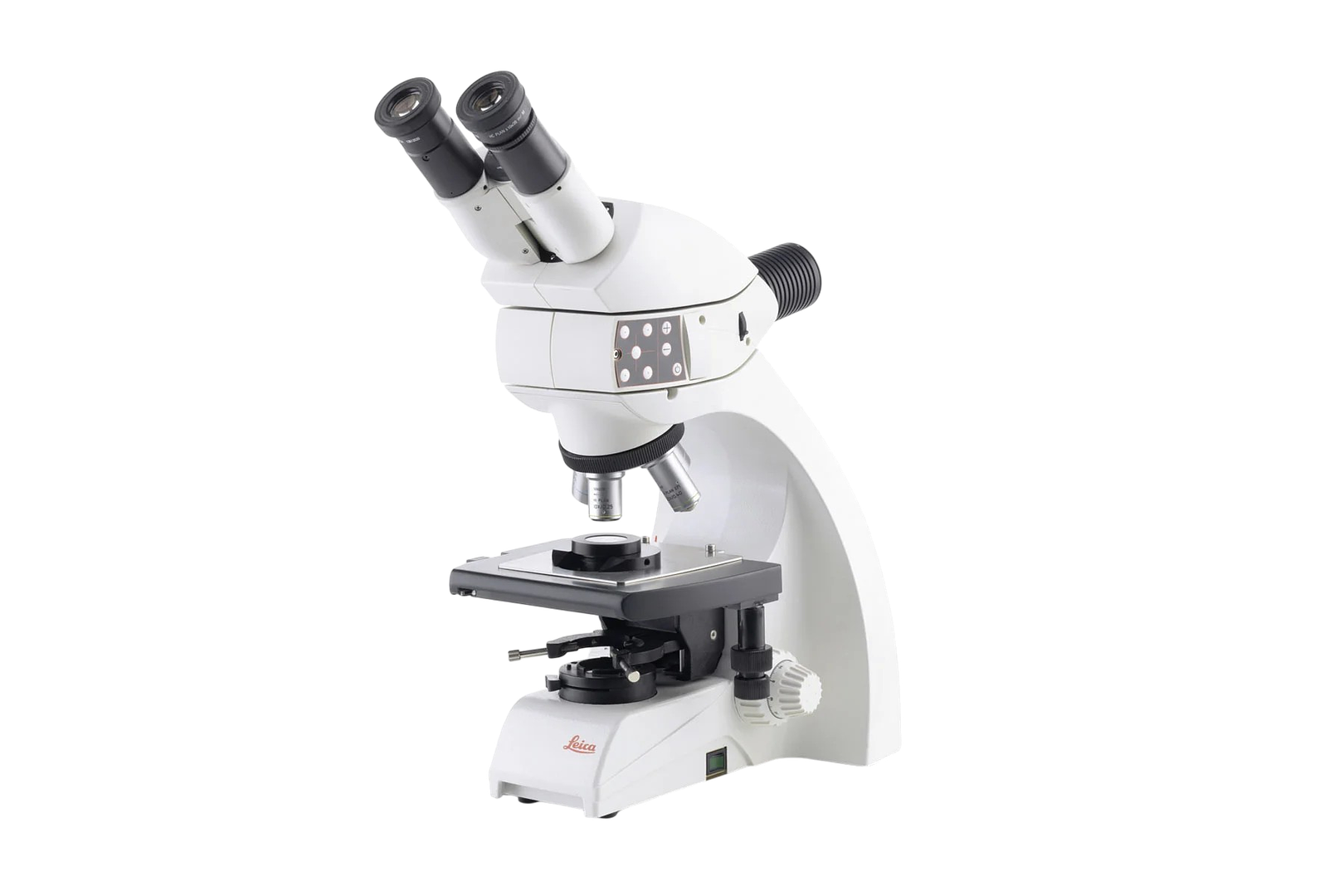
Recommended Systems:
- Olympus CX23 – entry-level clinical and educational use
- Leica DM750 – reliable routine lab imaging
- Nikon Eclipse E200 – widely used in teaching and diagnostics
Phase Contrast Microscopes (Live Cell Imaging)
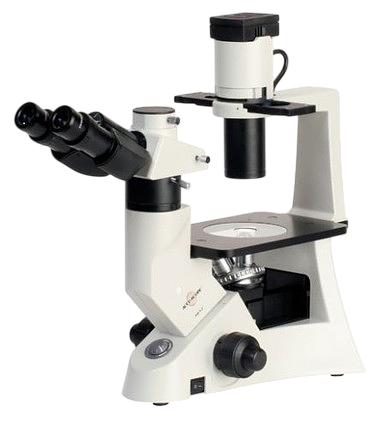
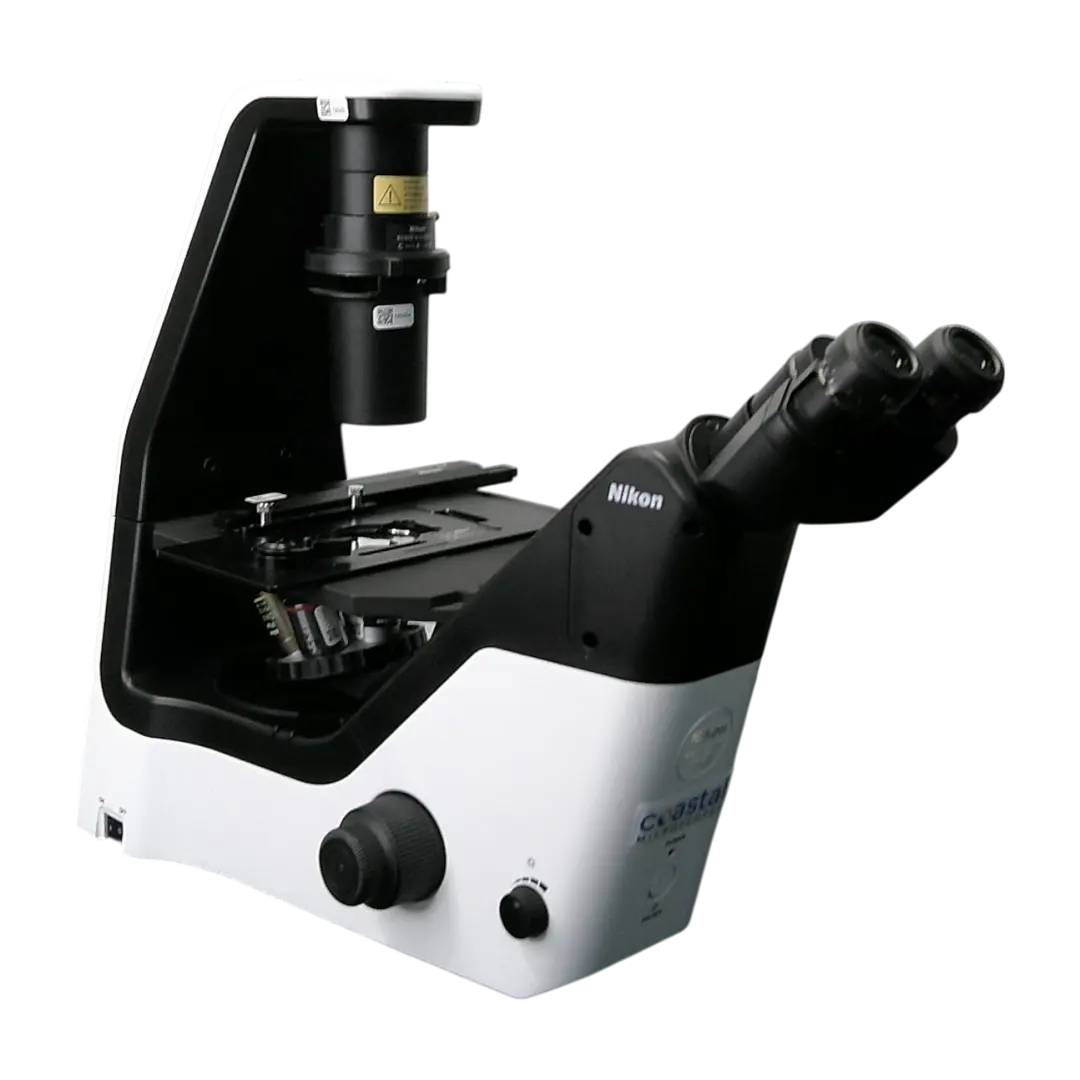
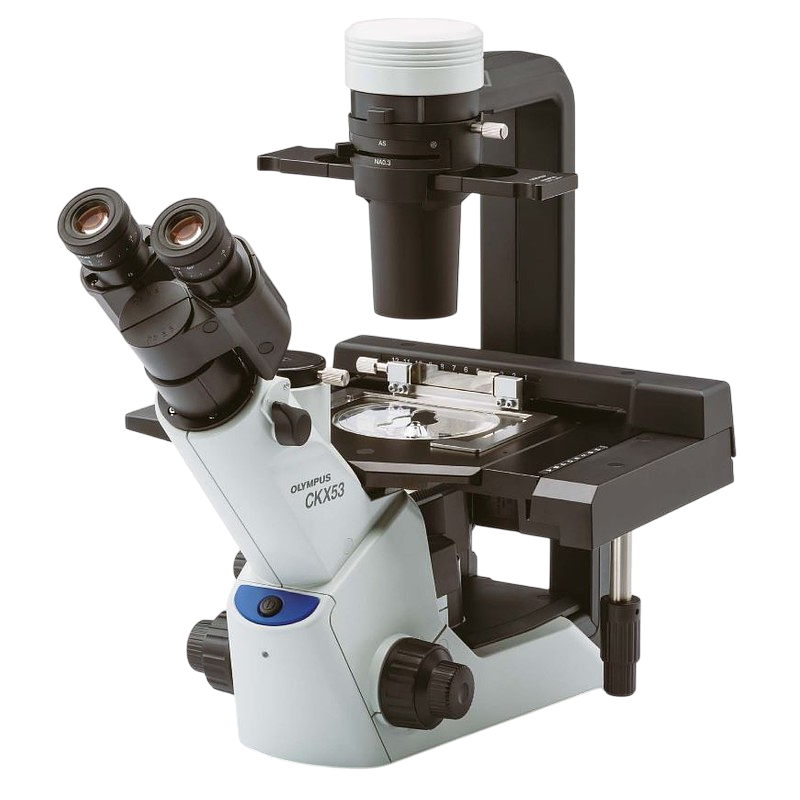
Phase contrast microscopes are designed to visualize unstained, transparent samples, making them essential for cell culture labs and live cell imaging. They enhance contrast by converting phase shifts in light into visible differences in brightness.
This makes them ideal for observing living cells, cell morphology, and biological processes without the need for dyes or staining, preserving sample integrity.
For buyers, phase contrast systems are a must-have for cell biology, tissue culture, IVF labs, and biotech research environments. They are commonly integrated into inverted microscope platforms and used daily for monitoring cell health, growth, and morphology, making them one of the most practical and frequently used microscope types in modern labs.
Recommended Systems:
- ACCU-SCOPE 3032 – cost-effective solution for routine cell culture
- Nikon Eclipse TS2 – widely used in cell biology labs
- Olympus CKX53 – strong performance for tissue culture workflows
Fluorescence Microscopes (Molecular & Cellular Analysis)
Fluorescence microscopes use high-intensity light to excite fluorescent dyes or proteins, allowing researchers to visualize specific cellular components, proteins, and molecular interactions. These systems are essential in immunology, cancer research, and molecular biology.
Compared to brightfield or phase contrast, fluorescence microscopy provides targeted imaging, making it possible to study specific structures within cells.
For buyers, fluorescence microscopes are critical for labs performing cell signaling studies, protein localization, and assay-based research. Many systems support multiple fluorescence channels and camera integration, enabling more advanced imaging workflows and data collection for both research and clinical applications.
Recommended Systems:
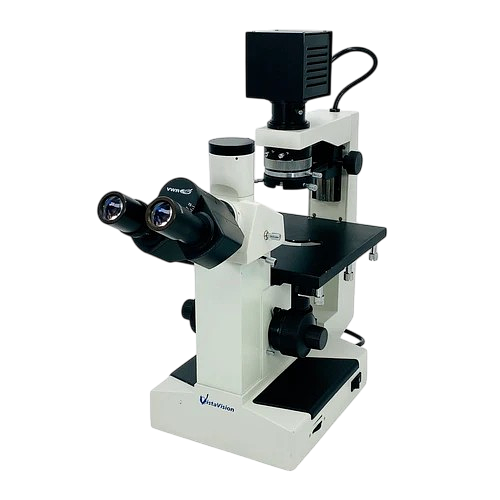
- VWR Vista Vision Epifluorescent Inverted Microscope – versatile system for routine fluorescence imaging
- Olympus IX73 – widely used in research labs
- Nikon Eclipse Ti2 – advanced imaging and automation capabilities
Confocal Microscopes (High-Resolution & 3D Imaging)
Confocal microscopes represent one of the most advanced imaging technologies available. By using laser scanning and optical sectioning, they eliminate out-of-focus light and produce high-resolution, 3D images of thick samples.
These systems are used in advanced research applications, including neuroscience, drug development, and high-content imaging, where precision and depth are critical.
For buyers, confocal systems are a high-investment solution designed for labs that require maximum resolution, depth imaging, and quantitative analysis. They are often paired with advanced software and automation features, making them ideal for cutting-edge research, imaging cores, and high-end laboratory environments.
Recommended Systems:
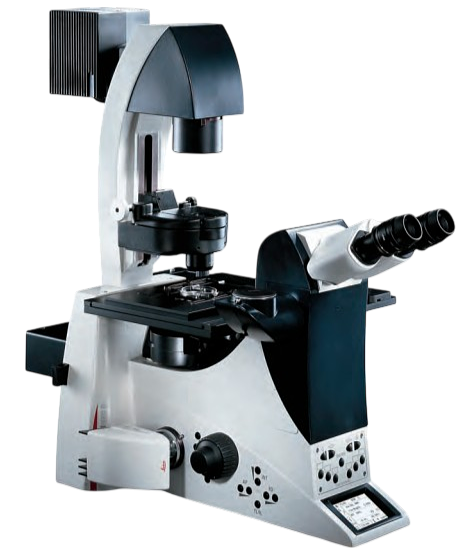
- Leica DMI4000 CS – high-resolution imaging with automation capabilities
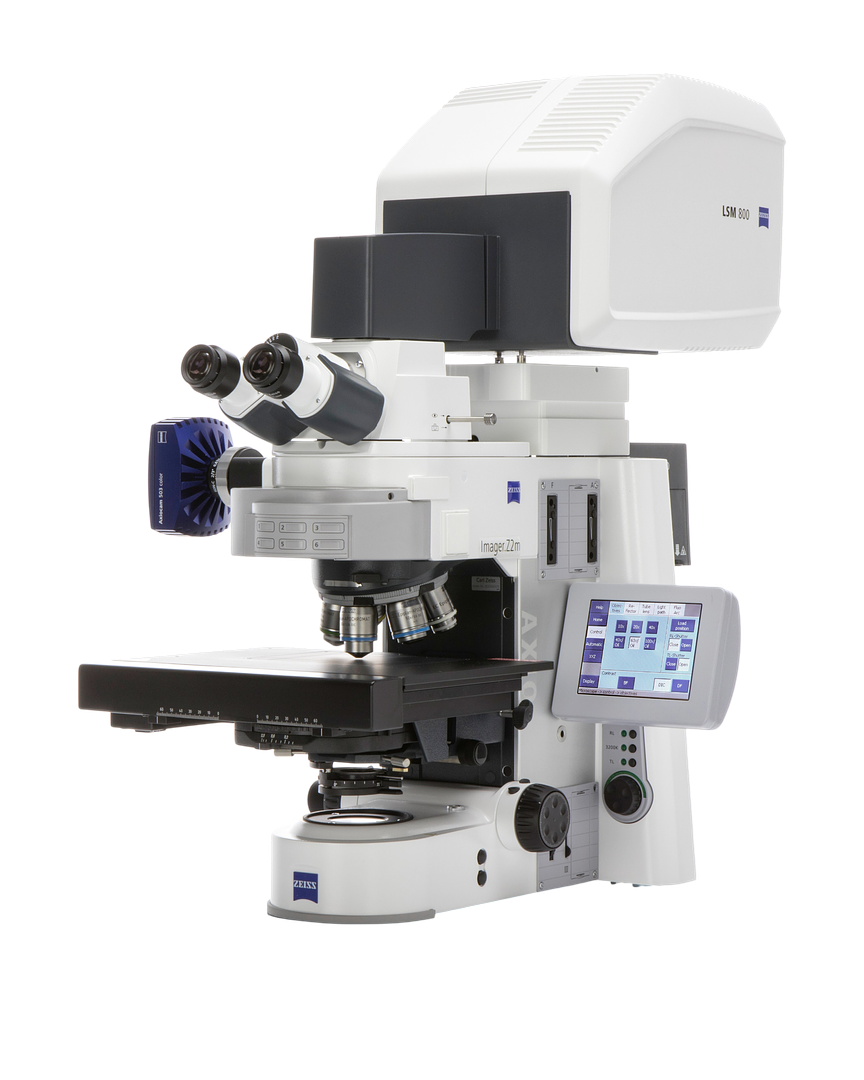
- Zeiss LSM 800 – widely used in life science research
- Olympus FV3000 – high-end system for complex imaging workflows
Inverted Microscopes (Cell Culture & Live Imaging)
Inverted microscopes are designed with the objective lenses below the stage, allowing researchers to observe samples in culture dishes, flasks, and multi-well plates. These are essential for cell culture labs, IVF labs, and live cell imaging applications.
They are often combined with phase contrast or fluorescence capabilities, making them versatile tools in both basic and advanced research environments.
For buyers, inverted microscopes are a core piece of equipment in any lab working with live cells or liquid-based samples. Their ergonomic design and compatibility with incubators and imaging systems make them ideal for long-term observation, routine monitoring, and integrated lab workflows.
Recommended Systems:
- ACCU-SCOPE 3032 – reliable for everyday cell culture work
- VWR Vista Vision Epifluorescent Inverted Microscope – combines fluorescence with inverted design
- Leica DMi8 – modular system for advanced imaging
Choosing the Right Microscope for Your Lab
Selecting the right laboratory microscope depends on your application, sample type, and imaging requirements. Labs performing routine diagnostics or education may only need brightfield systems, while those working in cell biology or biotechnology often require phase contrast or fluorescence imaging.
For advanced research, confocal microscopy systems provide unmatched resolution and depth, but at a higher cost. Buyers should also consider automation, camera integration, software compatibility, and upgrade potential when evaluating systems.
Many laboratories invest in used or refurbished microscopes from leading brands like Leica, Olympus, Nikon, and Zeiss to balance performance with budget.
Ready to equip your lab with reliable instruments without breaking the budget? Explore ReBio’s wide selection of refurbished lab equipment today and see how much your lab can save. Don’t wait—get the tools you need to advance your research while staying cost-effective and sustainable.
info@rebio.com