
Freeze dryers (lyophilizers) are essential for sample preservation, moisture removal, and long-term storage in biotechnology, pharmaceutical, food science, and research laboratories. By removing water through sublimation under vacuum, freeze drying protects sensitive materials like proteins, enzymes, vaccines, and biological samples while maintaining structure and activity.
For buyers searching for used freeze dryers, refurbished lyophilizers, benchtop freeze dryers, or industrial freeze drying systems, understanding system types and configurations is key to maximizing performance and ROI.
What Is a Freeze Dryer?
A freeze dryer freezes a sample and then reduces surrounding pressure so ice transitions directly from solid to vapor. This process is ideal for preserving heat-sensitive and moisture-sensitive materials.
Key benefits:
- Maintains biological integrity and structure
- Extends shelf life and storage stability
- Allows rapid rehydration
- Prevents thermal degradation
Benchtop Freeze Dryers (Lab-Scale Lyophilizers)
Benchtop freeze dryers are compact systems designed for laboratory research, sample prep, and small-batch lyophilization. They are widely used in academic labs, biotech startups, and pharmaceutical R&D.
These systems support flasks, vials, and small bulk samples, making them ideal for flexible workflows without requiring large footprints or high power consumption. Many benchtop systems also allow for modular configurations, including manifold attachments or small tray setups, giving users flexibility as their needs evolve.
For buyers, benchtop units offer a cost-effective and scalable solution for labs entering or expanding freeze drying capabilities. They are particularly valuable for labs needing repeatable results, small batch processing, and consistent sample preservation without investing in large-scale systems.
Manifold Freeze Dryers (Flask-Based Systems)
Manifold freeze dryers are designed for flask-based drying, where multiple samples connect to a central unit. These are commonly used in research labs and analytical environments requiring parallel processing.
They allow users to dry multiple small samples simultaneously, making them ideal for high-throughput workflows. Each sample can be individually controlled or removed, which adds flexibility when working with different sample types or drying times.
For buyers, manifold systems provide efficiency and versatility, especially in labs handling multiple formulations, reagents, or experimental batches. They are often paired with benchtop units, making them a practical upgrade path for growing labs.
Tray Freeze Dryers (Bulk Sample Processing)
Tray freeze dryers are used for larger sample volumes and bulk processing, commonly found in pharmaceutical manufacturing, food production, and pilot-scale labs.
These systems use shelves or trays to hold samples and provide better control over temperature profiles, drying cycles, and batch consistency. This level of control is critical for ensuring uniform drying across all samples, especially in regulated environments.
For buyers scaling operations, tray systems are essential for increased throughput and standardized production workflows. They are commonly used when transitioning from R&D to pilot production or full-scale manufacturing, where consistency and repeatability are critical.
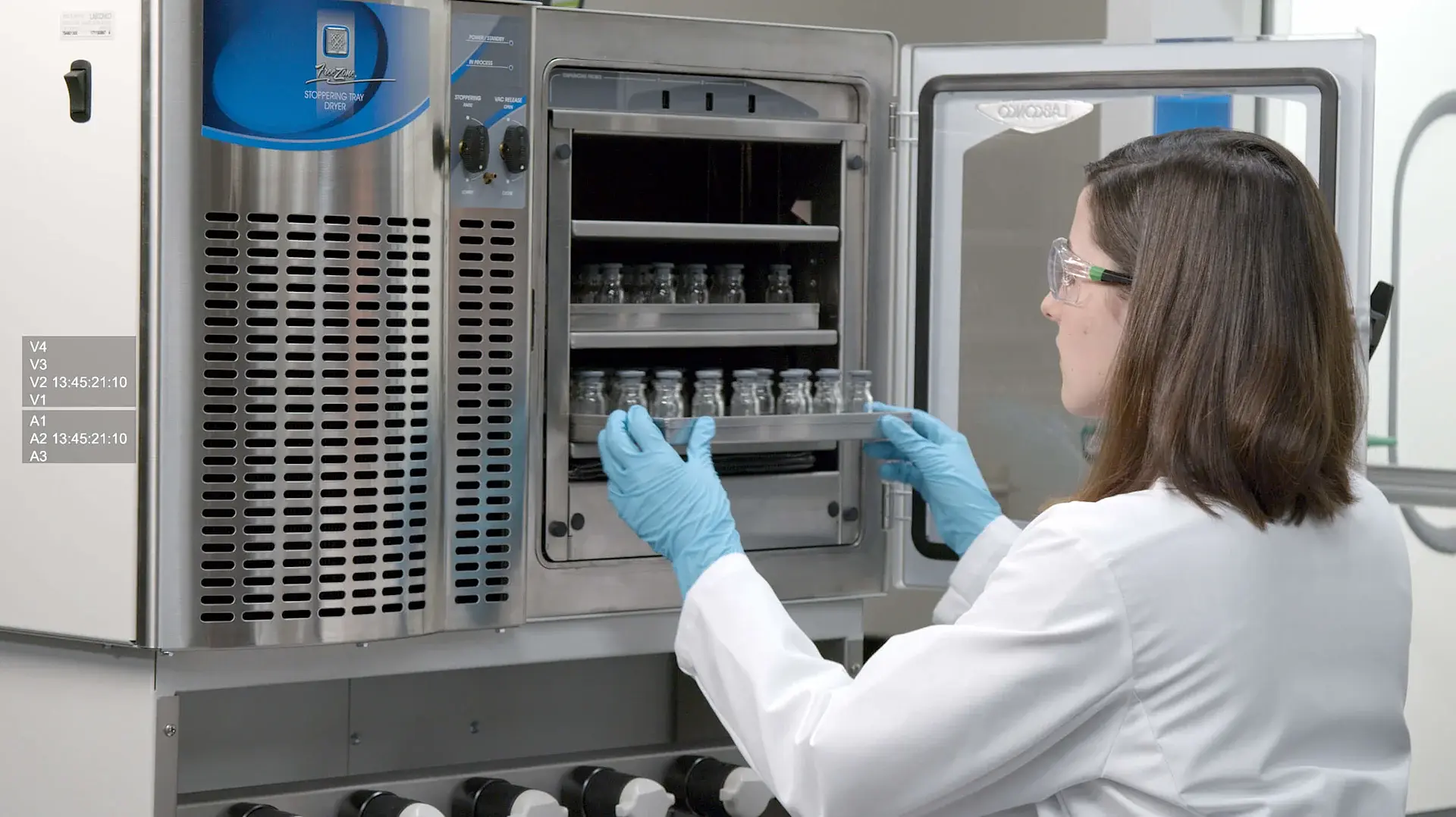
Stoppering Freeze Dryers (Pharmaceutical & GMP Applications)
Stoppering freeze dryers are designed for sterile pharmaceutical processing, allowing vials to be sealed under vacuum after drying. These are critical in GMP environments, vaccine production, and injectable drug manufacturing.
They provide precise control over pressure, temperature, and cycle parameters, ensuring compliance and consistency. Integrated stoppering mechanisms reduce contamination risk and streamline downstream handling.
For buyers in regulated environments, these systems are essential for validated production, sterile processing, and regulatory compliance. They are typically used in facilities that require strict quality assurance and repeatable batch production.
Key Features Buyers Should Consider
When evaluating freeze dryers for sale, buyers should prioritize system performance and compatibility:
- Condenser capacity and temperature (critical for solvent handling)
- Vacuum pump performance and compatibility
- Sample capacity (flasks, trays, vials)
- Automation and control systems
- Footprint and lab space requirements
Matching these features to your application ensures optimal performance and long-term value.
Recommended Freeze Dryer Systems for Labs
Choosing a proven system configuration is key to achieving reliable lyophilization performance, consistent results, and strong resale value. Below are widely used and trusted systems across different lab and production environments.
Complete Lab System (Featured)
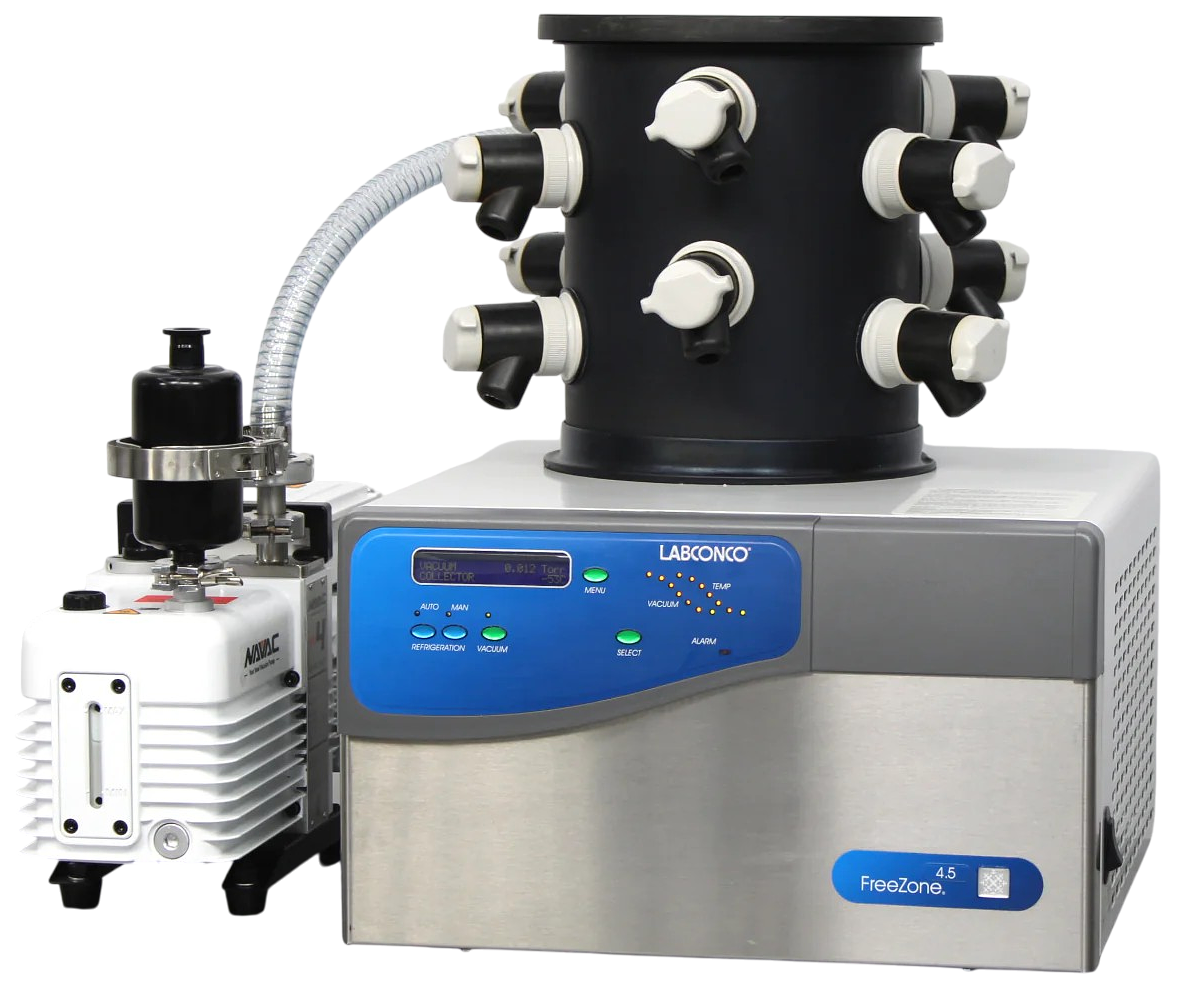
- Labconco FreeZone 4.5 Freeze-Dryer with Navac NRD 4 Vacuum Pump
This configuration represents a complete benchtop freeze drying system ideal for laboratory-scale lyophilization, biotech research, and pharmaceutical sample preparation. The FreeZone 4.5 offers strong condenser performance, compact footprint, and reliability, while the Navac NRD 4 ensures stable vacuum levels for efficient sublimation.
Best for:
- Biological samples (proteins, enzymes, cultures)
- Academic and research labs
- Small-batch and pilot-scale workflows
Other Popular Freeze Dryer Systems
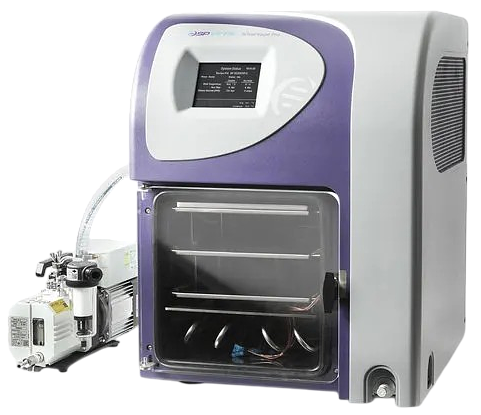
- SP Scientific VirTis BenchTop Pro – advanced benchtop system with strong control features for research labs
- Millrock LD85 – high-performance lab unit with excellent temperature control
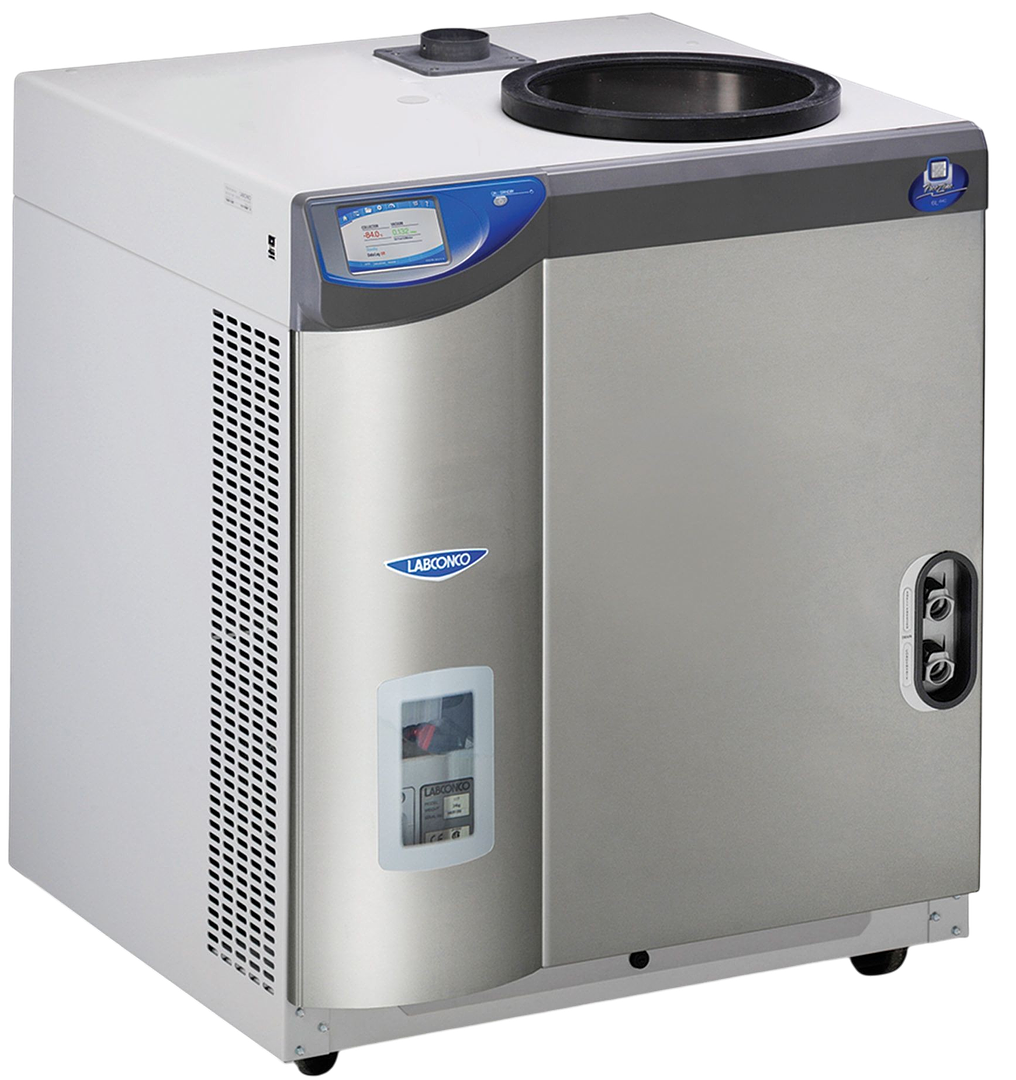
- Labconco FreeZone 6 Liter Console – scalable system for multi-sample workflows
- SP Scientific LyoStar 3 – widely used for pharmaceutical and pilot-scale applications
- GEA Lyophil Freeze Dryer – large-scale industrial freeze drying system
These systems are selected based on application needs, throughput requirements, and budget, making them common choices in biotech, pharma, and research environments.
Why Freeze Dryers Are Essential for Modern Labs
As laboratories increasingly require long-term sample storage, stability, and reproducibility, freeze dryers have become a core piece of equipment. They enable preservation without compromising sample quality, making them indispensable in life sciences, pharmaceuticals, and research environments.
Investing in the right system ensures:
- Reliable sample preservation and storage
- Improved workflow efficiency and reproducibility
- Compatibility with modern lab and production requirements
Looking for a Lyophilizers for Your Lab?
Ready to equip your lab with reliable instruments without breaking the budget? Explore ReBio’s wide selection of refurbished lab equipment today and see how much your lab can save. Don’t wait—get the tools you need to advance your research while staying cost-effective and sustainable.
info@rebio.com