
Bioreactor Sampling Systems for Automated Process Monitoring & Cell Culture Analysis
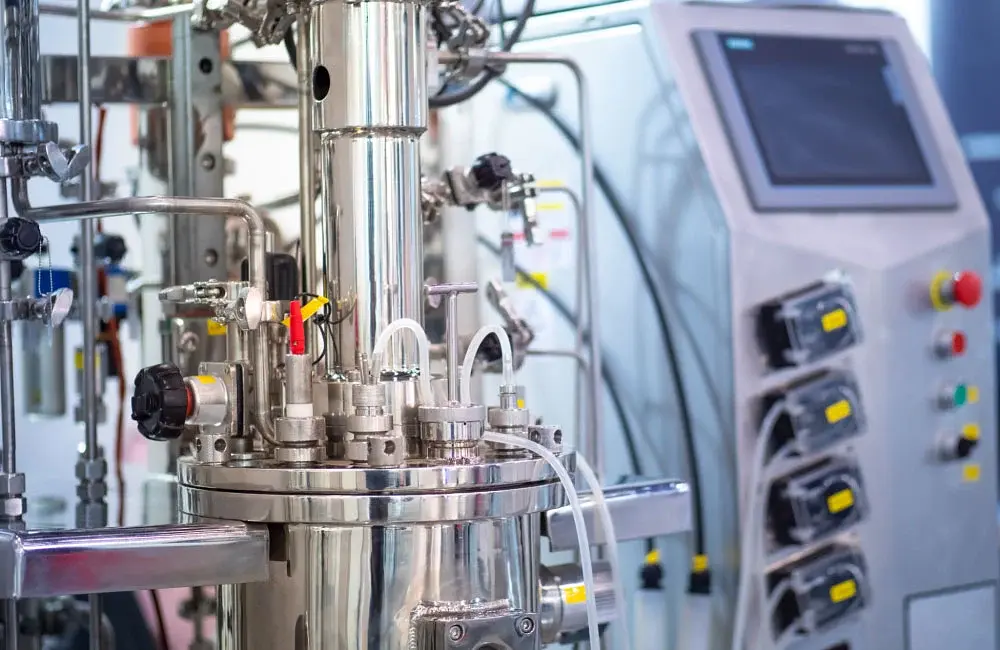
Bioreactor sampling systems are increasingly important in biopharmaceutical development, cell culture, fermentation, process development, and upstream manufacturing because they allow laboratories to collect representative samples from active bioreactors with less manual intervention. These systems can improve consistency, reduce operator workload, and support more frequent monitoring of critical process parameters such as cell density, metabolites, nutrients, product concentration, and culture health.
Organizations comparing automated bioreactor sampling systems, aseptic sampling systems, bioprocess autosamplers, cell culture sampling platforms, and used bioreactor sampling equipment should consider sterility, sample volume, number of connected vessels, automation level, analyzer compatibility, cleaning requirements, software, and long-term consumable availability. A research lab running a few benchtop bioreactors may need a very different setup from a process-development group managing multiple parallel reactors. Selecting the right sampling system can improve data density, reduce contamination risk, and make bioprocess monitoring much more efficient.
What Is a Bioreactor Sampling System?
A bioreactor sampling system is designed to withdraw small, controlled samples from a bioreactor or fermenter during an active run. These samples can then be sent to an analyzer, collected into tubes or plates, or routed into another automated workflow for measurement of metabolites, cell counts, product concentration, pH, osmolality, or other process variables.
Traditional sampling often requires an operator to manually access the vessel, withdraw material, label the sample, and transport it to an analyzer. Automated systems reduce these manual steps and can collect samples at programmed intervals around the clock. This is especially valuable in long cell culture or fermentation runs where important process changes may occur outside normal working hours.
Why Automated Bioreactor Sampling Matters
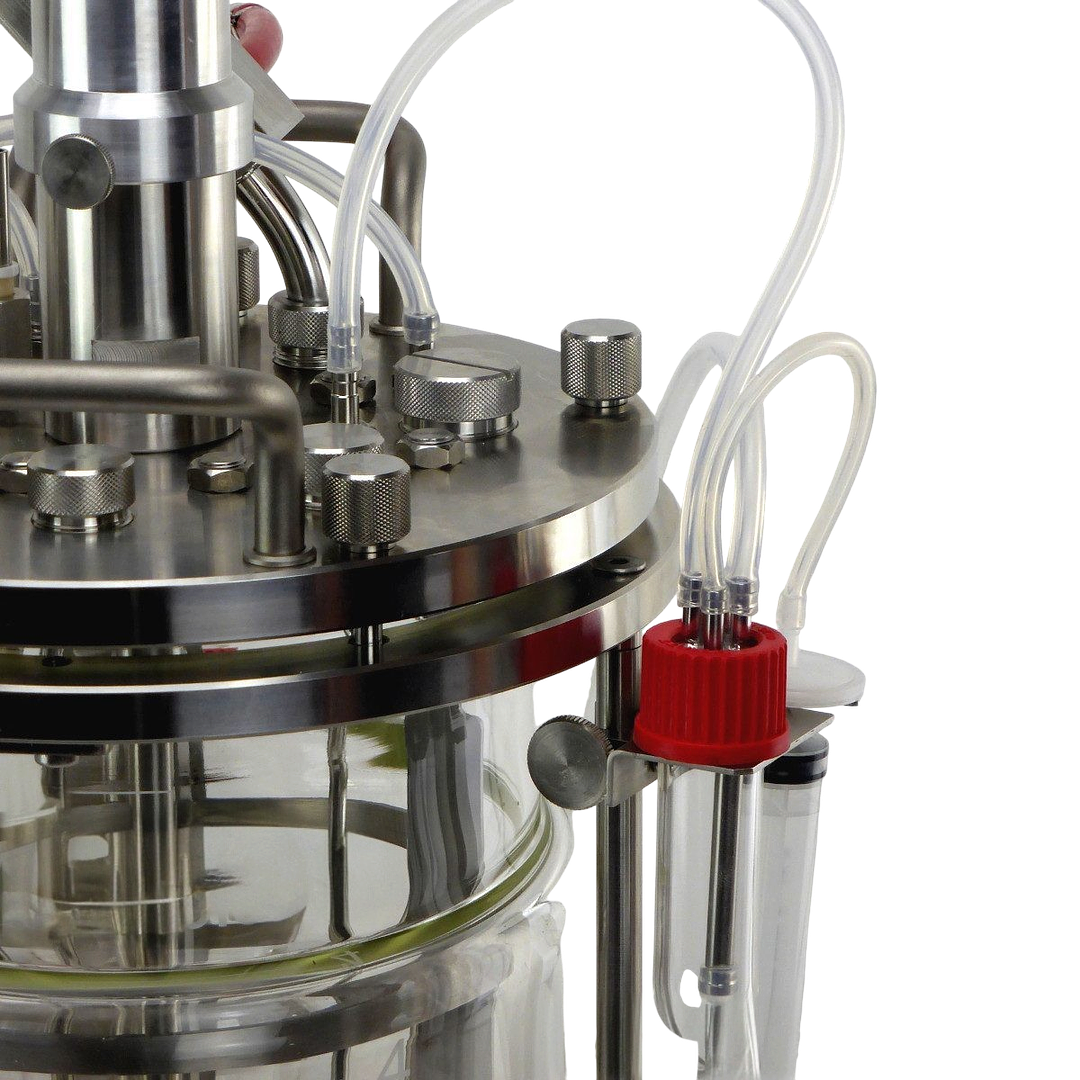
The main advantage of automated bioreactor sampling is consistency. Manual sampling can introduce variation in timing, sample volume, handling, and transport, while an automated system can collect samples at defined intervals using the same procedure each time. This can improve the quality of process-development data and make trends easier to compare between runs.
Automation also reduces the amount of time technicians spend moving between bioreactors and analytical instruments. In laboratories operating multiple vessels simultaneously, this can free staff to focus on higher-value tasks while still collecting dense process data. More frequent sampling can also help identify nutrient depletion, metabolite buildup, or unexpected culture changes earlier in the run.
Common Applications in Bioprocessing
Bioreactor sampling systems are used across upstream process development, cell culture, fermentation, biologics manufacturing, and research.
Common applications include:
- Mammalian cell culture monitoring
- Microbial fermentation
- Bioprocess development
- Clone and media optimization
- Metabolite analysis
- Cell density monitoring
- Nutrient and byproduct tracking
- Automated sample collection
- Process characterization
- Scale-up studies
- Bioreactor comparison studies
- Biopharmaceutical R&D
In cell culture, frequent sampling can help laboratories track parameters such as glucose, lactate, glutamine, ammonia, cell density, and viability when connected to compatible analyzers. In fermentation, automated sampling can help monitor substrate consumption, product formation, biomass growth, and other time-dependent process variables.
Manual vs. Automated Bioreactor Sampling
Manual bioreactor sampling remains common in smaller labs because it is simple and requires little dedicated equipment. However, it depends heavily on operator availability and can introduce variability in timing, handling, and sample preparation. Manual workflows also become more difficult as the number of vessels increases.
Automated sampling systems are better suited to multi-reactor setups, long-duration runs, and process-development environments where frequent data points are valuable. They can collect samples at programmed intervals, route them to analyzers, and sometimes coordinate with software or process-control systems. The tradeoff is greater complexity, higher upfront cost, and increased dependence on compatible tubing, consumables, and software.
Aseptic Sampling and Contamination Control
Maintaining sterility is one of the most important requirements in bioreactor sampling. Every sample withdrawal creates a potential contamination pathway, so aseptic bioreactor sampling systems are designed to minimize exposure between the culture and the external environment.
Closed tubing, sterile connectors, disposable fluid paths, and automated valve control can reduce the need for repeated manual access to the vessel. This is especially important in mammalian cell culture, where contamination can ruin a long and expensive bioprocess run. When evaluating used equipment, laboratories should verify which sterile components are reusable and which require proprietary single-use consumables.
Integration with Cell Culture Analyzers
Many automated sampling platforms are most valuable when integrated with cell culture analyzers and bioprocess analyzers. Instead of collecting a sample and waiting for manual testing, the system can route it directly to an analyzer for near-real-time measurement. This creates a more connected bioprocess monitoring workflow and can dramatically increase the number of usable data points collected during a run.
Common analytical targets include cell density, viability, glucose, lactate, glutamine, ammonia, pH, and other biochemical measurements depending on the connected instrument. Labs already using systems such as Nova BioProfile analyzers, YSI platforms, or other process analyzers should confirm whether a prospective sampler supports their existing equipment before purchase.
What to Consider When Purchasing a Bioreactor Sampling System
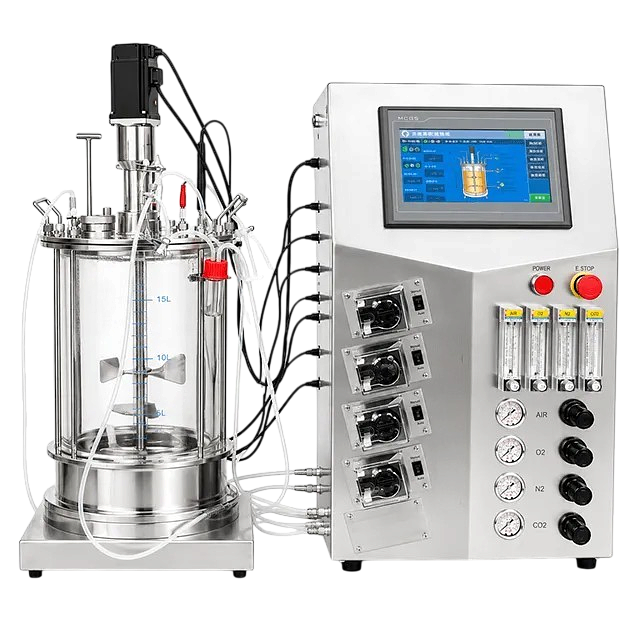
When purchasing a used bioreactor sampling system, compatibility with existing bioreactors and analyzers should be the first consideration. A sampling platform may be technically capable but still impractical if the required connectors, pumps, software, or consumables are no longer available.
Important considerations include:
- Number of supported bioreactors
- Sample volume
- Sampling frequency
- Aseptic or closed sampling capability
- Analyzer compatibility
- Tubing and connector requirements
- Disposable consumables
- Autosampler or plate compatibility
- Software and scheduling capability
- Cleaning and maintenance requirements
- Integration with process-control systems
- Overall system condition
Fluid-handling components deserve particular attention. Pumps, valves, tubing paths, sensors, and waste handling can all affect reliability, and worn components may cause inconsistent sample volumes or carryover. A complete system with the correct tubing kits, controllers, software, and accessories can provide much better value than a bare base unit.
Recommended Bioreactor Sampling Systems
MilliporeSigma MAST System – A dedicated automated bioreactor sampling platform designed to collect samples from bioreactors and support integrated process monitoring. The MAST system is especially useful in cell culture and process-development environments where frequent automated sampling can reduce technician workload and improve data density across long runs.
Flownamics Seg-Flow Series – A well-known automated bioreactor sampling and process-monitoring platform used in upstream bioprocess development. Seg-Flow systems are commonly used to connect multiple bioreactors with external analyzers, enabling automated sample transfer and high-frequency monitoring.
Flownamics FISP Sampling Probes – Frequently used as part of automated bioreactor sampling workflows, FISP probes provide sterile sampling access from cell culture and fermentation vessels. They are often paired with automated samplers and analyzers to create closed or semi-closed process monitoring systems.
Sartorius BioPAT Sampling and Process Analytics Solutions – Sartorius offers bioprocess monitoring and sampling technologies designed to integrate with bioreactor platforms and process analytical tools. These systems are commonly used in process development and biomanufacturing environments where data integration and automated monitoring are priorities.
Eppendorf Bioprocess Autosampling Solutions – Automated sampling options associated with Eppendorf bioreactor and fermenter platforms are used to support repeated sampling from controlled bioprocess runs. These systems are especially relevant for laboratories already standardized on Eppendorf bioprocess equipment.
Hamilton ZEUS / Automated Bioprocess Sampling Configurations – Hamilton liquid handling and bioprocess automation platforms can be configured for automated sampling and sample transfer from bioreactors into downstream analytical workflows. These systems are particularly useful when sampling is integrated into a broader robotic or high-throughput process-development environment.
Why Used Bioreactor Sampling Equipment Can Offer Strong Value
New automated bioreactor sampling systems can become expensive once sterile tubing, valve modules, pumps, analyzers, controllers, and software are included. A tested used platform can reduce capital cost while still providing access to advanced process-monitoring capability, making it attractive for biotech startups, universities, CROs, and process-development groups expanding their bioreactor capacity.
Used systems can be especially valuable when a laboratory already operates the same bioreactor or analyzer ecosystem. Existing connectors, consumables, software, SOPs, and staff experience may remain compatible, reducing implementation time and engineering effort. A complete used sampling platform can therefore offer much more practical value than a lower-priced system missing critical integration hardware.
Choosing the Right Bioreactor Sampling System
The best bioreactor sampling system depends on vessel count, sample frequency, sterility requirements, analyzer integration, and the amount of automation required. A small lab may only need periodic automated collection from one or two vessels, while a process-development group may benefit from a centralized system serving multiple reactors and analytical instruments.
Long-term consumable and software support should be evaluated alongside hardware condition. Tubing sets, sterile connectors, pump heads, sampling probes, and communication software can determine whether a used system is realistically deployable. By comparing connectivity, sampling accuracy, aseptic design, analyzer compatibility, automation, and overall condition, laboratories can select bioreactor sampling equipment that improves process monitoring without adding unnecessary complexity.
Looking for Bioreactor Sampling & Bioprocess Equipment?
Explore our inventory of used bioreactor sampling systems, automated samplers, cell culture analyzers, bioreactors, and upstream bioprocess equipment, or consign surplus equipment to connect with qualified buyers.
info@rebio.com