
Budgeting is a Critical Part of the Biotech Business Model.
In today’s fast-moving biotech landscape, budget purchasing has quietly shifted from a last-resort option to a standard operational strategy. With tightening investment cycles, rapid R&D pivots, and rising demand for affordable laboratory equipment, more companies across biotech, life science, and pharma are embracing liquidation as a smart, cost-efficient move.
This shift is especially visible in areas like used biotech equipment, surplus lab inventory, shutdown lab liquidations, and asset recovery services—all of which have become part of the normal lifecycle for modern research organizations.

Shorter Funding Cycles and Higher Burn Rates
Biotech startups once operated on multi-year funding timelines, but that stability has faded. Venture capital has become more selective, forcing companies to:
- Scale up quickly during strong investment periods
- Shift focus or cancel projects when funding tightens
- Liquidate high-value lab equipment to extend runway
This has increased demand for biotech liquidation services, online auction platforms, and marketplaces specializing in refurbished lab equipment.
Rapid R&D Pivots Require Flexibility
Biotech teams often change direction based on new data, competitive pressure, or regulatory shifts. When research pivots:
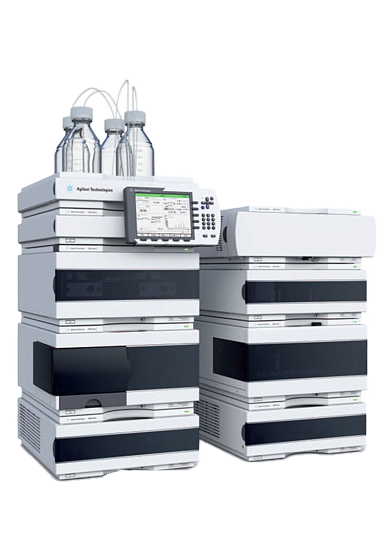
- Instruments like PCR machines, HPLCs, centrifuges, cryogenic freezers, and automation systems may no longer be needed
- Surplus inventory piles up leaving liquidation or resale the most efficient way to recover capital
For many companies, regular liquidation is now built into operational planning — especially in evolving segments like gene therapy, diagnostics, synthetic biology, and bioprocessing.
The Secondary Market Has Become Extremely Strong
The market for used lab equipment, refurbished analytical instruments, and surplus biotech assets has exploded. Buyers are more comfortable than ever purchasing:
- Pre-owned HPLC systems
- GC/LC instruments
- Cell culture equipment
- Biosafety cabinets
- Mass spectrometers
- Liquid handlers and robotics
Because demand is so strong, labs know they can recover meaningful value through liquidation instead of letting equipment sit idle.
Lab Shutdowns and Consolidations Are More Common
Mergers, acquisitions, restructuring, and remote R&D strategies have made lab footprint reduction a normal occurrence. With consolidation comes:
- Bulk liquidation of lab equipment
- Sale of industrial and biotech assets
- Facility clean-outs and surplus recovery
Instead of storing unused equipment, companies now treat liquidation as routine asset management.
Supporting Sustainability and Circular Economy Goals
There’s increasing pressure across biotech, pharma, and industrial research to reduce waste and operate more sustainably. Selling used lab equipment:
- Keeps high-quality instruments out of landfills
- Extends the lifecycle of expensive devices
- Helps smaller labs access affordable, fully functional equipment
Liquidation directly supports the circular economy in scientific research.
Strategic capital recovery - it’s a practical strategy for financial efficiency, operational flexibility, and sustainable lab management. From early-stage startups to global pharma groups, organizations are leaning on biotech liquidation services, used lab equipment marketplaces, and asset recovery programs to stay competitive.
Contact ReBio to request a free valuation or asset audit at rebio.com
Let’s help you recover the maximum value from your equipment — so you can reinvest in what matters most
your science.