
Understanding University Surplus Equipment
Universities and research institutions generate surplus equipment throughout the academic lifecycle. Laboratory upgrades, grant-funded research purchases, faculty turnover, and campus consolidations all contribute to a steady flow of surplus university equipment. How this equipment is managed directly affects compliance, sustainability initiatives, space utilization, and cost recovery.
This guide explains how universities manage surplus equipment, with a focus on laboratory equipment, scientific instruments, research assets, and used lab equipment resale. It is written for university procurement teams, surplus property departments, lab managers, facilities staff, and buyers searching for university surplus equipment.
What Is Considered Surplus Equipment at a University?
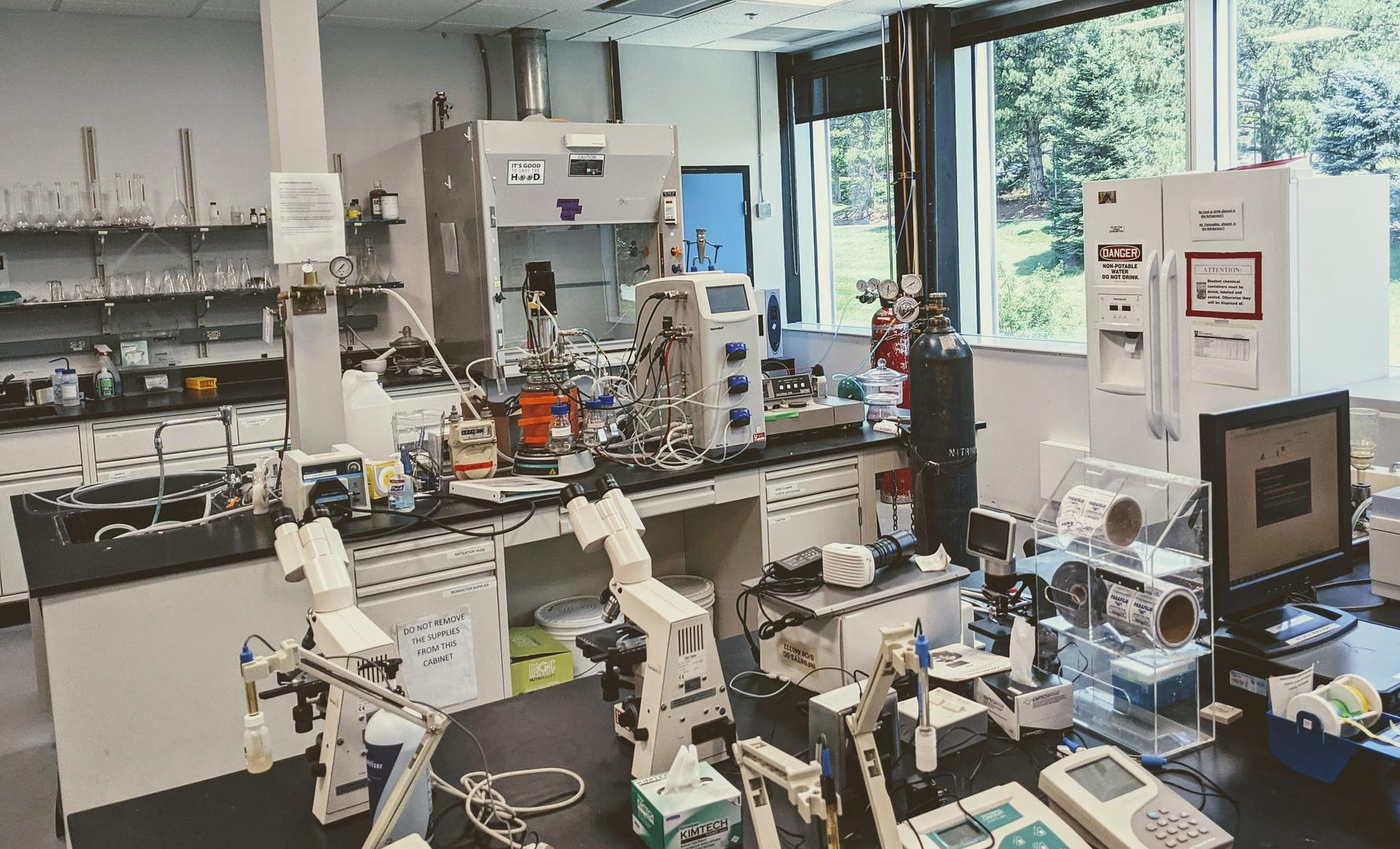
University equipment is typically declared surplus when it is no longer required for active teaching, research, or operational use. This often happens when labs upgrade to newer technology, when research grants expire, or when departments relocate or shut down. Faculty departures can also leave behind specialized scientific equipment without a clear internal use.
Common categories of surplus university assets include:
- Laboratory and scientific equipment
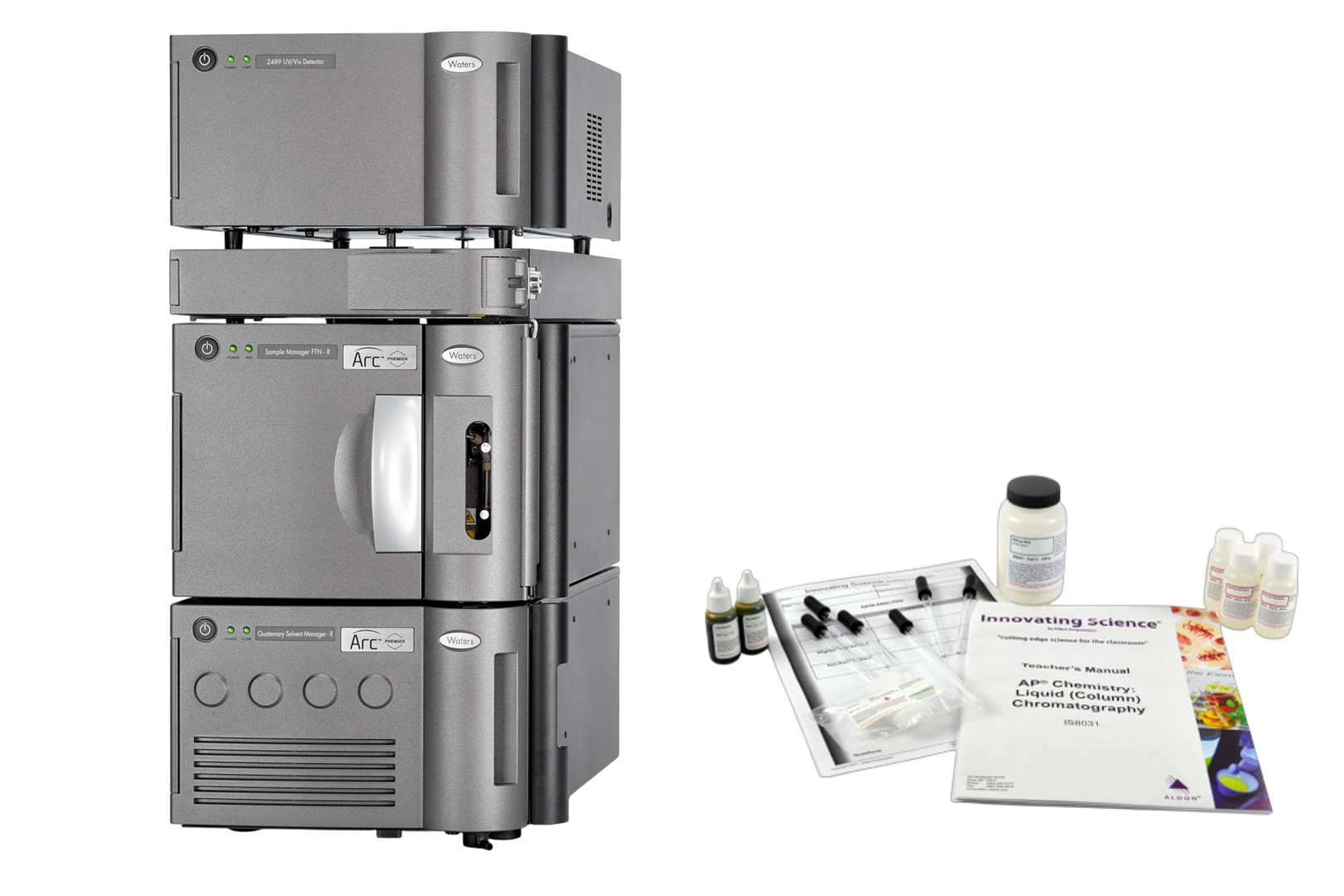
- Chromatography systems, HPLC, UHPLC, GC, and LC-MS
- Mass spectrometers and analytical instruments
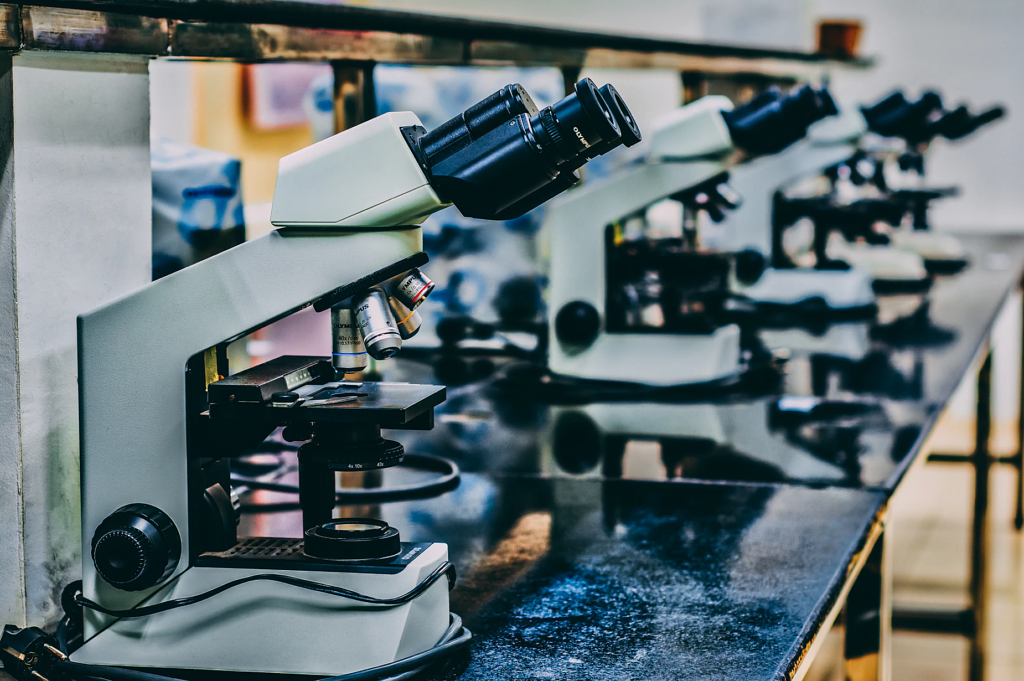
- Microscopes, imaging systems, and optical equipment
- Bioreactors, fermenters, and bioprocessing equipment
- IT hardware, servers, and data center equipment
These categories align closely with what buyers search for when looking for used laboratory equipment from universities.
Why Proper Surplus Equipment Management Matters
Managing surplus equipment is not simply about clearing space. Improper handling can lead to:
- Loss of resale or secondary market value
- Increased storage and facilities costs
- Environmental and sustainability challenges
- Data security and safety risks
- Non-compliance with grant or funding requirements
Strong university surplus management programs help institutions remain audit-ready, support sustainability goals, and maximize value recovery from surplus research equipment.
How Universities Typically Manage Surplus Equipment
Most universities follow a structured surplus process. The first step is often internal reuse, where departments are encouraged to redistribute usable equipment within the institution. This approach extends asset life and reduces unnecessary capital spending.
When internal transfer is not possible, equipment is routed through a centralized surplus property or asset management office. These offices are responsible for inventory tracking, asset tagging, compliance oversight, and determining the appropriate disposition method.
Common surplus handling methods include:
- Internal redistribution between departments
- Campus surplus stores or surplus warehouses
- Public surplus auctions or online surplus marketplaces
- Direct resale through specialized lab equipment vendors
Each method has different implications for speed, compliance, and recovery value.
Specialized Asset Recovery and Lab Equipment Resale
For high-value or technically complex equipment, many universities partner with laboratory equipment resale and asset recovery companies.
These specialists focus on used scientific equipment resale, handling:
- Equipment evaluation and fair market valuation
- Professional deinstallation and packing
- Climate-controlled storage for sensitive instruments
- Documentation for compliance and audit purposes
- Resale to academic, biotech, pharmaceutical, and industrial buyers
This approach is commonly used for chromatography systems, mass spectrometers, bioprocessing equipment, cleanroom tools, and analytical lab instruments, where proper handling directly affects resale price.
Grant-Funded and Federally Owned Equipment Considerations
Grant-funded equipment requires special attention in the surplus process. Assets purchased through NIH, NSF, DOE, or other federally funded research programs may be subject to ownership restrictions, sponsor approvals, and reporting obligations.
Universities must ensure:
- Proper documentation of funding source
- Approval before transfer or sale, when required
- Retention of records for audits and compliance reviews
Failure to follow these rules can result in audit findings or funding penalties.
Storage, Risk Management, and Sustainability
Surplus laboratory and biotech equipment often requires indoor or climate-controlled storage to protect sensitive electronics, optics, seals, and fluid pathways. Improper storage can reduce resale value and increase the risk of damage or contamination.
From a sustainability perspective, universities increasingly prioritize:
- Reuse and refurbishment before disposal
- Responsible recycling of electronics and metals
- Reducing landfill waste from surplus assets
These practices support institutional ESG goals while improving outcomes for university surplus equipment programs.
What Buyers Look for in University Surplus Equipment
Buyers sourcing used lab equipment from universities typically look for clear documentation and professional handling. Key factors include:
- Proper deinstallation and preparation
- Known storage conditions, including climate control
- Available service records or maintenance history
- Inclusion of accessories, software, and manuals
Universities that manage surplus equipment professionally tend to attract higher-quality buyers and achieve stronger resale results.
Practical Guidance for Universities and Buyers
Surplus equipment represents more than excess inventory. For universities, it is an opportunity to recover value, maintain compliance, and support sustainability initiatives. For buyers, university surplus equipment can be a reliable source of well-maintained laboratory and research instruments.
A structured, transparent approach to university surplus equipment management and lab equipment resale benefits both sides of the transaction and ensures research assets continue to deliver value beyond their original use.
Strategic capital recovery - it’s a practical strategy for financial efficiency, operational flexibility, and sustainable lab management. From early-stage startups to global pharma groups, organizations are leaning on biotech liquidation services, used lab equipment marketplaces, and asset recovery programs to stay competitive.
Contact ReBio to request a free valuation or asset audit at rebio.com
Let’s help you recover the maximum value from your equipment — so you can reinvest in what matters most
your science.