
Why Multi-User Lab Equipment Requires Structured Management
Multi-user lab equipment is standard in university laboratories, research institutions, biotech companies, and pharmaceutical facilities. High-value instruments such as HPLC systems, mass spectrometers, microscopes, bioreactors, and lab automation platforms are often shared to control costs and improve utilization. Without clear policies, however, shared laboratory equipment can quickly become a source of downtime, user conflict, and inconsistent data quality.
This guide outlines best practices for managing multi-user lab equipment, written for lab managers, core facility directors, principal investigators, facilities teams, and procurement staff. It is designed to support both daily operation and long-term laboratory equipment lifecycle management.
What Is Multi-User Lab Equipment?
Multi-user laboratory equipment refers to instruments and systems accessed by multiple users, research groups, or departments. These assets are typically centralized because of their cost, footprint, or specialized capabilities and are often housed in shared labs or core facilities.
Common examples of shared lab equipment include chromatography systems, HPLC and UHPLC instruments, LC-MS and Triple Quadrupole mass spectrometry systems, microscopy and imaging platforms, bioprocessing equipment, and laboratory automation systems. Because these instruments support diverse workflows, consistent equipment management is essential.

Why Managing Shared Lab Equipment Matters
Effective management of shared lab equipment is critical in universities, research institutions, and biotech environments where high-value instruments are used by multiple teams. Poor coordination can lead to increased downtime, inconsistent results, and premature wear on laboratory equipment such as HPLC systems, mass spectrometers, chromatography systems, and advanced microscopy platforms.
In multi-user labs, instruments like LC-MS/MS systems, GE AKTA chromatography units, WATERS HPLC modules, and fluorescence microscopes often operate at high utilization rates. Without clear governance, scheduling, and accountability, these systems become bottlenecks rather than productivity enablers.
Strong multi-user lab equipment management improves data reliability, extends instrument lifespan, and ensures that shared resources continue to support teaching, research, and grant-funded projects.
Establish Clear Access and Scheduling Policies
Access control is one of the most common challenges in multi-user lab environments. Without structure, high-demand instruments quickly become bottlenecks.
Many labs rely on:
- Centralized scheduling or booking systems
- Defined usage windows and cancellation rules
- Priority access for trained or approved users
Clear scheduling policies promote fairness, reduce disputes, and provide insight into equipment utilization trends.
Standardize Training and User Certification
Inconsistent training is a leading cause of damage to shared laboratory equipment. Every user should receive the same level of instruction before independent access is granted.
Effective lab equipment training programs often include formal onboarding, hands-on demonstrations, documented standard operating procedures (SOPs), and refresher training for infrequent users. Standardization protects both instrument performance and experimental reproducibility.
Define Maintenance and Cleaning Responsibilities
When responsibility is shared, accountability can be unclear. Assigning ownership is critical for multi-user lab equipment management.
Best practices include:
- Designating a primary system owner or equipment manager
- Documenting routine maintenance and cleaning procedures
- Logging usage, issues, and service events
Clear maintenance ownership reduces downtime and extends the lifespan of laboratory instruments.
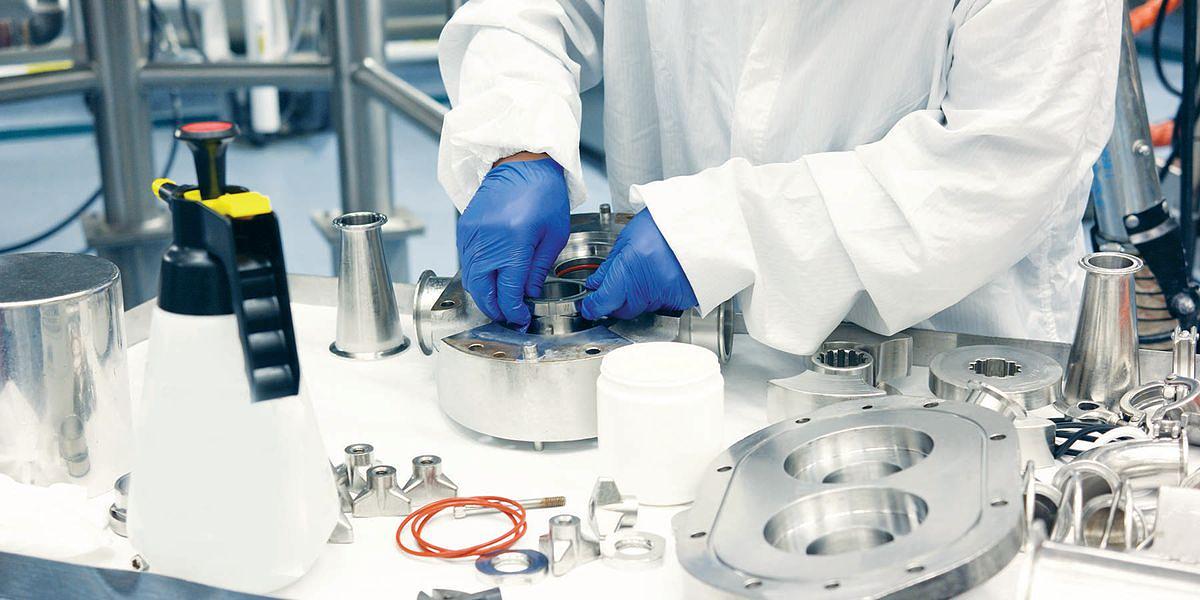
Usage Tracking and Cost Recovery
Accurate usage tracking is essential for managing shared laboratory equipment and supporting fair cost recovery models. In core facilities, instruments such as mass spectrometers, chromatography systems, NMR instruments, and imaging platforms are frequently billed by time, sample volume, or run count.
Tracking utilization on systems like triple quadrupole LC-MS instruments, HPLC systems, and automated sample preparation platforms helps justify maintenance budgets, service contracts, and future capital purchases. Digital logs and scheduling software also provide visibility into demand patterns and underutilized assets.
Cost recovery programs ensure that high-value lab equipment remains financially sustainable while encouraging responsible use across departments and research groups..
Protect Data, Samples, and Instrument Settings
In multi-user laboratory environments, protecting research data, samples, and instrument settings is just as important as maintaining the physical equipment. Instruments such as LC-MS systems, HPLC platforms, chromatography systems, and automated analyzers rely on precise configurations to generate reproducible results.
Unauthorized changes to methods or software settings on platforms like Sciex triple quadrupole mass spectrometers, WATERS Alliance HPLC systems, and GE AKTA chromatography instruments can compromise data integrity and disrupt ongoing research. User-level access controls, locked method libraries, and standardized data storage practices help prevent these issues.
Strong data protection protocols support regulatory compliance, publication quality, and long-term research continuity in both academic and regulated laboratory settings.
Planning for Wear, Downtime, and Replacement
High utilization accelerates wear on shared lab equipment, making proactive lifecycle planning essential. Instruments such as chromatography systems, mass spectrometers, robotic liquid handlers, and sample preparation systems experience predictable performance decline over time.
Tracking service history and run counts on systems like WATERS 2695 Alliance HPLC modules, GE AKTA chromatography platforms, and LC-MS/MS instruments allows lab managers to anticipate maintenance needs and plan for downtime. Preventive maintenance minimizes disruptions and protects research timelines.
Long-term replacement planning also ensures smoother transitions when upgrading or retiring aging laboratory instruments, maximizing return on investment and reducing unexpected capital expenses.
Centralized vs. Decentralized Equipment Models
Universities and research organizations often choose between centralized core facilities and decentralized equipment ownership when managing shared laboratory instruments. Centralized models are common for high-cost systems such as mass spectrometers, NMR systems, advanced microscopy platforms, and chromatography systems.
Housing equipment like LC-MS instruments, HPLC systems, and flash chromatography units in centralized facilities improves utilization, simplifies maintenance, and reduces redundant purchases. Central oversight also strengthens scheduling, compliance, and asset tracking.
Decentralized models offer convenience and rapid access for specialized research groups but may increase duplication and maintenance variability. Many institutions adopt hybrid models to balance accessibility with efficient laboratory equipment management.
Practical Guidance for Shared Lab Environments
Effective management of multi-user lab equipment requires a balance of policy, training, accountability, and planning. When implemented correctly, shared laboratory equipment increases access to advanced technology, improves collaboration, and protects long-term equipment value.
For universities, research institutions, and biotech organizations, strong shared lab equipment management supports scientific productivity while extending the useful life of critical laboratory assets.
Learn how universities and research institutions responsibly handle surplus laboratory equipment, from redeployment to resale and long-term storage.
Contact ReBio to request a free valuation or asset audit at rebio.com
Let’s help you recover the maximum value from your equipment — so you can reinvest in what matters most
your science.